Eelgrass Care (Zostera marina)

Also known as: seawrack
Eelgrass

About Eelgrass

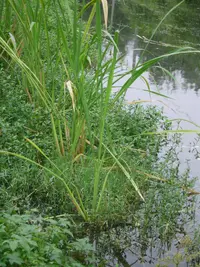
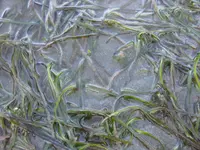
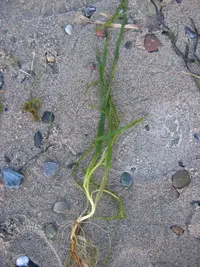
Eelgrass (Zostera marina) is a submerged marine flowering plant that forms dense underwater meadows in shallow, coastal waters. It has long, ribbon-like green leaves that sway with currents and anchor into sandy or muddy seabeds with creeping rhizomes.

This species is native to temperate coasts of the North Atlantic and North Pacific, where it stabilizes sediments and provides habitat for many marine animals. It is sensitive to water quality, temperature shifts, and physical disturbance, which makes it challenging to cultivate outside suitable marine systems.

In aquaria or restoration projects, it prefers clear, cool, well-oxygenated seawater and stable substrate. Understanding how to care for Eelgrass requires attention to salinity, light penetration, and minimal pollution.

Main Plant Requirements

Care Difficulty

Hard Care

Light Preference

Full Sun

Water Requirements

Aquatic

Temperature Preference

Cool Climate

Hardiness Zone

3–9

Soil Texture

Sandy, Silty, Organic-rich

Soil pH

Slightly alkaline (7.0–7.5), Alkaline (7.5–8.5)

Soil Drainage

Waterlogged tolerant

Fertilization

Minimal (feed rarely)

Get Personalized Care Plan

Scan your plant to receive care tips personalized for your specific plant

Available on iOS and Android

How to Care for the Eelgrass

Zostera marina is a submerged marine plant that depends on strong, consistent light reaching the seafloor for healthy growth.

  • Aim for clear water conditions that allow at least 6–8 hours of direct, unobstructed sunlight to penetrate to the leaf canopy each day.
  • The plant tolerates slight turbidity or partial shade, but prolonged light reduction below about 20–25% of surface light leads to thinner leaves and declining shoots.
  • Excessive shading from algae blooms or suspended sediments, especially in late spring–summer, often causes leaf yellowing and bed recession over several weeks.

This seagrass grows fully submerged in coastal marine water and relies on stable water conditions rather than intermittent watering.

  • Zostera marina requires continuous submersion in gently moving, well-oxygenated seawater, not intermittent wetting and drying like many marsh plants.
  • Healthy shoots occur where sediments stay moist but not anoxic; black, foul-smelling mud around roots indicates oxygen-poor conditions and functional overwatering.
  • Leaf tips browning and slow growth often indicate poor water quality or salinity shifts, while rapid leaf collapse and slimy rhizomes suggest severe stagnation and sulfide buildup.

This seagrass is adapted to cool temperate waters and reacts strongly to both excessive cold and heat.

  • Optimal growth usually occurs around 50–68°F (10–20°C), where leaves maintain firm texture and steady elongation.
  • The plant tolerates winter water down to about 28–32°F (-2–0°C) if icing is brief, but prolonged freezing or ice scouring can remove whole beds.
  • Sustained summer temperatures above 77–82°F (25–28°C) often cause stress, seen as leaf wasting lesions, reduced new shoots, and increased vulnerability to disease.

This submerged marine plant does not rely on air humidity, as leaves remain fully underwater in 100% water saturation.

This seagrass anchors in soft marine sediments rather than typical garden soil.

  • Use fine to medium marine sand mixed with some silt and decayed plant material to mimic natural subtidal beds.
  • Maintain fully submerged conditions in clean, aerated saltwater; the sediment should be soft, not compacted, so roots can penetrate easily.
  • Aim for slightly alkaline conditions, roughly matching coastal seawater pH 7.8–8.3 rather than trying to adjust with terrestrial soil amendments.
  • Avoid gravelly, fast-shifting, or polluted substrates, as unstable or contaminated sediment prevents secure anchoring and weakens Zostera marina stands.

This species is only moderately suitable for container culture, usually for research, restoration trials, or specialized aquatic setups.

  • Choose wide, shallow, heavy containers that resist tipping and allow rhizomes to spread horizontally under the sediment layer.
  • Add a perforated inner tray above the sediment so water flow can circulate without washing out the substrate around the shoots.
  • Position containers where water currents are gentle but continuous, reducing sediment erosion while still supplying oxygenated seawater around the roots.

Zostera marina in natural or well-managed aquatic systems usually needs no added fertilizer if water nutrients are adequate.

Zostera marina generally needs only minimal pruning, focused on maintaining bed health rather than shaping.

  • Inspect beds in late winter or early spring when water is clearest and growth is slower.
  • Remove loose, decaying, or mechanically damaged leaves to reduce rot and improve light penetration.
  • Cut leaves close to the base using clean aquatic shears, avoiding disturbance of rhizomes and sediment.
  • Limit pruning to small sections to maintain bed structure and habitat value.

Zostera marina is usually managed by transplanting shoots or sods in the field rather than traditional repotting.

  • Plan transplanting in cooler seasons, typically spring or fall, to reduce heat stress and desiccation.
  • Select healthy shoots with intact rhizomes and roots; avoid plants with extensive decay or epiphyte buildup.
  • Move clumps with surrounding sediment attached, keeping roots submerged and shaded during handling.
  • Replant at the same depth and spacing as the donor bed, then minimize disturbance while plants re-establish.

Propagation of Zostera marina is specialized and usually done for restoration projects rather than home cultivation.

  • Use vegetative division of rhizomes with multiple shoots as the primary method for reliable establishment.
  • Carry out division in cool seasons, keeping all material continuously submerged in clean, aerated seawater.
  • Plant divided units into similar sediment type and water depth as the source bed for best survival.
  • Seed-based methods require controlled conditions, including stable salinity and gentle water movement, to support germination.

Established Zostera marina beds in suitable coastal waters are cold hardy and generally need no special winter care from the grower.

  • Allow natural dieback of older leaves while rhizomes remain dormant in sediment through colder months.
  • Avoid dredging, anchoring, or heavy traffic over beds in winter when recovery from disturbance is slower.
  • Container or experimental cultures should remain in temperature-appropriate, aerated seawater to prevent freezing of the root zone.

Care Tips

Anchor Substrate Securely

Use mesh trays or shallow boxes filled with washed sand or fine sediment and gently thread rhizomes through the mesh so currents and waves do not dislodge new transplants.

Staggered Bed Planting

Arrange plant units in an offset grid pattern with 20–30 cm spacing so that as shoots spread they knit into a more stable meadow that better resists erosion and storm disturbance.

Protect From Grazers

In areas with heavy waterfowl or turtle pressure, install low, wide mesh exclosures around new plantings for the first 1–2 growing seasons to prevent grazing damage while the bed establishes.

Minimize Sediment Shock

During transplanting, keep roots and attached sediment submerged in clean seawater and avoid shaking off native sediment so the plants retain their associated microbes and experience less stress.

Monitor Water Clarity

Use a simple Secchi disk or marked white plate to track underwater visibility over time, since consistently poor clarity signals that reducing turbidity sources is essential for successfully growing Eelgrass.

Common Pests and Diseases

Wasting disease

This disease causes dark, elongated lesions on the leaves that expand into clear, necrotic patches, eventually leading to leaf disintegration and shoot loss. Symptoms include thinning meadows and reduced shoot density in affected areas.

Solution

Remove and dispose of heavily affected leaf material during monitoring or restoration work, and avoid transplanting from diseased beds. Reduce additional stressors such as physical disturbance and poor water quality, and source planting stock from healthy, disease-free populations as part of Zostera marina plant care.

Labyrinthula infection

This disease is caused by Labyrinthula zosterae, a marine protist that colonizes leaf tissues and disrupts photosynthesis. Symptoms include grey-green streaks or patches that spread along leaves and weaken entire shoots.

Solution

Limit spread by avoiding movement of contaminated sediment, gear, or plant material between sites, and disinfect tools and equipment with appropriate saline-safe disinfectants. Support meadow resilience through good site selection with suitable salinity, light, and low pollution, and avoid working in beds during peak outbreak periods when possible.

Epiphytic algal overgrowth

This problem occurs when filamentous algae and microalgae heavily colonize leaf surfaces, blocking light and reducing photosynthesis. Symptoms include leaves coated in green or brown films or tufts, often associated with nutrient-enriched waters.

Solution

Manage by reducing nutrient inputs at the site scale, such as controlling runoff and avoiding fertilizer discharge near eelgrass habitats. During small-scale culture or restoration work, gently rinse leaves in clean seawater to remove excess algae and maintain adequate water flow to prevent stagnant conditions.

Burrowing invertebrate damage

These animals, including some polychaete worms and small crustaceans, disturb eelgrass rhizomes and roots while burrowing in the sediment. Symptoms include uprooted shoots, exposed rhizomes, and localized bare patches in the meadow.

Solution

In restoration or nursery settings, use sediment with stable grain size and avoid overstocking areas where burrowers concentrate. Where feasible, install temporary protective mesh or anchors around new plantings to stabilize sediments and allow rhizomes to establish before natural fauna access the plots fully.

Herbivory by waterfowl

These animals, such as brant geese and some ducks, graze on shoots and rhizomes, sometimes creating noticeable bare or clipped patches. Symptoms include uniformly shortened leaves and missing shoots in shallow areas used by feeding flocks.

Solution

Protect vulnerable or newly restored beds with seasonal exclosures such as low mesh fencing or netting in shallow water to limit access while plants establish. Plan restoration timing to avoid peak grazing seasons, and spread plantings over a wider area to reduce concentrated grazing pressure on any single patch when growing Eelgrass.

Interesting Facts

Foundation coastal engineer

Dense meadows of this species reduce wave energy and stabilize coastal sediments, which helps protect shorelines from erosion and improves water clarity by trapping suspended particles.

Nursery for marine life

Its underwater meadows provide critical nursery habitat for juvenile fish, shellfish, and invertebrates, including commercially important species such as cod and scallops in parts of its range.

Oxygen and carbon hotspot

Through photosynthesis, this plant releases oxygen directly into coastal waters and stores substantial amounts of organic carbon in its leaves, roots, and underlying sediments, making it an important natural carbon sink.

Botan icon

Did you know?

This marine angiosperm is one of the few flowering plants that has fully adapted to life submerged in seawater, producing filamentous underwater pollen that can travel with currents to pollinate flowers without ever emerging above the surface.

FAQs about Eelgrass

Growth is moderate to fast when light, water movement, and nutrients are adequate. New leaves can appear within weeks, and meadows may expand several cm per month through rhizome extension under stable, unpolluted marine conditions.

Grow Healthy Plants with Botan Care

Keep your plants happy and healthy with plant identification, disease detection, and easy care guidance.

Botan plant care app — identify plants on mobile

Explore More Plants