Zostera novazelandica Care

Zostera novazelandica

About Zostera novazelandica

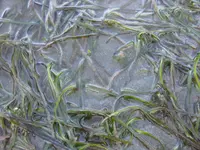
Zostera novazelandica is a small, marine seagrass that forms low, dense meadows in shallow coastal waters. It has narrow, ribbon-like leaves that sway with tides and currents.

This species is native to New Zealand and nearby regions, where it stabilizes sediments and provides habitat for fish and invertebrates. It is sensitive to water quality, turbidity, and physical disturbance, which makes it challenging to cultivate away from natural shorelines.

Understanding how to care for Zostera novazelandica requires attention to stable salinity, clean, well-oxygenated water, and a sandy or muddy substrate that allows its rhizomes to spread.

Main Plant Requirements

Care Difficulty

Hard Care

Light Preference

Full Sun

Water Requirements

Aquatic

Temperature Preference

Cool Climate

Hardiness Zone

8–11

Soil Texture

Sandy, Silty, Organic-rich

Soil pH

Slightly acidic (6.5–7.0), Neutral (7.0)

Soil Drainage

Waterlogged tolerant

Fertilization

Minimal (feed rarely)

Get Personalized Care Plan

Scan your plant to receive care tips personalized for your specific plant

Available on iOS and Android

How to Care for the Zostera novazelandica

This seagrass thrives in clear, shallow coastal water with consistent, moderate light.

  • Provide 6–8 hours of unobstructed natural light in water depths where light still penetrates to the sediment surface.
  • Allow some protection from intense midday summer sun; slightly deeper placement or light turbidity can prevent leaf bleaching and stress.
  • Monitor for elongated, pale leaves as a sign of insufficient light; Zostera novazelandica forms denser, shorter shoots under stronger but not scorching light.

This marine species requires stable, fully submerged conditions in clean, flowing seawater.

  • Maintain constant submersion in saline water; exposed, drying sediment or fluctuating water levels quickly damage roots and leaves.
  • Ensure gentle water movement to supply oxygen and remove waste; stagnant water encourages algal films that smother blades and reduce light.
  • Watch for black, foul-smelling sediment and decaying leaves as signs of poor water quality, and thinning, pale shoots as indicators of stress from altered salinity.

This temperate seagrass prefers cool to mild marine temperatures with limited extremes.

  • Aim for 50–68°F (10–20°C) for steady growth; shoot production slows notably outside this band.
  • Tolerate brief drops to about 41°F (5°C), but prolonged lower temperatures and any ice formation damage leaves and rhizomes.
  • Avoid sustained temperatures above 77°F (25°C); warm, still water combined with high nutrients increases disease, epiphyte growth, and plant decline.

This submerged seagrass does not have conventional air-humidity needs, as its leaves must remain fully underwater.

  • Keep shoots continuously submerged in clean, gently flowing water with stable temperature rather than managing room air humidity.
  • Avoid situations where water level drops and exposes leaves, which quickly leads to desiccation and tissue collapse.
  • If grown in tanks or raceways, cover the surface to limit evaporation and salinity spikes that mimic extreme low humidity stress.

This species roots in soft, submerged sediment rather than typical potting soil, so substrate texture and chemistry are critical.

  • Use fine to medium sand mixed with 20–30% well-decomposed organic matter to mimic natural soft estuarine or coastal sediments.
  • Maintain slow water movement through the sediment so it stays anoxic only in deeper layers while upper layers remain loosely packed and penetrable by roots.
  • Keep pH slightly alkaline, around 7.5–8.2, and avoid strongly acidic or nutrient-rich freshwater substrates that encourage algae and smothering biofilms.
  • Do not use dense clay, peat-heavy mixes, or gravel-only beds, as these restrict root penetration, trap toxic gases, or fail to anchor plants securely.

This marine seagrass is generally unsuitable for conventional containers and is best grown in dedicated shallow tanks or managed coastal beds.

In natural coastal settings, Zostera novazelandica usually needs no added fertilizer if water quality is good.

Pruning needs in this seagrass are minimal and mostly relate to habitat management rather than plant health.

Transplanting is mainly relevant for restoration projects or scientific culture rather than home growing.

  • Transplant in mild seasons when water temperatures are stable and not at summer or winter extremes.
  • Move plants when shoots are established but before dense root mats form, to limit disturbance.
  • Lift sections with intact sediment around the roots to maintain root–rhizome contact and reduce shock.
  • Replant at the same depth and spacing as the original bed, keeping leaves upright in the water flow.

Propagation of this seagrass is specialized and typically limited to scientific and restoration work.

In native coastal waters this species is naturally adapted to seasonal temperature shifts and needs no special winter care.

Care Tips

Substrate Stabilization

Use a 5–10 cm layer of clean, well-washed marine sand over any planting trays or mesh so rhizomes stay anchored and leaves remain upright in moderate currents.

Flow Management

Position plants where water flow is steady but not turbulent, using baffles, rocks, or tank décor to break strong currents that can uproot shoots or damage blades.

Rhizome Spacing

Plant rhizomes in shallow, staggered rows with 5–8 cm between growing points to reduce competition and promote dense but healthy meadow formation over time.

Sediment Monitoring

Check sediment for organic buildup every 2–3 months and gently siphon excess detritus so oxygen can penetrate the root zone and reduce anaerobic rot.

Algae Control Strategy

Limit nutrients and light spillover and manually remove filamentous algae from leaf blades to maintain photosynthetic efficiency when caring for Zostera novazelandica.

Common Pests and Diseases

Wasting disease

This disease causes leaf tissue to develop brown or black streaks and holes that gradually expand, leading to thinning and loss of shoots across the meadow.

Solution

Remove and dispose of heavily affected shoots where practical, avoid adding any organic pollutants or nutrients to the water, and monitor for changes in water quality; in managed systems, reduce physical stress (trampling, boating) so remaining healthy plants can recover and recolonize. Regularly surveying the bed helps detect early spread and guides whether sections should be left fallow to allow natural regeneration.

Seagrass leaf blight

This disease leads to discrete dark lesions on blades that may coalesce, causing sections of the leaf to die back and fragment.

Solution

Limit additional nutrient inputs into the habitat, reduce sediment disturbance that can favor pathogenic microbes, and remove loose, heavily blighted debris from shallow areas where possible to lower inoculum levels. Maintaining good water circulation and light penetration supports stronger growth, which helps plants tolerate and outgrow minor infections as part of broader Zostera novazelandica care instructions.

Epiphytic algal overgrowth

This condition develops when fine filamentous algae and microalgae accumulate on leaf surfaces, shading blades and reducing photosynthesis.

Solution

Reduce nutrient enrichment from nearby runoff or aquaria inputs, improve water movement, and gently clear excess algae from leaves and surrounding structures where hands-on management is possible. Ensuring adequate light and moderate flow helps keep algal films thin so the seagrass can maintain normal gas exchange and growth.

Grazing by amphipods and isopods

These small crustaceans can chew on leaf margins and surfaces, leaving irregular notches and a ragged appearance that weakens the plants if grazing is intense.

Solution

Encourage or maintain natural predators such as small fish in outdoor or mesocosm systems, and limit dense accumulations of drift algae or detritus that shelter grazers. In contained setups, gently siphon or net out excess herbivorous invertebrates and avoid overfeeding fish, which can indirectly support high grazer populations.

Burrowing invertebrate damage

This problem arises when burrowing worms or bivalves disturb or uproot rhizomes and shoots, creating gaps and reducing meadow stability.

Solution

Minimize mechanical disturbance of sediments and avoid activities that greatly alter sediment grain size or organic loading, which can favor problematic burrowers. In small managed plots, carefully re-anchor loosened shoots into stable substrate and, if feasible, thin out excessive large burrowers so the rhizome network can re-establish secure rooting.

Interesting Facts

New Zealand seagrass endemic

This eelgrass species is naturally found only in New Zealand’s coastal waters and estuaries, making it an endemic component of that country’s marine flora.

Foundation estuary species

Its meadows trap fine sediments, stabilize soft estuary bottoms, and provide habitat and nursery grounds for local fish, crabs, and shellfish in sheltered bays and tidal flats.

Sensitivity to disturbance

This species is particularly vulnerable to increased turbidity, sedimentation, and physical disturbance from coastal development and shellfish harvesting, and local losses have been documented where water quality declines.

Botan icon

Did you know?

Genetic studies suggest that New Zealand’s native seagrass lineage, including this species, has been isolated long enough from Northern Hemisphere eelgrasses to be considered evolutionarily distinct, making its conservation important for global seagrass genetic diversity.

FAQs about Zostera novazelandica

This seagrass spreads moderately, extending rhizomes a few cm per year under stable, clean, shallow coastal water. Growth slows with low light, excessive sediment, or pollution. Disturbance, such as anchoring and trampling, can significantly reduce expansion rates.

Grow Healthy Plants with Botan Care

Keep your plants happy and healthy with plant identification, disease detection, and easy care guidance.

Botan plant care app — identify plants on mobile

Explore More Plants