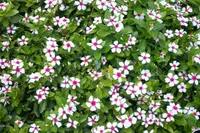
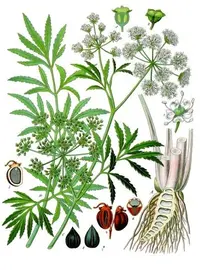
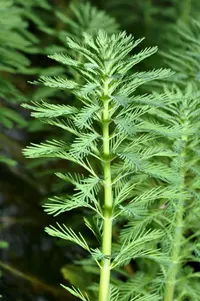
ditch stonecrop Care (Penthorum sedoides)

ditch stonecrop

About ditch stonecrop

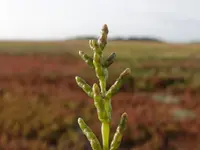
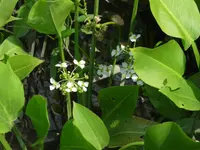
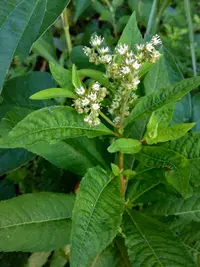
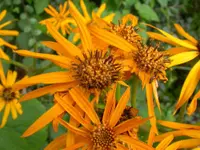
Ditch stonecrop (Penthorum sedoides) is a hardy, moisture-loving perennial often found along ditches, pond edges, and wet meadows in North America. It forms low, branched clumps with narrow green leaves and small star-like flower clusters that mature into reddish, cone-shaped seed heads. The plant has a naturally informal, wild look that suits rain gardens and naturalized water margins. It tolerates fluctuating water levels and poor drainage, which makes it useful in wet problem spots. In general, it prefers full sun to light shade and consistently moist, organic soil. Understanding how to care for ditch stonecrop starts with providing a stable, damp site rather than dry, exposed conditions.

Main Plant Requirements

Care Difficulty

Easy Care

Light Preference

Full Sun

Water Requirements

Aquatic

Temperature Preference

Cold Hardy

Hardiness Zone

4–9

Soil Texture

Loamy, Silty, Organic-rich

Soil pH

Acidic (5.5–6.5), Slightly acidic (6.5–7.0)

Soil Drainage

Waterlogged tolerant

Fertilization

Minimal (feed rarely)

Get Personalized Care Plan

Scan your plant to receive care tips personalized for your specific plant

Available on iOS and Android

How to Care for the ditch stonecrop

This wetland perennial prefers steady sun exposure with some protection from harsh heat.

  • Provide 4–6 hours of direct morning sun plus bright light the rest of the day; light afternoon shade is ideal in hot summers.
  • Tolerates partial shade (2–4 hours sun), but stems may stretch and flowering of ditch stonecrop can decrease in denser shade.
  • In full, exposed afternoon sun, watch for leaf scorch or bleaching and use nearby plants or light shade cloth to diffuse light in midsummer.

This species thrives in consistently moist to saturated conditions and dislikes drying out.

  • Keep soil constantly moist; do not allow more than the top 1–2 cm to dry before watering, especially in sandy or fast-draining sites.
  • In spring and summer, water whenever surface sheen fades and soil feels damp but not dry; in heavy clay, use slow, deep watering to avoid surface puddling.
  • In cooler fall weather, reduce added water slightly but never let Penthorum sedoides sit in cracked, dry soil; wilting or crisp leaf edges indicate underwatering.

This hardy wetland plant tolerates a wide temperature range but grows fastest in moderate warmth.

  • Active growth is strongest around 65–80°F (18–27°C); stems elongate and foliage stays dense in this range.
  • Dormant crowns survive winter cold to about -20°F (-29°C) when planted in-ground with stable moisture and some natural mulch or leaf cover.
  • Summer heat up to 90–95°F (32–35°C) is tolerated if soil remains saturated or consistently moist; heat plus drying winds can cause leaf scorch and tip dieback.

This wetland species prefers consistently moist air but adapts to typical outdoor humidity in most regions.

  • Target ambient humidity around 50–80% to match its natural marshy habitat and reduce leaf edge browning.
  • Ditch stonecrop tolerates short periods of drier air if soil stays evenly moist and roots never dry out completely.
  • Humidity stress shows as curling, crisp leaf tips; increase humidity by grouping plants near water features or shallow trays of water.

This plant thrives in moist, organic-rich substrates that mimic stream banks and wet meadow edges.

  • Use a loamy mix with high organic content, such as 50% garden loam, 30% compost, 20% coarse sand for structure and moisture retention.
  • Aim for slow-draining yet aerated soil that stays damp but not stagnant, avoiding heavy compaction around the root zone.
  • Maintain slightly acidic to neutral pH (6.0–7.0), which supports nutrient uptake and healthy Penthorum sedoides growth.
  • In dry sites, add extra compost and a small amount of fine bark to improve water-holding capacity while preserving air spaces.

This species can be grown in containers if the setup allows consistently moist, almost boggy conditions.

  • Choose a deep, wide pot so the spreading root system has room while the upper layer stays evenly moist without frequent surface drying.
  • Use a heavy, stable container material like ceramic to keep the pot from tipping as stems elongate and the wet medium adds weight.
  • Select a container that can sit inside a shallow cache tray, allowing controlled water pooling at the base to maintain a saturated lower root zone without submerging the crown.

This native wetland perennial usually needs minimal feeding when grown in reasonably fertile soil.

  • If growth appears weak in poor soils, apply a balanced slow-release fertilizer (for example 10-10-10) at 1/2 strength in early spring.
  • Alternatively, top-dress with a thin layer of compost around the root zone once per year.
  • Avoid fertilizing ditch stonecrop in late fall or winter, when the plant is dormant and nutrient demand is low.

Pruning helps keep Penthorum sedoides compact and encourages fresh, vigorous growth.

  • Cut back dead or damaged stems in late winter or very early spring using clean, sharp hand pruners.
  • After flowering, remove spent flower stalks to maintain a tidy outline and reduce unwanted self-seeding.
  • Thin out congested stems at the base to improve air movement and reduce disease risk.
  • Avoid cutting into healthy green tissue during hot, dry weather to limit stress.

This species is most often grown in the ground, so care focuses on dividing and transplanting clumps rather than repotting.

  • Transplant or divide in early spring or early fall, when temperatures are mild and moisture is reliable.
  • Look for crowded clumps, reduced flowering, or stems shading each other as signs it needs more space.
  • Lift the clump carefully, keep roots moist, and tease apart sections with several shoots and healthy roots.
  • Replant divisions at the same depth, water thoroughly, and shade lightly for a few days to reduce transplant shock.

Penthorum sedoides is commonly propagated by division or seed for expanding plantings or restoring wet areas.

  • Divide mature clumps in early spring, keeping several buds and roots in each section, then replant promptly into moist soil.
  • Collect seeds in late summer to fall, then sow shallowly in trays kept consistently moist and cool to mimic natural conditions.
  • Provide bright, indirect light and steady moisture for divisions or seedlings to establish strong root systems.
  • Space young plants to allow airflow and reduce competition, improving long-term stand health.

This hardy perennial tolerates typical winters in much of its native range and usually needs little special attention.

  • In cold regions, allow stems to die back naturally, then cut them to ground level in late winter or early spring.
  • Apply a light mulch layer (2–5 cm) over the root zone after the ground cools to moderate freeze–thaw cycles.
  • For container-grown plants, move pots into a sheltered, unheated space to prevent roots from freezing solid.

Care Tips

Edge Containment

In garden beds near ponds or ditches, install a shallow plastic or metal edging 10–15 cm deep to keep spreading rhizomes from invading adjacent planting areas while still allowing a natural-looking colony.

Seasonal Cutback Management

In late winter or very early spring, cut back old stems to just above the crown and remove accumulated debris to reduce fungal disease pressure and allow strong new shoots to emerge cleanly.

Erosion-Control Planting

On gently sloped, periodically wet banks, plant in staggered rows 20–30 cm apart to create a dense root network that stabilizes soil and reduces erosion over time.

Moisture-Level Buffering

In sites that dry between rains, top-dress around the clump with 3–5 cm of fine shredded bark or leaf mold over the wet soil margin to slow evaporation while still keeping the root zone consistently moist.

Companion Selection

Combine it with other moisture-loving, non-invasive natives of similar height, such as soft rush or some sedges, to form a stable plant community that shades the soil surface and supports healthier, more resilient growth when growing ditch stonecrop.

Common Pests and Diseases

Rust

This disease causes small orange to rusty-brown pustules on leaves and stems, sometimes leading to early leaf drop in wet conditions. Symptoms include scattered spots that may coalesce on heavily infected foliage, especially in dense stands along ditches and pond margins.

Solution

Remove and discard heavily infected stems and fallen leaves to reduce spore spread, and avoid overhead watering in garden plantings of ditch stonecrop. Improve airflow by thinning crowded clumps, and if the problem recurs, use a sulfur or chlorothalonil-based fungicide labeled for ornamental perennials, applied according to label directions.

Leaf spot

This disease produces small brown to purplish spots on leaves, which can enlarge and merge under prolonged humidity. Symptoms include blemished foliage that looks tired or tattered by late summer in wet habitats.

Solution

Cut back and dispose of affected foliage to lower the amount of fungal inoculum, and water at soil level rather than on the leaves in cultivated beds. Increase spacing around plants, and if needed for persistent problems, use a broad-spectrum ornamental fungicide in early summer as a preventive measure for Penthorum sedoides care.

Aphids

These insects cluster on young shoots, stems, and the undersides of leaves, sucking sap and causing curling or distortion of new growth. This pest also excretes sticky honeydew that can support sooty mold on nearby surfaces.

Solution

Spray infested stems with a strong stream of water to dislodge colonies, and prune away heavily distorted tips. For continuing infestations, apply insecticidal soap or a neem oil product to the affected areas, repeating at 5–7 day intervals until populations are controlled, while conserving beneficial insects when possible.

Spider mites

These pests are tiny and often go unnoticed at first, but they cause stippled, pale leaves and fine webbing on stressed plants, especially in hot, dry spells. Symptoms include dull, speckled foliage that may eventually dry and drop.

Solution

Increase humidity around plants, hose down foliage thoroughly, and keep soil consistently moist but not waterlogged to reduce stress. For higher populations, use insecticidal soap or a horticultural oil labeled for mites, making sure to coat the undersides of leaves and repeating as needed according to label instructions.

Interesting Facts

Wetland edge specialist

This species naturally colonizes the shallow edges of ponds, ditches, and slow streams in eastern North America, forming dense stands that help stabilize soft, silty soils and reduce erosion along the waterline.

Two-story growth habit

Stems that are submerged or lie on wet mud often root at the nodes and produce upright shoots, allowing the plant to spread laterally while also sending up vertical flowering stems in late summer.

Starry cone flowers

The small, pale yellow flowers are arranged around a central cone, and as the season progresses the cone elongates and turns reddish, creating a star-like ring around a pointed seed column that is distinctive among wetland perennials.

Botan icon

Did you know?

This species is considered a facultative wetland plant in much of its range, meaning it occurs most often in wetlands but can also survive in periodically disturbed upland sites such as roadside ditches and compacted field margins when moisture conditions are suitable.

FAQs about ditch stonecrop

This species spreads steadily by rhizomes and self-seeding, forming patches along wet edges. It is not usually aggressive in managed gardens, but in ideal wet sites it can naturalize, so monitor and thin clumps if needed.

Grow Healthy Plants with Botan Care

Keep your plants happy and healthy with plant identification, disease detection, and easy care guidance.

Botan plant care app — identify plants on mobile

Explore More Plants