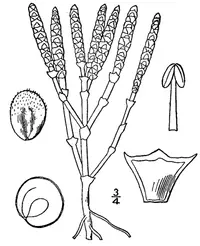
delta arrowhead Care (Sagittaria platyphylla)

Also known as: delta duck-potato, giant sagittaria, Sagittaria
delta arrowhead

About delta arrowhead

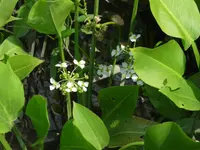
Sagittaria platyphylla, commonly called delta arrowhead, is an aquatic perennial often grown in ponds, water gardens, and aquariums. It forms clumps of upright, arrow-shaped leaves rising from underwater rhizomes.

In nature it occurs in slow-moving or still freshwater in the southern United States and parts of Mexico. It adapts well to shallow margins or fully submerged conditions.

The plant is considered relatively easy to grow when provided with consistent moisture and stable water conditions. Understanding how to care for delta arrowhead mainly involves managing water depth, nutrient levels, and avoiding strong water currents.

It prefers nutrient-rich, muddy or sandy substrates and does best with good light and clean, low-pollution water, which support steady, healthy growth.

Main Plant Requirements

Care Difficulty

Easy Care

Light Preference

Full Sun

Water Requirements

Aquatic

Temperature Preference

Warm Climate

Hardiness Zone

6–11

Soil Texture

Sandy, Loamy, Silty

Soil pH

Acidic (5.5–6.5), Slightly acidic (6.5–7.0)

Soil Drainage

Waterlogged tolerant

Fertilization

Minimal (feed rarely)

Get Personalized Care Plan

Scan your plant to receive care tips personalized for your specific plant

Available on iOS and Android

How to Care for the delta arrowhead

This aquatic plant prefers bright, direct sun in shallow water for strongest growth.

  • Provide 6–8 hours of full sun daily; morning and midday sun support dense, upright leaves and flowering in delta arrowhead.
  • Tolerates light afternoon shade in hot regions; partial shade (3–4 hours sun) reduces flowering and may lengthen leaf stalks.
  • In cooler months, ensure an open, unshaded position; in very hot summers, protect from intense late-afternoon sun to prevent leaf scorch.

This species is adapted to constantly wet conditions and should not be allowed to dry out.

  • Grow in shallow standing water or saturated soil; shore plantings should have water at or just above the crown most of the time.
  • If grown at pond margins, soil surface should never dry; leaves wilting or drooping between rains indicate insufficient moisture.
  • Yellowing, soft, collapsing leaves in warm conditions can signal stagnant, anaerobic substrate; improve water movement or reduce decomposing organic buildup.

This aquatic plant prefers warm conditions but survives short cool spells if protected from frost.

  • Optimal growth occurs around 70–82°F (21–28°C), with vigorous leaf and root development in stable, warm water.
  • Tolerates down to about 50°F (10°C) for short periods, but repeated exposure below this slows growth and can damage foliage.
  • Avoid frost and freezing; ice around crowns can kill plants, while water above 86°F (30°C) may stress leaves, so use some shade in very hot climates.

This aquatic species does not have strict air-humidity demands in typical home or outdoor conditions.

This species prefers saturated, organic-rich substrates rather than conventional potting soil.

  • Use a heavy loam or clay-loam rich in organic matter, avoiding light, peat-heavy mixes that float or shift easily.
  • Maintain constantly waterlogged conditions or shallow standing water so the root zone never dries out, especially for Sagittaria platyphylla.
  • Aim for slightly acidic to neutral pH around 6.0–7.5, using garden soil amended with compost instead of sterile, soilless media.
  • Avoid coarse, fast-draining sandy or perlite-heavy mixes that allow water to drain away from the roots.

This species is suitable for containers when grown as a marginal or pond plant.

  • Choose a wide, shallow, heavy container to stabilize the plant against water movement and prevent tipping as foliage enlarges.
  • Use a pot without drainage holes if it will sit inside a larger water feature, to keep the substrate fully submerged or saturated.
  • Top the soil with a 2–3 cm layer of rinsed gravel to anchor the substrate and reduce clouding of water when the container is disturbed.

Sagittaria platyphylla responds well to moderate, consistent nutrients rather than heavy feeding.

  • Use a balanced aquatic or general-purpose fertilizer (for example 10-10-10) or nutrient-rich compost mixed into the planting substrate.
  • During active growth in spring–summer, apply a diluted liquid fertilizer every 4–6 weeks or use slow-release tablets pressed into the soil.
  • Reduce or stop feeding in fall–winter when growth slows and the plant is partly dormant, especially in cooler water.
  • For delta arrowhead in containers, keep solutions at half label strength to avoid fertilizer burn in confined root zones.

Pruning Sagittaria platyphylla is mainly about hygiene and controlling spread rather than shaping.

  • Trim yellowing, dead, or damaged leaves at the base throughout the growing season to maintain water quality and plant health.
  • In late spring or early summer, thin crowded shoots to improve light penetration and water circulation around remaining foliage.
  • Remove spent flower stalks to reduce self-seeding if spread is not desired and to direct energy back into roots and leaves.
  • Use clean, sharp scissors or pruners, making smooth cuts just above the crown without tearing tissue.

This aquatic species is more often transplanted within ponds or water gardens than traditionally repotted.

  • Transplant or divide clumps every 2–3 years when growth becomes crowded, shoots lean outward, or roots densely fill baskets.
  • Choose spring or early summer, once water temperatures warm, to minimize transplant shock and encourage quick re-establishment.
  • Lift the plant gently, rinse off excess substrate, and tease apart roots, trimming only broken or rotten portions before replanting.
  • Replant into aquatic baskets with fresh, heavy loam, then submerge gradually and keep the crown just below the water surface to reduce stress.

Sagittaria platyphylla is commonly propagated by division and, less often, by seed in managed aquatic setups.

  • Divide mature clumps in spring when new growth emerges, separating sections with healthy roots and at least a few shoots.
  • Replant divisions into aquatic baskets filled with heavy loam, then submerge gradually in shallow water until new roots anchor.
  • For seed propagation, collect ripe seeds, sow them in trays of submerged, fine aquatic soil, and maintain stable, warm water.
  • Provide 6–8 hours of light and gentle water movement to limit algae and support strong early growth in young plants.

In many temperate areas this aquatic plant is fairly cold hardy and usually needs only minimal winter attention.

  • In zones with mild to moderate winters, allow foliage to die back naturally while roots overwinter in the pond bottom.
  • In colder regions, sink containers deeper so crowns stay below the ice line, where water remains more stable in temperature.
  • For small tubs, move baskets to a frost-free but cool indoor location, keeping crowns submerged in clean, aerated water.

Care Tips

Substrate Depth Control

Maintain a 5–10 cm layer of fine aquatic substrate so rhizomes stay anchored while new roots can spread without being buried too deep and rotting.

Leaf Height Management

Regularly trim the tallest emergent leaves to just above the waterline to keep the plant compact, improve light penetration to lower leaves, and reduce shading of neighboring aquatic plants.

Nutrient Tablet Placement

Push aquatic fertilizer tablets directly into the substrate 3–5 cm from the crown rather than right under it to feed roots efficiently and lower the risk of fertilizer burn or rot at the growing point.

Seasonal Thinning Routine

In late spring and late summer, selectively remove older, damaged, or very crowded rosettes to maintain good water flow around the plants and reduce habitat for algae and snails.

Quarantine And Rinse

Before adding new specimens, quarantine them in a separate container for 1–2 weeks and rinse thoroughly to limit transfer of snails, algae, and pathogens, which simplifies long-term caring for delta arrowhead in established tanks or ponds.

Common Pests and Diseases

Leaf miners

This pest tunnels inside submerged or emergent leaves, creating pale winding trails and thin patches that can weaken the foliage. Symptoms include slowed growth and leaves that yellow and break down sooner than usual.

Solution

Remove and discard heavily damaged leaves to reduce the larval population, and avoid leaving plant debris in the tank or pond. In aquaria, introduce compatible fish that eat insect larvae and maintain good plant nutrition so new healthy leaves replace damaged ones quickly.

Aquatic snails

These insects are not involved; instead, small aquatic snails feed on soft leaf tissue and young shoots, leaving ragged edges and holes in Sagittaria platyphylla leaves. This pest can build up quickly in nutrient-rich tanks and shallow ponds.

Solution

Manually remove visible snails, egg clutches, and heavily grazed leaves, and reduce overfeeding of fish to limit food sources. In closed systems, use snail traps or introduce snail-eating fish where appropriate, and rinse new plants before adding them to prevent re‑infestation.

Algal overgrowth

This disease is not caused by a pathogen but by excess algae coating leaves, blocking light and reducing photosynthesis. Symptoms include slimy green, brown, or filamentous growth on blades and petioles, and overall decline despite adequate nutrients.

Solution

Reduce light intensity or duration to about 8–10 hours, limit excess nutrients by moderating fish feeding, and perform regular partial water changes. Manually wipe or gently rub algae from leaves, increase water movement, and add fast‑growing competing plants or algae‑eating fish or shrimp when compatible with the setup.

Bacterial leaf blight

This disease causes translucent, water‑soaked patches on leaves that soon turn brown, sometimes with a yellow halo along the veins. Symptoms include rapid deterioration of affected blades and a general untidy appearance in dense stands.

Solution

Promptly trim and remove infected leaves to reduce bacterial load, and avoid overcrowding so water circulates freely through the foliage. Maintain stable water quality, avoid splashing contaminated water onto healthy plants when working in ponds or tanks, and disinfect tools between use if a blight episode occurs.

Crown melt

Symptoms include sudden collapse and disintegration of the rosette center, often after abrupt changes in water chemistry, temperature, or lighting. This physiological stress reaction leads to soft, decaying tissues at the crown while roots may remain partly viable.

Solution

Stabilize conditions by keeping temperature, pH, and hardness changes gradual, and avoid major pruning or replanting all at once. Remove decaying crown material to prevent fouling the water, keep moderate water flow around the plants, and allow time for healthy side shoots or new rosettes to form under stable conditions as part of Sagittaria platyphylla plant care.

Interesting Facts

Amphibious leaf strategy

This species produces two distinct leaf types: submerged leaves that are long and ribbon-like, and emergent leaves that are broad and arrow-shaped, allowing it to function efficiently under water and in air.

Specialized wetland rhizomes

It grows from thick rhizomes that store starch and help the plant survive fluctuating water levels, seasonal drying, and short-term disturbance in shallow freshwater habitats.

Seed dispersal by water

Its small, many-seeded fruits (achenes) are adapted to float and move with currents, which allows colonies to spread downstream and colonize new ditches, ponds, and slow-flowing streams.

Botan icon

Did you know?

This aquatic plant is native to the south-central United States but has naturalized in several other warm regions worldwide and is monitored in some areas as a potentially invasive species due to its ability to form dense stands in shallow water.

FAQs about delta arrowhead

Lack of flowering usually comes from insufficient light, water that is too shallow or deep, or poor nutrients. Ensure stable water depth, moderate nutrient levels, and adequate warmth so the plant can allocate energy to flower production.

Grow Healthy Plants with Botan Care

Keep your plants happy and healthy with plant identification, disease detection, and easy care guidance.

Botan plant care app — identify plants on mobile

Explore More Plants