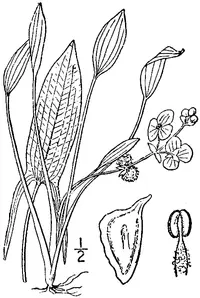
lawn marshpennywort Care (Hydrocotyle sibthorpioides)

Also known as: Sibthorp's Pennywort, Asiatic Pennywort, Lawn Pennywort, Water Pennywort
lawn marshpennywort

About lawn marshpennywort

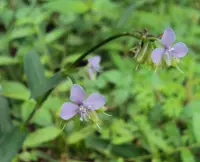
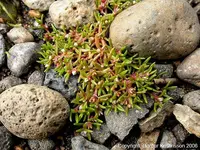
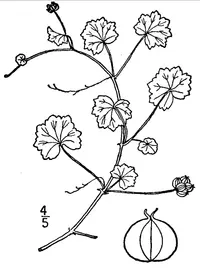
Lawn marshpennywort (Hydrocotyle sibthorpioides) is a low, creeping groundcover herb with tiny rounded leaves carried on fine stems that root as they spread. It often forms soft, dense mats that resemble a miniature clover lawn.

In nature it grows in moist lawns, ditches, and open grasslands across parts of Asia and has naturalized in some warmer regions worldwide. Its fast growth and ability to regrow from small fragments make it both useful as a living carpet and potentially weedy outdoors.

It prefers consistently moist soil, mild temperatures, and at least bright indirect light. These traits make it relatively easy to grow, but also mean it needs some attention to control spread and properly care for lawn marshpennywort.

Main Plant Requirements

Care Difficulty

Moderate Care

Light Preference

Partial Shade

Water Requirements

Keep Soil Moist

Temperature Preference

Warm Climate

Hardiness Zone

7–11

Soil Texture

Loamy, Silty, Organic-rich

Soil pH

Acidic (5.5–6.5), Slightly acidic (6.5–7.0)

Soil Drainage

Waterlogged tolerant

Fertilization

Light (every 4–6 weeks)

Get Personalized Care Plan

Scan your plant to receive care tips personalized for your specific plant

Available on iOS and Android

How to Care for the lawn marshpennywort

Hydrocotyle sibthorpioides thrives in bright, indirect light that mimics its natural groundcover habitat.

  • Aim for 3–5 hours of gentle morning sun with light shade or filtered light the rest of the day, especially in summer.
  • Provide partial shade (dappled light under shrubs or trees), as lawn marshpennywort scorches in strong midday or afternoon sun, especially above 80°F (27°C).
  • In cooler seasons, allow a bit more direct morning sun, but watch for pale, stretched leaves as a sign of insufficient light.

This creeping species prefers consistently moist conditions but declines in stagnant, airless soil.

  • Keep soil evenly moist so the surface looks dark and feels damp; do not allow the top 1–2 cm to stay dry for more than a day in active growth.
  • Use soil that drains slowly but does not form standing water; yellowing, mushy stems indicate overwatering and poor aeration.
  • In cooler months, reduce watering slightly, letting the upper 2–3 cm feel just barely moist while ensuring Hydrocotyle sibthorpioides never fully dries out.

This plant grows best in mild, frost-free conditions typical of temperate to warm climates.

  • Maintain ideal growing temperatures around 65–80°F (18–27°C), when spreading and leaf production are most vigorous.
  • Protect from cold; growth slows below 55°F (13°C) and foliage is damaged around 32°F (0°C), so cover or move plants before frost.
  • In hot weather above 90°F (32°C), provide shade and higher humidity; shallow, moist soil heats quickly and can stress roots if allowed to dry.

This creeping species prefers consistently moist air but adapts to typical home humidity.

  • Aim for 50–70% humidity to limit leaf edge browning and support steady growth.
  • In very dry indoor air, expect crisping tips and slower spread; increase watering attention without waterlogging roots.
  • Raise humidity locally with pebble trays under pots or by grouping lawn marshpennywort near other moisture-loving plants.

Hydrocotyle sibthorpioides prefers consistently moist, fine-textured, organic-rich soil that does not become stagnant.

  • Use a mix of 50–70% peat or coco coir with compost and 30–50% perlite or fine sand for moisture retention with aeration.
  • Target a slightly acidic to neutral pH around 6.0–7.0 for balanced nutrient availability.
  • Keep soil evenly damp but never soupy to avoid root rot and foul, anaerobic conditions.
  • Avoid heavy clay or compacted mixes; if soil feels dense, blend in more perlite or coarse sand to improve drainage channels.

This low, spreading species grows well in shallow containers when moisture is controlled carefully.

  • Choose wide, shallow pots to match the creeping habit and encourage dense surface coverage rather than deep root growth.
  • Use a container material like plastic or glazed ceramic if rapid drying has been a problem, as these retain moisture longer than terracotta.
  • Place pots in trays that allow quick runoff rather than standing water so the soil stays wet but oxygenated at the root zone.

Hydrocotyle sibthorpioides grows well with light feeding, especially in containers or poor soil.

  • Use a balanced liquid fertilizer (for example 10-10-10) diluted to 1⁄4–1⁄2 strength for lawn marshpennywort in pots or trays.
  • Feed every 4–6 weeks during the main growing season while plants are actively producing new leaves.
  • Skip or greatly reduce fertilizing in winter or when growth slows, especially under low light.
  • In rich garden soil, rely mainly on thin layers of compost rather than frequent synthetic fertilizer.

Hydrocotyle sibthorpioides benefits from light, frequent grooming to keep growth dense and tidy.

  • Trim back long, straggling runners during the growing season to maintain an even mat.
  • Remove yellow, dead, or damaged leaves at the base to limit disease and improve air flow.
  • Thin crowded patches by cutting and lifting small sections, which encourages fresh shoots.
  • Use clean scissors or small snips, cutting just above healthy nodes where new growth emerges.

This shallow-rooted groundcover responds well to division and transplanting when it becomes crowded or root-bound.

  • Look for roots circling the container base, dense matting, or slowed growth as signals to move Hydrocotyle sibthorpioides.
  • Transplant or repot in early spring or early fall, about every 1–2 years for container-grown plants.
  • Lift clumps gently, tease roots apart with fingers, and replant into moist, well-drained soil at the same depth.
  • Water thoroughly after moving and keep soil evenly moist for 1–2 weeks to reduce transplant stress.

This species is commonly propagated to extend groundcover patches or refresh older plantings.

  • Use stem runners with several leaves; peg or lay them onto moist soil until new roots form, then detach.
  • Divide established clumps in spring or early fall, replanting small sections with healthy roots and shoots.
  • For seeds, sow on the surface of moist, fine-textured mix, pressing lightly without deep covering.
  • Maintain high humidity, bright indirect light, and consistently moist substrate to support steady rooting and germination.

Hydrocotyle sibthorpioides is moderately cold tolerant and usually needs only basic winter care in mild climates.

  • In regions with light frost, a thin mulch layer around the root zone helps buffer temperature swings.
  • Where winters drop well below freezing, add thicker mulch and expect some top dieback with spring regrowth.
  • Move containers indoors or to a frost-free, bright spot when persistent hard freezes are forecast.

Care Tips

Contain Spreading

Grow this plant in shallow trays or bordered bed sections to keep its fast runners from invading nearby plantings while still forming a dense mat where you want it.

Use Shallow Watering

For creeping groundcover, use a wide, low tray or a gentle hose setting so water spreads across the surface and wets the entire mat evenly, which reduces dry patches and weak spots.

Regular Runners Reset

Every few months, lift and thin older, bare-stemmed sections, then replant fresh, leafy runners to keep the carpet dense, healthy, and less prone to fungal issues.

Monitor Algae Growth

In very moist or tray-grown setups, flush the container periodically and remove green slime or film from the soil surface to prevent algae from competing with roots for oxygen.

Check Foliage Undersides

Inspect leaf undersides weekly for aphids or mites and rinse with a firm stream of water at the first sign of pests, which is an effective and gentle method when growing lawn marshpennywort in dense mats.

Common Pests and Diseases

Spider mites

This pest often appears in warm, dry indoor or greenhouse conditions, feeding on the soft foliage and causing pale stippling or bronzing on the tiny leaves. Fine webbing may be visible between stems and across the mat of growth.

Solution

Rinse foliage thoroughly with a gentle but firm stream of water, repeating every few days, and increase humidity and air movement around the plant. For heavier infestations, apply insecticidal soap or a lightweight horticultural oil, ensuring thorough coverage of both upper and lower leaf surfaces while keeping the plant out of direct sun until dry.

Aphids

These insects cluster on tender stolons and new leaves, sucking sap and causing distortion, curling, and sticky honeydew deposits that can attract sooty mold. Infestations are more common on plants grown in rich, moist conditions or in containers outdoors.

Solution

Pinch off or hose down heavily infested tips, then wash the plant with a mild insecticidal soap, focusing on new growth and undersides of leaves. Check nearby plants and repeat treatments at 5–7 day intervals until new growth appears clean and natural predators, such as lady beetles, have reduced the population.

Leaf spot

This disease causes small, water-soaked or tan to brown spots on the tiny leaves, which may merge into larger blotches and lead to thinning patches in the mat. Symptoms include faster spread in dense, constantly wet foliage, especially under low airflow or in shaded, splash-prone sites.

Solution

Remove and discard affected leaves or entire small patches to reduce inoculum, then improve airflow and water at soil level instead of overhead to keep foliage drier. If the problem persists, apply a labeled broad-spectrum fungicide for ornamental groundcovers, following directions closely and avoiding repeated treatments in full sun on hot days.

Powdery mildew

This disease appears as white, powdery patches on leaves and stems, which can reduce photosynthesis and cause yellowing or early leaf drop, especially in shaded or crowded pots and trays. Symptoms include slower spread on plants that receive good light and air circulation.

Solution

Trim out and discard heavily affected sections, then space plants to improve light and airflow and avoid frequent light misting of foliage. For recurring issues, use a sulfur-based or potassium bicarbonate fungicide labeled for ornamental groundcovers, applying in the cooler part of the day and keeping the plant out of strong sun until foliage is dry.

Snails and slugs

These pests feed on the tender leaves and stems of the low-growing mat, leaving irregular holes, silvery slime trails, and sometimes complete removal of small patches overnight. Damage is more common in shaded, very moist beds or around container edges outdoors.

Solution

Hand-pick snails and slugs during the evening or early morning, and reduce hiding places such as boards, dense mulch, or debris near the planting. If damage continues, use iron phosphate slug bait around but not directly on the mat, and adjust watering so the surface is damp but not constantly saturated, which also supports overall Hydrocotyle sibthorpioides plant care.

Interesting Facts

Tiny creeping rosettes

This species forms miniature ground-hugging rosettes with petioles arising from threadlike stolons, creating a very low, fast-spreading mat that can weave between mosses and turfgrasses in lawns.

Moisture-loving habitat

In the wild it is most often found in damp, compacted soils such as paddy margins, stream banks, and wet lawns, reflecting its adaptation to periodic waterlogging and fluctuating moisture levels.

Global lawn weed

Native to parts of Asia, it has spread widely to subtropical and warm-temperate regions, where it often appears as a persistent but low-growing weed in irrigated lawns, golf courses, and other managed turf areas.

Botan icon

Did you know?

Molecular and morphological studies have shown that this species is closely allied to other small creeping Hydrocotyle in the Apiaceae family, illustrating how an otherwise upright, umbel-bearing family also produced highly specialized, mat-forming groundcovers adapted to turf and wet soil microhabitats.

FAQs about lawn marshpennywort

This species spreads quickly by creeping stems that root at the nodes, forming a dense, low mat. In moist, favorable sites it can become troublesome, so use edging, containers, or barriers where spreading must be controlled. This is key for Hydrocotyle sibthorpioides care.

Grow Healthy Plants with Botan Care

Keep your plants happy and healthy with plant identification, disease detection, and easy care guidance.


Botan plant care app — identify plants on mobile

Explore More Plants