Sculpted Puffball Care (Calvatia sculpta)

Sculpted Puffball

About Sculpted Puffball

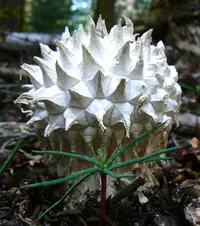
Calvatia sculpta, commonly called sculpted puffball, is a terrestrial fungus rather than a typical leafy plant. It forms rounded to egg-shaped fruiting bodies with a distinctive, blocky, sculpted surface. When young, the inside is firm and white; as it matures, the interior turns brown and powdery, releasing spores. This species is native to higher-elevation conifer forests in western North America, often appearing on well-drained, undisturbed soil. It is not a practical choice for container growing, and attempts to cultivate it at home are challenging, so guides on how to care for Sculpted Puffball are limited. In nature it prefers cool conditions, good soil aeration, and seasonal moisture followed by drying periods.

Main Plant Requirements

Care Difficulty

Hard Care

Light Preference

Full Sun

Water Requirements

Low Water

Temperature Preference

Cold Hardy

Hardiness Zone

5–9

Soil Texture

Sandy, Loamy, Rocky

Soil pH

Slightly acidic (6.5–7.0), Neutral (7.0)

Soil Drainage

Well-drained

Fertilization

Minimal (feed rarely)

Get Personalized Care Plan

Scan your plant to receive care tips personalized for your specific plant

Available on iOS and Android

How to Care for the Sculpted Puffball

This fungus develops best in open, high-light sites without prolonged, harsh exposure.

  • Aim for 4–6 hours of direct morning sun with bright, open shade or filtered light in the afternoon to reduce drying and scorching risk.
  • Calvatia sculpta tolerates light partial shade, but heavy shade for most of the day reduces fruiting and leads to fewer, smaller puffballs.
  • In summer at high elevations, protect from all-day exposed rock or pavement, which reflects intense sun and can overheat and desiccate the substrate.

Moist but not waterlogged soil supports reliable fruiting of this puffball fungus.

  • Allow the top 2–5 cm of soil to dry slightly between natural rains or irrigations, then moisten the upper 10–15 cm with a slow, even soak.
  • In well-drained, sandy or loamy soil, increase watering after hot, dry periods to mimic autumn rain pulses that trigger Calvatia sculpta development.
  • Avoid standing water or compacted, poorly drained sites, which cause rot; very cracked, powder-dry soil signals that the site is too dry for consistent fruiting.

This species favors cool to mild conditions rather than sustained heat.

  • Optimal fruiting generally occurs around 50–68°F (10–20°C), often in late summer to autumn when days cool and soils stay moist.
  • The fungus tolerates brief drops near 32°F (0°C), but repeated hard frosts below 28°F (-2°C) can damage developing puffballs.
  • Heat above 80°F (27°C), especially with dry soil, suppresses growth, so higher-elevation or seasonally cooler sites are better for Calvatia sculpta care.

Humidity is not a key factor for Calvatia sculpta cultivation compared with temperature and substrate conditions.

Soil conditions determine whether Calvatia sculpta can establish and fruit effectively.

  • Use a loose, sandy or sandy-loam substrate with high mineral content and only modest organic matter.
  • Ensure very sharp drainage; mimic dry, rocky, or well-aerated forest or montane soil that never stays waterlogged.
  • Maintain slightly acidic to neutral pH, roughly 6.0–7.0, avoiding strongly acidic or alkaline conditions.
  • Improve aeration and drainage by mixing coarse sand, small gravel, and minimal compost, avoiding compacted or clay-heavy soil.

This species is generally unsuitable for container growing because it relies on complex soil and mycorrhizal-like relationships in the ground.

This native puffball fungus usually requires no fertilizer when grown in suitable outdoor soil.

Calvatia sculpta does not need true pruning, but minimal handling helps manage spore release and appearance.

  • Handle mature puffballs gently with clean gloves or hands to avoid unnecessary damage.
  • Remove collapsed or decaying fruiting bodies with a knife if they become unsightly or slippery.
  • Leave some mature specimens to break down naturally so spores can disperse and maintain the population.

This fungus is rarely container-grown, so care focuses on transplanting suitable habitat rather than moving individual puffballs.

  • Avoid disturbing fruiting bodies; instead, relocate small amounts of colonized soil or substrate if needed.
  • If moving habitat, do so in cool, moist weather to limit drying of the fungal threads (mycelium).
  • Place transferred soil into a similar free-draining, slightly organic site and water lightly once after transplanting.
  • Do not expect frequent or scheduled transplant success; treat any move as experimental and minimal.

Propagation of Calvatia sculpta is challenging and not reliably controlled in home settings.

  • This species reproduces by spores; allow mature puffballs to dry and rupture naturally on site.
  • If attempting spore dispersal, gently crumble a dry, brown puffball over similar soil conditions in late summer or fall.
  • Maintain the site with good drainage, light organic matter, and minimal disturbance to support mycelium development.
  • Understand that successful establishment is unpredictable and may take several seasons before new fruiting bodies appear.

This montane puffball is cold hardy in its native range and needs no special winter care outdoors.

Care Tips

Spore collection setup

Place a clean sheet of paper or plastic under mature puffballs in the field so the falling spores are easy to gather and move to new suitable sites without disturbing the soil too much.

Hygienic handling

Disinfect knives, baskets, and hands before and after handling specimens to reduce transfer of competing fungi or bacteria into areas where you hope to establish new colonies.

Match native habitat

When selecting introduction sites, choose well‑drained, undisturbed montane or conifer forest edges with similar elevation, soil texture, and rainfall to where the original specimens were found, since this fungus relies on narrow habitat conditions.

Encourage spore spread

Gently roll fully mature but still intact fruiting bodies around the target area so they release spores over a wider radius, then leave fragments in place as organic matter.

Long‑term monitoring

Keep GPS notes, photos, and simple records of weather and fruiting dates at each introduction site, as multi‑year tracking is often necessary to judge whether growing Sculpted Puffball has been successful.

Common Pests and Diseases

Mycophagous flies

These insects lay eggs on developing puffballs, and the larvae tunnel through the tissue, causing premature collapse and decay of the fruiting body.

Solution

Collect and remove heavily infested puffballs before larvae fully develop, and avoid leaving damaged fruiting bodies on site, which can attract more flies. For cultivated setups, use fine mesh covers over developing puffballs and maintain clean surrounding substrate to reduce egg‑laying sites.

Slugs and snails

This pest feeds on the outer surface and folds of the puffball, leaving irregular gouges and sometimes penetrating into the interior tissue.

Solution

Hand‑pick slugs and snails in the evening, use physical barriers such as copper tape or rough sand rings around cultivated areas, and keep nearby vegetation trimmed to reduce shelter. Avoid overwatering or creating persistently wet microhabitats that favor their activity.

Secondary bacterial soft rot

This disease often enters through small wounds or insect damage, causing soft, watery spots that quickly turn brown and malodorous as the puffball tissue breaks down.

Solution

Remove and discard affected puffballs as soon as soft, discolored areas appear to prevent spread onto adjacent fruiting bodies. In cultivation, minimize handling, protect puffballs from mechanical injury, and maintain good air movement so surfaces dry quickly after rainfall or misting.

Parasitic fungi

This disease results from other fungi colonizing the puffball surface or interior, sometimes forming moldy patches or distorted growth and hastening decomposition.

Solution

Harvest puffballs promptly at the desired maturity and discard any that show mold patches or unusual discoloration. For managed or experimental cultivation, reduce overcrowding, ensure good airflow, and avoid reusing substrate or tools that have visible mold contamination to limit spore carryover.

Interesting Facts

Mountain puffball specialist

This puffball is naturally restricted to high-elevation conifer forests of western North America, especially in the Sierra Nevada and Cascade ranges, where it fruits on the ground among litter and soil rather than on wood.

Sculpted outer surface

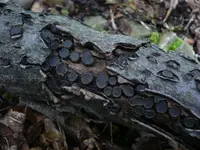
The fruiting body has a distinctive quilted, pyramid-like pattern of raised, angular warts, which gives the species its sculpted appearance and helps distinguish it from other large puffballs.

Color change with age

Fruiting bodies start off white to cream and firm inside; as spores mature, the interior turns olive-brown and powdery, while the outer surface often weathers to tan or brown before rupturing to release spores.

Botan icon

Did you know?

Unlike most puffballs that release spores through a small pore at the top, this species often breaks open irregularly along cracks in its sculpted outer surface, allowing wind and mechanical disturbance to disperse the mature spore mass more broadly.

FAQs about Sculpted Puffball

The immature white interior is considered edible by some foragers when thoroughly cooked, but identification must be certain. Once the interior yellows or browns, it is no longer edible. Avoid collecting from polluted or contaminated sites.

Grow Healthy Plants with Botan Care

Keep your plants happy and healthy with plant identification, disease detection, and easy care guidance.

Botan plant care app — identify plants on mobile

Explore More Plants