Use hardwood chips
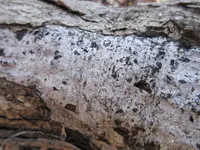
When establishing a patch outdoors, incorporate a 5–10 cm layer of well-rotted hardwood chips or shredded deciduous leaves over the planting area to provide a long-lasting food source for the fungus.

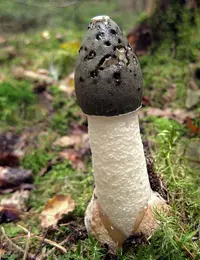
The common stinkhorn, Phallus impudicus, is a widespread woodland fungus, not a leafy houseplant. It emerges from a white, egg-like structure and rapidly grows a tall, spongy, honeycombed stem topped with a slimy dark olive cap. This slime produces a strong carrion-like smell that attracts flies, which spread its spores.
Common stinkhorn occurs naturally in forests, parks, and woodchip mulches across Europe and North America. It grows best in moist, humus-rich soil with consistent organic matter. Outdoor gardeners who care for common stinkhorn usually focus on maintaining damp, shaded conditions rather than direct cultivation from spores.

Care Difficulty
Moderate Care

Light Preference
Partial Shade

Water Requirements
Keep Soil Moist

Temperature Preference
Cool Climate

Hardiness Zone
4–9

Soil Texture
Loamy, Peaty, Organic-rich

Soil pH
Acidic (5.5–6.5), Slightly acidic (6.5–7.0)

Soil Drainage
Moist but well-drained

Fertilization
Minimal (feed rarely)
Scan your plant to receive care tips personalized for your specific plant
Available on iOS and Android
This woodland fungus prefers low to moderate light that mimics shaded forest floors.
Moist, organically rich soil is essential for reliable fruiting of this fungus.
This species favors cool to mild conditions typical of shaded woodland environments.
Humidity is not a critical factor for this outdoor saprophytic fungus.
This fungus develops best in consistently moist, organic-rich ground rather than standard potting media.
This species is not well suited to long-term container growing, even for those interested in growing common stinkhorn.
Phallus impudicus, a saprophytic fungus, normally extracts all needed nutrients from rich organic debris and requires no direct fertilization.
Phallus impudicus does not need structural pruning, but spent fruiting bodies can be removed for hygiene and odor management.
Transplanting focuses on moving the substrate containing the mycelium rather than treating Phallus impudicus like a potted plant.
Propagation of Phallus impudicus in gardens relies on spreading mycelium or spore-containing material rather than standard plant techniques.
This fungus is naturally cold hardy and needs no special winter care in typical temperate climates.

Plant Health Check
Not sure what's wrong with your plant? Check your plant's health inside the app.
This fungus relies on flies and other carrion-seeking insects for spore dispersal, attracting them with a foul-smelling slime that mimics decaying flesh. The insects feed on the spore-rich gleba and carry spores away on their bodies and in their digestive tracts.
The mushroom emerges from its egg-like structure and reaches full height in only a few hours under suitable conditions. This rapid expansion is driven mainly by water uptake and cell inflation rather than slow tissue division.
The greenish-brown slime on the cap is a specialized tissue layer packed with spores and volatile compounds. These compounds produce a strong carrion odor that is highly attractive to certain fly species but not to typical mushroom-feeding animals.

The egg stage of this species is sometimes eaten in parts of Europe after careful identification, and chemical studies have confirmed that the offensive odor only develops fully when the mature fruiting body breaks through the egg and exposes the spore-bearing slime.
This fungus spreads efficiently where there is abundant decaying wood or mulch. It produces many sticky spore masses that insects carry away. In rich organic beds it can naturalize quickly, so limit woody mulch if spread is unwanted.
Keep your plants happy and healthy with plant identification, disease detection, and easy care guidance.