hypoxylon canker Care (Biscogniauxia atropunctata)

hypoxylon canker

About hypoxylon canker

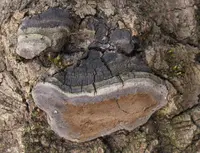
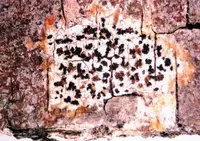
Hypoxylon canker, caused by the fungus Biscogniauxia atropunctata, forms hard, crust-like structures on dead or declining hardwood branches, especially oaks and other shade trees. It is not a traditional ornamental plant, but a wood-decaying organism that lives mostly in the bark and outer wood.

This fungus is common in North America and other temperate regions, appearing where trees are stressed by drought, root damage, or other factors. It thrives in dry, weakened wood, so learning how to care for hypoxylon canker focuses mainly on maintaining tree health and reducing stress rather than directly cultivating the fungus.

Main Plant Requirements

Care Difficulty

Hard Care

Light Preference

Partial Shade

Water Requirements

Moderate Water

Temperature Preference

Warm Climate

Hardiness Zone

Unknown

Soil Texture

Loamy, Silty, Organic-rich

Soil pH

Slightly acidic (6.5–7.0)

Soil Drainage

Moist but well-drained

Fertilization

Minimal (feed rarely)

Get Personalized Care Plan

Scan your plant to receive care tips personalized for your specific plant

Available on iOS and Android

How to Care for the hypoxylon canker

This fungus develops most actively on stressed host trees growing in warm, moderately lit woodland conditions.

  • Aim for sites with 3–6 hours of dappled or filtered light per day, such as forest edges or under a light canopy, rather than full, open sun.
  • Provide morning sun with afternoon shade where possible, since intense sun and heat can stress host trees and favor hypoxylon canker development.
  • In summer, prioritize partial shade; in winter, increased light through bare branches is acceptable as long as bark is not suddenly exposed to harsh, direct sun.

Moist but well-drained soil around host trees reduces stress and supports more balanced interactions with Biscogniauxia atropunctata.

  • Allow the top 5–8 cm of soil to dry slightly between deep soakings, then water slowly so moisture reaches 15–20 cm deep without pooling.
  • In hot, dry periods, monitor for wilting foliage, crispy margins, or premature leaf drop on host trees and increase deep watering rather than adding frequent light sprinklings.
  • Avoid waterlogged conditions; standing water, sour smell, or mossy, constantly wet soil indicate poor drainage that can weaken trees and shift fungal activity toward damaging levels.

Stable, moderate temperatures keep host trees less stressed and limit the most aggressive activity of this wood-decaying fungus.

  • Target a growing-season range of 65–85°F (18–29°C), common in many temperate woodlands, as this maintains normal tree physiology without excessive heat stress.
  • Avoid sustained heat above 95°F (35°C), which can stress trees, especially during drought, making bark and inner wood more vulnerable to colonization.
  • Protect host trees from hard freezes below 15°F (-9°C) when possible, since repeated freeze–thaw cycles and frost cracks in bark can open pathways for fungal invasion.

Humidity is not a meaningful care factor for Biscogniauxia atropunctata, as this fungus develops mainly in stressed trees rather than being managed like a typical plant.

Soil conditions influence host stress and therefore the likelihood of Biscogniauxia atropunctata colonization.

  • Aim for a deep, loamy, organic-rich soil that retains moisture evenly but never stays saturated.
  • Ensure drainage is moderate to fast by incorporating 20–30% coarse sand or fine gravel to prevent waterlogging and root decline.
  • Maintain soil pH in a slightly acidic to neutral range (pH 6.0–7.0) to support strong host root function and resilience.
  • Avoid heavily compacted, thin, or chronically dry soils, and periodically topdress with compost to improve structure and aeration.

This species is not suitable for container growing and is managed as a tree pathogen rather than a potted organism, so container-specific practices do not apply.

Biscogniauxia atropunctata lives on stressed wood and does not benefit from targeted fertilization like ornamental plants.

Pruning focuses on managing host trees rather than altering Biscogniauxia atropunctata itself.

  • Inspect trees during late winter or dry weather, when cankers and dead sections are easier to see.
  • Remove dead, broken, or heavily cankered branches back to healthy wood using sharp, disinfected bypass pruners or a pruning saw.
  • Cut just outside the branch collar to support proper wound closure and reduce entry points for further decay organisms.
  • Dispose of removed wood away from living trees to limit spore sources around the site.

This fungus colonizes woody hosts in the landscape, so care focuses on tree placement and stress reduction rather than true repotting.

  • Transplant young host trees during early spring or early fall so roots establish before summer heat or deep winter cold.
  • Choose a site with appropriate soil drainage and light for the tree species to reduce stress that favors hypoxylon canker development.
  • Handle the root ball gently, keeping it intact and moist; avoid breaking major roots or planting deeper than the original soil line.
  • Water deeply after planting, then maintain even soil moisture while the tree establishes, using mulch to limit evaporation and root stress.

Intentional propagation of Biscogniauxia atropunctata is not recommended, as it is a wood-decay fungus associated with tree decline.

No direct winter care is needed for the fungus itself; focus on supporting the health of host trees.

  • Most suitable host trees are naturally hardy; maintain their usual cold-hardiness zone recommendations.
  • Apply 5–8 cm of organic mulch around the root zone, keeping it slightly away from the trunk to moderate soil temperature and moisture.
  • Avoid late-season heavy pruning or excess nitrogen that can push tender growth prone to winter injury and later fungal colonization.

Care Tips

Host selection strategy

Select only short-lived, non-valuable trees as intentional hosts, since Biscogniauxia atropunctata is a wood-decaying fungus that can severely weaken living oaks and related species.

Quarantine and containment

Keep infected wood or display logs away from healthy oaks and other susceptible hardwoods, and work with separate tools and gloves that are disinfected with 70% alcohol or a 10% bleach solution after handling colonized material.

Moisture level control

Maintain host logs or wood pieces in a shaded, moderately dry but not saturated location, since excessive wetting promotes other fungi that can outcompete this species, while very dry conditions may slow its development.

Safe display placement

When using colonized wood decoratively, place it on washable, non-porous surfaces and away from air intakes or strong fans to reduce spread of spores and wood dust indoors.

Sanitation after removal

After discarding colonized wood, sweep and then damp-wipe nearby surfaces to pick up remaining spores, which supports long-term management when caring for hypoxylon canker in gardens or collections.

Common Pests and Diseases

Secondary wood-decay fungi

This disease develops on stressed or dying host trees already colonized by Biscogniauxia atropunctata and further decomposes sapwood and heartwood. Symptoms include extensive white or brown rot, soft or crumbly wood, and advanced structural breakdown of branches or trunks.

Solution

Management focuses on maintaining host tree vigor through proper watering, mulching, and avoidance of mechanical injury, since direct control on the fungus is not practical. Remove and dispose of heavily decayed branches or whole trees that pose a hazard, and avoid storing infected wood nearby to limit additional fungal spread.

Bark beetles

These insects are attracted to weakened trees affected by Biscogniauxia atropunctata and bore into the bark and outer wood, creating galleries. Symptoms include fine boring dust, small round exit holes, canopy dieback, and rapid decline of already stressed hosts.

Solution

Improve tree health through regular watering during drought, reduction of soil compaction, and avoidance of trunk damage to make trees less attractive to beetles. Prune and remove heavily infested limbs or severely compromised trees, and chip or burn infested wood to reduce local beetle populations, using targeted trunk sprays only where regionally recommended by forestry or extension services.

Ambrosia beetles

These insects colonize stressed or recently dead trees and introduce symbiotic fungi into the wood, accelerating decline when Biscogniauxia atropunctata is already present. Symptoms include pin-sized entry holes, toothpick-like strands of boring dust, and rapid branch or whole-tree wilt.

Solution

Reduce beetle pressure by promptly removing and destroying highly stressed or dead trees and large limbs, which serve as breeding material. Support remaining trees with proper irrigation and mulching, and in high-value settings consider regionally recommended preventative trunk treatments timed to beetle flight, guided by local extension or forestry advice.

Wood-boring longhorn beetles

These insects lay eggs in weakened or dead wood, and their larvae tunnel extensively through trunks and branches, further degrading wood already compromised by Biscogniauxia atropunctata. Symptoms include large oval exit holes, internal galleries, and increased breakage of branches or stems.

Solution

Limit habitat for larvae by removing and destroying dead or severely weakened wood in a timely manner, and avoid stacking infested logs near living trees. Maintain host tree vigor to reduce susceptibility, and in managed landscapes inspect trees regularly so hazardous, structurally weakened limbs can be pruned before failure.

Interesting Facts

Distinct bull’s-eye cankers

On oak and beech, this fungus produces characteristic target-like stem cankers with concentric zones, often preceded by pale, wilted foliage as the internal wood is colonized and killed.

Opportunistic endophyte lifestyle

The fungus commonly lives for years hidden inside healthy hardwood tissues as an endophyte, causing little damage until the host is stressed by drought, root damage, or other factors, at which point it rapidly switches to an aggressive canker pathogen.

Charcoal crust on bark

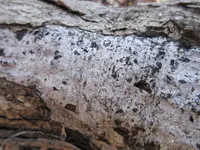
Mature infections form hard, black, crust-like stromata that erupt through the bark, giving trunks a scorched or charcoal-covered appearance and often remaining visible long after the underlying wood is dead.

Botan icon

Did you know?

Genetic and field studies indicate that this species is native and widespread in eastern North American hardwood forests, with disease outbreaks typically reflecting environmental stress on oaks and other hosts rather than the recent arrival of a new invasive pathogen.

FAQs about hypoxylon canker

This fungus spreads opportunistically on stressed or damaged trees, not as an aggressively expanding ornamental plant. It colonizes weakened hosts via spores carried by wind or rain splash. Healthy, well-managed trees are much less likely to be affected.

Grow Healthy Plants with Botan Care

Keep your plants happy and healthy with plant identification, disease detection, and easy care guidance.

Botan plant care app — identify plants on mobile

Explore More Plants