Wrinkled Peach Care (Rhodotus palmatus)

Wrinkled Peach

About Wrinkled Peach

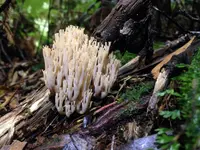
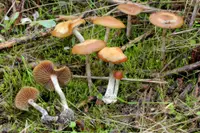
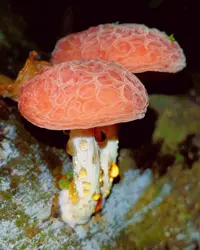
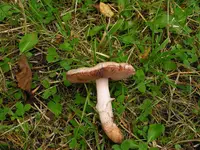
Wrinkled peach, Rhodotus palmatus, is a saprophytic fungus, not a true plant, that grows on decaying hardwood, especially elm. It forms small, peach to pink caps with a distinctive wrinkled or veined surface and a gelatinous texture.

This mushroom is naturally found in temperate forests of Europe, Asia, and parts of North America, usually in cool, moist woodland habitats. It is considered rare in many areas due to habitat loss and changing forest management.

Because it depends on specific dead wood and stable moisture, it is very difficult to cultivate intentionally. Most people learn how to care for Wrinkled Peach only in terms of conserving its woodland habitat rather than growing it at home.

Main Plant Requirements

Care Difficulty

Hard Care

Light Preference

Partial Shade

Water Requirements

Keep Soil Moist

Temperature Preference

Cool Climate

Hardiness Zone

Unknown

Soil Texture

Loamy, Silty, Organic-rich

Soil pH

Acidic (5.5–6.5)

Soil Drainage

Moist but well-drained

Fertilization

Minimal (feed rarely)

Get Personalized Care Plan

Scan your plant to receive care tips personalized for your specific plant

Available on iOS and Android

How to Care for the Wrinkled Peach

This wood-inhabiting fungus prefers low to moderate light typical of shaded forests.

  • Provide bright, indirect light or full shade with brief dappled sun, ideally 1–3 hours of weak morning sun only, as Wrinkled Peach can scorch in strong midday or afternoon sun.
  • Avoid direct sun from 11 a.m.–4 p.m.; excessive exposure dries the substrate and bleaches the fruiting bodies, reducing their lifespan and color intensity.
  • In summer, increase shade or filtered light; in cooler seasons, allow slightly more diffuse light but still protect from any harsh, low-angle direct rays.

Rhodotus palmatus relies on consistently moist, but not waterlogged, wood or substrate.

  • Maintain evenly moist conditions around the colonized wood; allow only the surface 1–2 cm of any casing or surrounding soil to start drying before rehydrating.
  • Use thorough, less frequent soaking rather than frequent light splashes, and ensure excess water drains away so the substrate does not remain saturated for more than 24 hours.
  • Watch for signs of imbalance: waterlogged conditions favor bacterial slime and foul odor, while prolonged dryness leads to shriveling or aborted fruiting bodies and slower mycelial spread.

This fungus prefers cool to mild conditions similar to a shaded woodland floor.

  • Aim for an optimal range of 50–68°F (10–20°C) for reliable fruiting and steady mycelial activity throughout the main growing season.
  • Short exposures down to about 32°F (0°C) can be tolerated, but repeated hard frosts or freezing of the substrate can damage developing or mature fruiting bodies.
  • In warm periods above 77°F (25°C), shade and high humidity are important, as sustained heat over 82°F (28°C) can slow development and dry the substrate too quickly.

This saprophytic fungus prefers consistently moist air rather than very dry indoor conditions.

  • Aim for 60–80% humidity to mimic the damp forest air where Wrinkled Peach naturally fruits.
  • Dry air causes caps to harden, edges to crack, and growth to stall, especially during early development.
  • Increase humidity by misting nearby surfaces, running a humidifier, or using a closed but ventilated growing chamber.

Rhodotus palmatus develops best in a moist, well-aerated substrate that mimics decaying hardwood rather than typical garden soil.

  • Use a loose mix based on sterilized hardwood sawdust or chips blended with some straw or coarse bark for structure.
  • Ensure rapid drainage with no standing water; the substrate should feel damp like a wrung-out sponge, not wet or muddy.
  • Maintain a slightly acidic reaction around pH 5.5–6.5, which supports mycelial growth and reduces bacterial competition.
  • Improve aeration by adding coarse particles (chopped straw, wood chips) and avoid compacted, clay-heavy or peat-only mixes that suffocate the mycelium.

This fungus can be grown in containers but only in specially prepared, wood-based substrates rather than standard potting soil.

  • Choose deep, stable containers that comfortably hold the full block of colonized substrate without compressing it.
  • Use opaque or dark-sided containers to limit light on the substrate, which helps maintain moisture and reduces unwanted algae growth.
  • Drill multiple small side holes near the fruiting zone to allow fresh air exchange while limiting rapid drying of the substrate.

Rhodotus palmatus, known as Wrinkled Peach, usually grows on decaying hardwood and needs minimal additional nutrition in cultivation.

  • If grown on logs or wood blocks, rely mainly on well-decayed, nutrient‑rich hardwood as the primary substrate.
  • For experimental container culture, mix in a small amount of well‑matured compost to a wood‑based medium to support microbial activity.
  • During active growth, a very dilute (25% strength) balanced NPK liquid feed once a month is the upper limit.
  • Avoid feeding in winter or when growth is dormant, as excess nutrients can disrupt the fungal community.

Pruning is rarely needed for Rhodotus palmatus, since it is a saprophytic fungus rather than a woody plant.

Rhodotus palmatus is typically established on logs or wood-based substrates, so care focuses on renewing or adjusting the substrate rather than classic repotting.

  • Signs it needs attention include exhausted, crumbly wood, reduced fruiting, or contamination with competing fungi or molds.
  • Best timing for moving or renewing substrate is late winter to early spring, before peak fruiting conditions outdoors.
  • For log culture, shift colonized pieces onto fresh, sound hardwood of the same species and keep moisture stable.
  • Handle colonized substrate gently, keeping it shaded and cool to reduce mycelium stress and prevent drying.

Propagation of Rhodotus palmatus is specialized and typically done by spore or mycelium culture rather than home methods.

Rhodotus palmatus in natural settings is quite cold hardy and usually needs little specific winter care.

  • Outdoor inoculated logs can remain in place year‑round in climates with normal temperate winters.
  • Apply a light mulch of leaves or wood chips around the base of logs in very exposed sites to moderate freeze–thaw cycles.
  • In containers or experimental culture, move substrates to a sheltered but unheated area to prevent complete drying from wind.

Care Tips

Use hardwood blocks

For reliable fruiting, inoculate well-seasoned hardwood blocks (such as beech, maple, or oak) and keep them in a shaded, humid environment so the mycelium can fully colonize before exposing to fruiting conditions.

Simulate forest duff

Place the colonized wood partly buried in a loose, leaf-rich mulch layer to mimic natural forest litter, which helps keep moisture stable and encourages more natural, robust fruit bodies when growing Wrinkled Peach.

Control light quality

Provide low-intensity, diffuse light rather than darkness or harsh direct light, such as under a shade cloth or under-bench greenhouse area, to promote the characteristic color and form of the caps without drying them out.

Manage air movement

Maintain very gentle, continuous air exchange around the fruiting wood (for example, cracked vents or a small low-speed fan) to prevent stagnant air and reduce bacterial blotches while still retaining high humidity.

Monitor colonization timing

Allow the mycelium to fully and densely colonize the wood, often many months, and only then move it to cooler, moister fruiting conditions to avoid weak, patchy flushes and contamination issues.

Common Pests and Diseases

Mycophagous springtails

These insects feed on fungal fruiting bodies and can chew pits or channels into the cap surface. Symptoms include fine pitting, small tunnels, and a dulled, rough texture on the normally wrinkled peach-colored cap.

Solution

Limit excess moisture around the basidiocarps, avoid standing water, and improve air circulation near the substrate. Physically remove heavily infested fruiting bodies and, in cultivation, use fine mesh barriers or sticky traps around the growing area rather than broad-spectrum chemicals, which can disrupt fungal development.

Fungus gnat larvae

This pest lives in moist substrates and feeds on fungal tissue, often hollowing out young or developing fruiting bodies. Symptoms include collapsing stems, distorted or aborted caps, and sometimes soft, water-soaked areas at the base.

Solution

Reduce substrate moisture slightly so it remains damp but not waterlogged, and remove any decaying organic debris that supports larvae. In indoor or controlled culture, use yellow sticky traps for adults and apply Bacillus thuringiensis var. israelensis (BTI) to the substrate according to label directions to target larvae while preserving the fungus as much as possible.

Mite grazing damage

These arthropods scrape and feed on the outer tissue of the cap and gills, leaving pale, roughened, or scarred patches. Symptoms include tiny whitish spots, a sandpaper-like texture, and sometimes distorted growth in heavily grazed areas.

Solution

Inspect fruiting bodies and nearby substrate with a hand lens and remove any visibly infested tissue. Lower overcrowding, keep the environment clean, and in controlled culture rely on gentle airflow and physical exclusion (fine mesh or filters) rather than miticides, which can harm delicate fungal tissues.

Bacterial blotch

This disease causes water-soaked lesions and greasy-looking spots on the cap, often turning pale brown or tan as they age. Symptoms include slimy areas, localized collapse of tissue, and an unpleasant surface film under persistently wet conditions.

Solution

Reduce overhead wetting of the fruiting bodies, keeping humidity high but surfaces mostly dry, and increase air movement around them. Remove affected specimens promptly, clean tools and containers with a mild disinfectant, and avoid splashing water between healthy and diseased clusters to limit spread.

Competing mold colonization

This disease involves fast-growing molds overrunning the substrate or fruiting bodies, leading to discolored patches, fuzzy growth, or complete failure of normal Rhodotus palmatus development. Symptoms include zones of white, green, or gray mold that cover or deform primordia and caps.

Solution

Discard or isolate heavily contaminated substrate, since eradication is rarely successful once competing molds dominate. For Rhodotus palmatus care instructions in controlled culture, start with well-pasteurized or sterilized substrate, maintain good hygiene, and keep airflow steady to prevent stagnant, mold-favoring microclimates around the developing fruiting bodies.

Interesting Facts

Rare jelly-like texture

The fruiting body of this fungus has a rubbery, gel-like flesh and a strongly wrinkled cap surface, which helps it retain moisture on decaying wood in cool, damp forests.

Unusual pink coloration

The cap ranges from salmon-pink to bright coral and often shows translucent, net-like ridges, a combination of color and texture that makes it one of the most visually distinctive agaric fungi in temperate forests.

Indicator of old forests

This species typically grows on long-dead, well-decayed hardwoods such as elm and is often considered an indicator of older, relatively undisturbed forest habitats in parts of Europe and North America.

Botan icon

Did you know?

Rhodotus palmatus is listed as threatened or rare in several European countries, and in some regions it is legally protected because of its limited distribution and association with declining old-growth hardwood forests.

FAQs about Wrinkled Peach

This fungus develops from spores, not true seeds. In gardens it is rarely cultivated because spores need very specific decaying hardwood, moisture, and temperature conditions. Most people simply protect existing logs and let it appear naturally.

Grow Healthy Plants with Botan Care

Keep your plants happy and healthy with plant identification, disease detection, and easy care guidance.

Botan plant care app — identify plants on mobile

Explore More Plants