Phase Bed Preparation
Before inoculation, pre-compost and pasteurize manure-based substrate in a separate area so the final growing bed receives only cooled, conditioned material with stable structure and reduced competitor fungi.

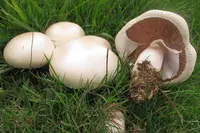
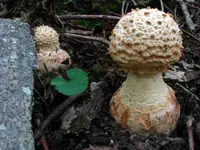
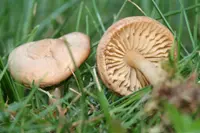
Horse mushroom, Agaricus arvensis, is a large, fleshy saprophytic fungus that breaks down organic matter rather than forming typical green foliage. It produces stout white to creamy caps with a firm stem and dense gills that darken as the mushroom matures. In nature, it usually appears in pastures, lawns, and grassy field margins in temperate regions. This species is considered a good edible by experienced foragers, but safe identification is critical because of similar toxic look-alikes. It is moderately challenging to cultivate at home, as it prefers nutrient-rich, well-aerated substrates and stable moisture. Understanding how to care for Horse Mushroom starts with controlling hygiene, temperature stability, and ventilation in any growing setup.

Care Difficulty
Hard Care

Light Preference
Partial Shade

Water Requirements
Keep Soil Moist

Temperature Preference
Cool Climate

Hardiness Zone
Unknown

Soil Texture
Loamy, Silty, Organic-rich

Soil pH
Slightly acidic (6.5–7.0), Neutral (7.0)

Soil Drainage
Moist but well-drained

Fertilization
Minimal (feed rarely)
Scan your plant to receive care tips personalized for your specific plant
Available on iOS and Android
Agaricus arvensis performs best in bright but not harsh light conditions.
Agaricus arvensis needs consistently moist, not saturated, soil to form healthy mushrooms.
This species prefers cool to mild conditions and declines in temperature extremes.
This species needs consistently moist, high-humidity conditions to form reliable fruiting bodies.
Agaricus arvensis fruits best in deep, loose, organic-rich substrate that drains freely yet stays evenly moist.
This mushroom can be grown in containers if the vessel is shallow, wide, and allows controlled moisture levels.
This saprotrophic fungus grows best in organically enriched soil rather than heavy synthetic feeding.
Agaricus arvensis does not require structural pruning, but timely harvesting and removal of spent material supports hygiene and productivity.
This mushroom is usually grown in beds or lawns, so focus on transplanting spawn or mycelium rather than classic repotting.
New Agaricus arvensis colonies are established by using spawn or transferring colonized substrate, not by typical plant cuttings or seeds.
Outdoor beds of this species tolerate moderate cold but can benefit from light winter protection in harsher climates.

Plant Health Check
Not sure what's wrong with your plant? Check your plant's health inside the app.
Fresh young fruiting bodies often smell distinctly of sweet almond or anise due to aromatic compounds, a feature mushroom foragers use to help distinguish it from similar species.
The gills start pale and slowly turn grey‑brown as spores mature, while the cap and stem can show a yellowing reaction when bruised or exposed to alkali such as dilute potassium hydroxide, a diagnostic field characteristic.
This species typically fruits in nutrient-rich grasslands, old pastures, and near stables or manure heaps, where it helps decompose organic matter and recycle nitrogen in agricultural landscapes.

Agaricus arvensis has a long history as an edible field mushroom in Europe and has often been collected as a wild alternative to the cultivated button mushroom, contributing to regional mushroom-foraging traditions, especially in the UK and parts of central Europe.
This species is relatively fast-growing. Under suitable moisture, temperature, and hygiene, mycelium can colonize a prepared substrate in 2–4 weeks, with first flushes of mushrooms following shortly after, especially when growing Horse Mushroom on nutrient-rich compost.
Keep your plants happy and healthy with plant identification, disease detection, and easy care guidance.