coltsfoot Care (Tussilago farfara)

coltsfoot

About coltsfoot

Coltsfoot, Tussilago farfara, is a low-growing perennial herb from the aster family, often found in colonies along roadsides, streambanks, and disturbed ground. It spreads by creeping underground rhizomes and can quickly form dense patches.

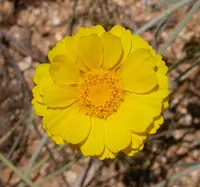
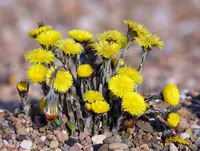
Plants produce bright yellow, dandelion-like flowers early in spring before the rounded, hoof-shaped leaves appear. Later, fluffy seed heads help it spread by wind.

Coltsfoot is hardy and tolerant of poor, compacted, or gravelly soils, which makes it easy to establish but sometimes difficult to control. It prefers open, sunny sites with moderate moisture. Gardeners who care for coltsfoot should monitor its spread in small spaces.

Main Plant Requirements

Care Difficulty

Easy Care

Light Preference

Full Sun

Water Requirements

Regular Water

Temperature Preference

Cold Hardy

Hardiness Zone

3–8

Soil Texture

Loamy, Silty, Organic-rich

Soil pH

Acidic (5.5–6.5), Slightly acidic (6.5–7.0)

Soil Drainage

Moist but well-drained

Fertilization

Minimal (feed rarely)

Get Personalized Care Plan

Scan your plant to receive care tips personalized for your specific plant

Available on iOS and Android

How to Care for the coltsfoot

This hardy perennial prefers open, bright conditions similar to natural meadow or roadside habitats.

  • Provide 4–6 hours of direct morning to early afternoon sun; light afternoon shade helps prevent leaf scorch in hot regions.
  • Plant coltsfoot where it receives at least bright open sky; it tolerates partial shade but flowering and spread decline in heavy shade.
  • In late winter and early spring, unobstructed light encourages strong flower stems; summer foliage copes with dappled shade from taller plants.

This species prefers consistently moist, not waterlogged, soil in most outdoor settings.

  • Water when the top 2–3 cm of soil feel slightly dry, aiming to keep the root zone evenly damp during active growth and flowering.
  • Choose soil with good drainage; standing water or heavy clay encourages root rot, foul smell, and yellowing, limp leaves as overwatering signs.
  • In hot, dry weather increase frequency if leaves wilt or soil dries out quickly; reduce watering after flowering as Tussilago farfara naturally becomes less active.

This cold-hardy perennial is adapted to temperate climates with cool to mild growing seasons.

  • Active growth and flowering occur best around 50–70°F (10–21°C), typical of late winter to spring conditions in many temperate regions.
  • Established plants tolerate winter cold well below 14°F (-10°C), surviving repeated frosts and even frozen ground without protection.
  • Summer heat up to about 86°F (30°C) is usually tolerated if soil stays moist; prolonged hotter, dry periods can cause leaf scorch and early dieback.

Humidity is rarely a limiting factor for Tussilago farfara, which copes well with typical outdoor conditions.

Tussilago farfara prefers moist, loose, and nutrient-rich soil that never stays waterlogged.

  • Use a loamy or sandy-loam soil with high organic matter to support spreading rhizomes.
  • Aim for slightly acidic to neutral pH around 6.0–7.0 for best nutrient availability.
  • In garden beds, mix in compost and coarse sand to improve structure, aeration, and drainage.
  • Avoid heavy, compacted clay or sites where water stands after rain, which encourages root problems.

This species can grow in containers, but the setup must control its spreading roots and moisture levels carefully.

  • Choose a deep, wide pot to accommodate creeping rhizomes while limiting their spread beyond the container edge.
  • Select a heavier material such as ceramic to keep the pot stable as foliage spreads outward.
  • Raise the container slightly on feet or bricks so drainage holes stay clear and excess water exits quickly.

This tough perennial wildflower needs minimal feeding in most soils, so fertilization is usually optional for coltsfoot.

  • In poor or very sandy soil, apply a light top-dressing of compost in early spring to support flowering and leaf growth.
  • If using a balanced NPK granular or slow-release fertilizer, apply once in early spring at half the labeled strength.
  • Avoid repeated applications during the growing season, as excess nutrients can encourage invasive spread and reduce ecological balance.
  • Do not fertilize during winter dormancy; stop feeding by late summer to allow growth to harden before cold weather.

Tussilago farfara requires only light, maintenance pruning to keep growth tidy and limit spread.

  • Best time is late spring to early summer, after flowering stems have faded and seed heads disperse.
  • Remove spent flower stalks and any dead or damaged leaves with clean hand pruners or scissors at the base.
  • Cut back crowded or encroaching clumps to control spread and maintain defined patches in the garden.
  • Discard rhizome-rich pieces if you want to limit colonization, as these can re-root and expand the colony.

This rhizomatous species is usually grown in the ground, so focus on controlled transplanting rather than frequent repotting.

  • Transplant in early spring or early fall when temperatures are mild and soil is evenly moist.
  • Move clumps only when growth becomes too invasive or when plants need relocating, typically every few years.
  • Lift clumps gently, keeping as many rhizomes and fine roots intact as possible to reduce transplant shock.
  • Replant at the same depth in loosened, well-drained soil, then water thoroughly and shade lightly for a few days.

Tussilago farfara is commonly propagated by rhizome division and seeds, and can spread vigorously if unmanaged.

  • Divide established clumps in early spring or early fall, lifting sections with several buds and healthy roots.
  • Replant divisions promptly into moist, well-drained soil, spacing them to allow future spread.
  • Collect ripe seed heads and surface-sow in trays or prepared beds, as light encourages germination.
  • Keep seed-starting medium evenly moist and cool to mild, avoiding waterlogging that can rot young seedlings.

This cold-hardy perennial needs little winter care in most temperate climates, as underground rhizomes tolerate freezing.

  • In very cold or exposed sites, apply a light mulch layer over the root zone after the ground cools but before deep freeze.
  • Container-grown plants benefit from moving pots to a sheltered, unheated area to prevent rootball freeze-thaw cycles.
  • Avoid heavy winter watering; keep soil only slightly moist so rhizomes do not sit in cold, saturated conditions.

Care Tips

Rhizome Containment

Install a buried root barrier 20–30 cm deep around planting areas to keep rhizomes from spreading aggressively into lawns or neighboring beds.

Managed Groundcover Use

Plant in defined strips or under open shrubs where some seasonal shade and competition from other plants help limit excessive spread while still providing a dense, erosion-controlling groundcover.

Targeted Flower Removal

Deadhead spent flower stalks before seed heads fully fluff to greatly reduce wind-dispersed seed spread while still allowing the plant to function as an early nectar source.

Leaf Harvest Timing

If using leaves medicinally, harvest a small portion only once foliage is fully expanded but still fresh, then allow plants at least several weeks of regrowth to maintain long-term vigor when growing coltsfoot.

Soil Disturbance Management

Minimize deep digging or frequent cultivation in established patches, as breaking rhizomes into fragments can trigger denser regrowth and make long-term control more difficult.

Everything About coltsfoot

Common Pests and Diseases

Rust fungus

This disease causes yellow to orange powdery spots or pustules on the underside of leaves and sometimes on stems. Symptoms include early leaf yellowing and premature leaf drop in humid conditions.

Solution

Remove and dispose of heavily infected leaves to reduce spore spread, and avoid overhead watering to keep foliage dry. Improve spacing and airflow around plants, and if needed apply a sulfur or copper-based fungicide labeled for rust at the first sign of symptoms, following label directions carefully.

Powdery mildew

This disease appears as white to gray powdery patches on upper leaf surfaces, which can cause leaf distortion and reduced vigor. Symptoms include slower growth and a dull, dusty look on affected foliage, especially in dry air with poor airflow.

Solution

Increase air circulation and avoid crowding plants, and water at soil level to keep leaves dry. Remove the most affected leaves and, if necessary, treat with a potassium bicarbonate or horticultural oil product labeled for powdery mildew, applied in cool, shaded periods to avoid leaf burn.

Leaf spot

This disease produces small brown, tan, or dark purple spots on leaves that may merge into larger patches. Symptoms include weakened foliage and, in severe cases, partial defoliation during wet seasons.

Solution

Remove and discard spotted leaves and plant debris to reduce fungal inoculum. Water early in the day at the base of the plant, improve drainage, and if recurring, use a copper-based fungicide as a preventative when wet weather is forecast, as part of broader Tussilago farfara care.

Aphids

These insects cluster on young shoots and flower stems, sucking sap and causing curling or distortion of new leaves. This pest also produces sticky honeydew that can attract ants and encourage sooty mold growth.

Solution

Spray colonies off with a firm stream of water and pinch back heavily infested shoot tips. For persistent infestations, use insecticidal soap or a horticultural oil, making sure to cover the undersides of leaves and repeating every 5–7 days as needed.

Coltsfoot gall midge

This pest causes swollen, distorted galls on leaves or flower stalks where larvae feed inside plant tissues. Symptoms include localized thickening or blister-like growths that can slightly reduce plant vigor if numerous.

Solution

Remove and destroy galled leaves or stems as soon as they are noticed to break the insect life cycle. Keep the planting area clean of old plant debris, and where infestations are severe, consider rotating the planting site for a season to reduce local midge populations.

Interesting Facts

Spring-before-leaf flowering

This species sends up bright yellow flower stems very early in spring from its underground rhizomes, while the leaves appear only after blooming has finished, which can make early-season identification tricky.

Specialist pollinator support

Its early flowers provide one of the first nectar and pollen sources for emerging bees and other insects in cold-temperate regions, giving it an important role in late-winter and early-spring food webs.

Efficient long-distance spread

The seed heads form white, dandelion-like pappus structures that allow wind dispersal over long distances, contributing to its ability to colonize disturbed soils, roadside banks, and open, rocky habitats.

Botan icon

Did you know?

The species name farfara is thought to come from the Latin word for the farfarus plant, historically used to describe a similar-looking foliage, and later became formally attached to this species when Carl Linnaeus codified its botanical name in his taxonomic system.

FAQs about coltsfoot

This species spreads vigorously by creeping rhizomes and wind-dispersed seeds. In many regions it behaves aggressively, forming dense patches that outcompete low vegetation. Use barriers, containers, and regular removal of unwanted shoots when growing coltsfoot.

Grow Healthy Plants with Botan Care

Keep your plants happy and healthy with plant identification, disease detection, and easy care guidance.

Botan plant care app — identify plants on mobile

Explore More Plants