desert marigold Care (Baileya multiradiata)

Also known as: Wild Desert-marigold, Showy Desert-marigold
desert marigold

About desert marigold

Desert marigold, Baileya multiradiata, is a short-lived perennial or annual wildflower native to arid regions of the southwestern United States and northern Mexico. It forms low clumps of silvery, woolly foliage that reflect sunlight and reduce water loss.

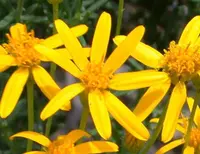
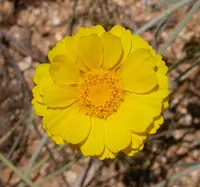
Bright yellow daisy-like flowers sit on slender stems above the leaves and often bloom repeatedly in warm seasons. The plant thrives in full sun, fast-draining sandy or rocky soils, and very low to moderate water.

Its drought tolerance and minimal fertilizer needs make it suitable for xeriscapes and low-maintenance gardens. Understanding how to care for desert marigold mainly involves avoiding overwatering and providing strong light and good drainage.

Main Plant Requirements

Care Difficulty

Easy Care

Light Preference

Full Sun

Water Requirements

Low Water

Temperature Preference

Warm Climate

Hardiness Zone

5–9

Soil Texture

Sandy, Loamy, Rocky

Soil pH

Slightly acidic (6.5–7.0), Slightly alkaline (7.0–7.5)

Soil Drainage

Well-drained

Fertilization

Minimal (feed rarely)

Get Personalized Care Plan

Scan your plant to receive care tips personalized for your specific plant

Available on iOS and Android

How to Care for the desert marigold

Baileya multiradiata thrives in intense, direct sun typical of arid landscapes.

  • Provide 6–10 hours of direct sun daily; full sun from morning through late afternoon produces the most compact growth and abundant blooms in desert marigold.
  • Plant in an open, unshaded site; it tolerates very light afternoon shade in hotter regions, but dense or all‑day shade leads to leggy stems and fewer flowers.
  • In winter, lower sun angles are usually sufficient; avoid planting where nearby trees or structures will cast heavy shade during the growing season.

This desert perennial prefers dry conditions and is highly sensitive to excess moisture around the roots.

  • Allow the soil to dry completely between waterings; in the ground, water only when the top 5–8 cm are bone dry and foliage starts to look slightly dull or less turgid.
  • Use very fast‑draining, sandy or gravelly soil; pooling water or heavy clay greatly increases the risk of root rot in Baileya multiradiata.
  • During hot, dry periods, deep but infrequent watering is safer than frequent light splashes; yellowing, mushy stems signal overwatering, while crisp, browning foliage indicates prolonged drought stress.

This species is adapted to hot, dry climates but has defined limits for both heat and cold tolerance.

  • Ideal growing temperatures are around 70–90°F (21–32°C), with warm days and cooler, dry nights supporting compact growth and flowering.
  • Mature plants often survive brief drops to about 15–20°F (-9 to -6°C), but repeated hard frosts can kill young plants or damage foliage.
  • In extreme heat above 100°F (38°C), the plant usually tolerates conditions if soil is dry and air is not humid; avoid overwatering during hot spells, which increases stress and rot risk.

Humidity is not a significant factor for this arid-adapted species and typical indoor or outdoor air levels are acceptable, so no special measures are needed for desert marigold.

This species thrives in very well-drained, sandy or gravelly soil that mimics desert conditions.

  • Use a mix of roughly 60–70% coarse sand or grit with 30–40% regular potting soil or loam to keep the root zone open and fast-draining.
  • Ensure the soil has a loose, crumbly structure that allows air to reach roots and prevents water from pooling around the crown.
  • Aim for slightly alkaline to neutral pH around 7.0–8.0; avoid highly acidic mixes rich in peat moss.
  • Improve drainage in heavier soils by raising the bed and incorporating mineral materials such as pumice, small gravel, or coarse perlite.

This species can be grown in containers if the pot and medium are managed to stay sharply drained and relatively dry.

  • Choose a wide, shallow container that allows the fibrous root system to spread while preventing deep, soggy zones at the bottom.
  • Use a heavy, stable pot material or add surface gravel to reduce tipping in windy, exposed sites common to xeric plantings.
  • Elevate the pot on feet or bricks so drainage holes stay clear and water can exit quickly after rain or irrigation.

This desert native needs very light feeding, so focus on maintaining lean, well-drained soil for desert marigold.

  • Use a low-rate, balanced NPK granular or slow-release fertilizer in early spring only if growth appears weak or soil is very poor.
  • Apply at 1/2–1/4 the label rate to avoid excess nutrients, which reduce flowering and shorten lifespan.
  • Skip fertilizing in summer heat and during winter dormancy, especially in-ground plants on native or rocky soils.
  • Compost can be used sparingly as a thin topdressing, avoiding heavy, rich amendments around the crown.

Pruning Baileya multiradiata is simple and mainly maintains appearance and continuous bloom.

  • Cut spent flower stalks back to the basal foliage throughout the growing season to encourage new buds.
  • Remove dead, damaged, or diseased stems whenever noticed, using clean, sharp hand pruners or scissors.
  • In late winter or very early spring, lightly tidy the clump by trimming dry foliage without cutting into green crowns.
  • Avoid hard shearing into woody bases, which can reduce vigor and recovery in hot, dry conditions.

This short-lived desert perennial is usually transplanted outdoors rather than kept long term in containers.

  • Transplant in early spring or early fall, when temperatures are mild and soil is not waterlogged.
  • Move plants only when roots just fill the pot; circling, tightly packed roots or stalled growth signal a need for a slightly larger container or ground planting.
  • Use a gritty, fast-draining mix and disturb the root ball as little as possible to limit stress.
  • Water lightly after transplanting, then allow soil to dry between waterings so roots re-establish without rotting.

Baileya multiradiata is most often propagated from seed rather than vegetative methods.

  • Sow fresh seed in late fall or very early spring, outdoors or in trays kept in a bright, cool spot.
  • Use a sharply drained sandy mix; press seeds onto the surface and cover very lightly, as they need some light to germinate.
  • Maintain soil just barely moist, not wet; germination usually occurs as temperatures rise in spring.
  • Transplant seedlings once they have several true leaves, handling gently to avoid damaging the fine roots.

This species is quite cold hardy in dry climates and usually needs minimal winter care.

  • Tolerates light frosts once established, especially in well-drained, gravelly soil.
  • In areas with wet winters, improve drainage with raised beds or gravel mulch to prevent root rot.
  • Container plants in regions below about 10–15°F benefit from moving to a cold, bright, frost-free shelter.
  • Keep winter watering sparse, allowing soil to dry well between light waterings.

Care Tips

Encourage Dense Mounding

Pinch back or lightly shear the spent flowering stems in early to mid spring to encourage a tighter, fuller mound and more uniform flowering later in the season.

Use Gravel Mulch

Apply a 2–5 cm layer of coarse gravel or decomposed granite around the base instead of organic mulch to keep the crown dry, reduce weed pressure, and mimic native desert drainage conditions.

Rotate Plantings Regularly

Replace individual plants every 3–4 years, or stagger new plantings each year, since this short-lived perennial often declines with age and flowers more reliably when relatively young.

Support In Poorly Drained Sites

In heavier soils or low spots, plant on a slightly raised mound or berm so the crown sits above surrounding grade, which helps prevent crown rot during unexpected heavy rain events.

Plan For Reseeding

Allow a portion of seed heads to dry and drop in place if you want the stand to renew itself naturally, or collect and scatter seed to new sunny, fast-draining spots when growing desert marigold in larger landscapes.

Common Pests and Diseases

Spider mites

This pest thrives in hot, very dry conditions and can cause stippled, silvery foliage and fine webbing on stems and leaves.

Solution

Spray foliage thoroughly with a firm stream of water to dislodge mites, then use an insecticidal soap or horticultural oil labeled for mites, applied in the early morning. Reduce plant stress by avoiding overhead irrigation in the evening and by spacing plants to improve airflow in desert marigold care instructions.

Leafhoppers

These insects feed by piercing and sucking plant sap, leading to pale spots, distorted new growth, and sometimes transmission of leafhopper-borne pathogens.

Solution

Use a strong water spray to knock leafhoppers off plants, and remove heavily damaged stems. If populations stay high, apply a low-impact contact product such as insecticidal soap in the early morning and maintain weed control nearby, since many leafhoppers move in from weedy areas.

Aster yellows

This disease is caused by a phytoplasma organism and leads to yellowing, stunted, or deformed growth and distorted flower heads that may stay green.

Solution

Remove and destroy affected plants promptly, since there is no cure once infected. Control leafhopper populations around the planting, reduce nearby weedy hosts from the aster family, and replant only with healthy, symptom-free stock.

Powdery mildew

This disease appears as white, powdery patches on leaves and stems, usually when days are warm but nights are cooler and slightly more humid than usual.

Solution

Improve air circulation by thinning crowded clumps and avoid overhead watering late in the day. Remove affected leaves and, if needed, apply a sulfur-based or potassium bicarbonate fungicide labeled for powdery mildew, following label directions carefully.

Interesting Facts

Spring drought specialist

This desert wildflower often remains dormant during dry years and only produces its showy yellow blooms after winter or early spring rainfall, a strategy that conserves energy in an unpredictable climate.

Short-lived yet persistent

Although individual plants are usually short-lived perennials, populations can persist for many years in the same site because new plants regularly establish from a persistent soil seed bank.

Reflective silver foliage

Its gray-white, woolly leaves are covered in tiny hairs that reflect sunlight and reduce water loss, an adaptation that allows it to thrive on hot, exposed, rocky slopes.

Botan icon

Did you know?

This species is a documented larval host and nectar source for several desert moths and butterflies, making its bright flowers an important seasonal resource within arid pollinator networks in the southwestern United States.

FAQs about desert marigold

Lack of blooms usually comes from too much water, rich fertilizer, or heavy shade. Old, woody clumps also flower less. Trim back lightly, avoid high-nitrogen feeding, and ensure several hours of direct sun to restore flowering.

Grow Healthy Plants with Botan Care

Keep your plants happy and healthy with plant identification, disease detection, and easy care guidance.

Botan plant care app — identify plants on mobile

Explore More Plants