


Encourage Dense Mats
Shear back the flower stalks once seed heads fade to redirect energy into foliage, which helps the plant knit into a tighter groundcover and suppress small weeds.

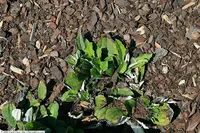
Parlin's pussytoes (Antennaria parlinii) is a low, mat-forming perennial wildflower in the aster family, often used as a ground cover. It has silvery, woolly leaves and small, fuzzy, white flower clusters that resemble a cat’s paw, typically blooming in late spring.
This species is native to eastern North America, where it grows in dry, open woods, rocky slopes, and sandy clearings. It is generally easy to grow, as it tolerates poor, well-drained soils and dry conditions, which simplifies how to care for Parlin's pussytoes.
It prefers full sun to light shade and does best in locations that do not stay wet for long periods.

Care Difficulty
Easy Care

Light Preference
Full Sun

Water Requirements
Low Water

Temperature Preference
Cold Hardy

Hardiness Zone
3–8

Soil Texture
Sandy, Loamy, Rocky

Soil pH
Acidic (5.5–6.5), Slightly acidic (6.5–7.0)

Soil Drainage
Well-drained

Fertilization
Minimal (feed rarely)
Scan your plant to receive care tips personalized for your specific plant
Available on iOS and Android
This sun-loving perennial thrives in open, bright sites with lean, well-drained soil.
This species prefers dry, well-drained conditions and is highly drought tolerant once established.
This hardy groundcover is adapted to cool to temperate climates with cold winters.
This species is adapted to dry, open habitats, so humidity is rarely a concern in typical homes or gardens.
Antennaria parlinii prefers lean, sharply drained soils that mimic dry meadows or rocky slopes.
This species can be grown in containers if the pot is set up to stay dry and airy around the roots.
This drought-tolerant native needs minimal feeding, so focus on lean, well-drained soil for Parlin's pussytoes.
Antennaria parlinii needs only light pruning to keep the mat tidy and flowering well.
This species is usually grown in the ground; focus on occasional transplanting rather than frequent repotting.
Antennaria parlinii is commonly propagated by division and sometimes by seed to expand groundcover patches.
This cold-hardy perennial generally needs little winter care in its outdoor range.

Plant Health Check
Not sure what's wrong with your plant? Check your plant's health inside the app.
This species is native mainly to dry upland habitats in eastern North America, especially open oak woods, rocky outcrops, and thin, sandy soils where many other perennials struggle to persist.
It is dioecious, meaning individual plants produce either only male or only female flowers in the fuzzy flower heads, so both sexes must occur nearby for seed production.
Plants form low basal rosettes of spoon-shaped leaves and spread slowly by short stolons, creating loose, patchy colonies that help stabilize thin, erosion-prone soils.
This species spreads slowly by short rhizomes and surface stolons, forming low mats over time. It is generally not aggressive and is suitable for edging paths or rock gardens where controlled, moderate spread is desired.
Keep your plants happy and healthy with plant identification, disease detection, and easy care guidance.

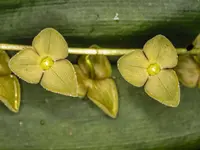
Stelis superbiens
Stelis superbiens
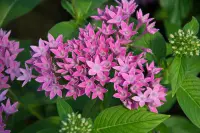
Egyptian starcluster
Pentas lanceolata
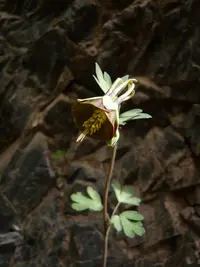
Green-flowered Columbine
Aquilegia viridiflora
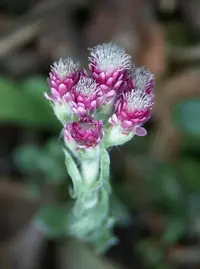
stoloniferous pussytoes
Antennaria dioica
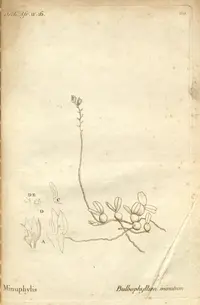
Bulbophyllum minutum
Bulbophyllum minutum
Floating Sundew
Drosera admirabilis
Mexican giant hyssop
Agastache mexicana
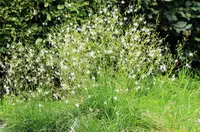
Branched St Bernard's lily
Anthericum ramosum