Branched St Bernard's lily Care (Anthericum ramosum)

Also known as: spider plant ̠
Branched St Bernard's lily

About Branched St Bernard's lily

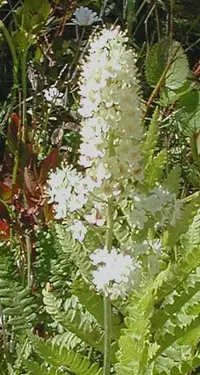
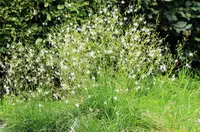
Branched St Bernard's lily, Anthericum ramosum, is a small, clump-forming perennial with narrow, grass-like leaves and airy sprays of white star-shaped flowers. It has a branching flower stem, which gives the plant a light, delicate look above its dense foliage base.

This species is native to dry meadows, open woodlands, and sunny slopes across parts of Europe and western Asia. It is generally undemanding and suits gardeners looking to care for Branched St Bernard's lily in well-drained, moderately fertile soil.

Once established, it tolerates drought fairly well and copes with a range of temperatures, which makes it relatively easy to maintain in suitable outdoor conditions.

Main Plant Requirements

Care Difficulty

Moderate Care

Light Preference

Full Sun

Water Requirements

Moderate Water

Temperature Preference

Cold Hardy

Hardiness Zone

5–8

Soil Texture

Sandy, Loamy, Rocky

Soil pH

Slightly acidic (6.5–7.0), Neutral (7.0)

Soil Drainage

Well-drained

Fertilization

Minimal (feed rarely)

Get Personalized Care Plan

Scan your plant to receive care tips personalized for your specific plant

Available on iOS and Android

How to Care for the Branched St Bernard's lily

This sun-loving perennial prefers open, bright conditions similar to its natural meadow habitats.

  • Provide 6–8 hours of direct sun daily; light morning and midday sun suit Branched St Bernard's lily best in most temperate climates.
  • Tolerates light partial shade, especially in the afternoon, but flowering and compact growth decline if it receives less than about 4 hours of sun.
  • In hot summers, avoid harsh west-facing exposure that can scorch leaves; in winter, ensure plants are not heavily shaded by trees or structures.

This species prefers moderately moist, free-draining soil and does not tolerate waterlogged conditions.

  • Water when the top 3–5 cm of soil feels dry, using local rainfall as a guide rather than a fixed schedule.
  • During active growth in spring and early summer, aim for evenly moist soil, while in late summer and fall allow the surface to dry a bit more between waterings.
  • Signs of excess water include yellowing, soft leaves and a sour soil smell; dry, curling leaves and slow growth suggest Anthericum ramosum needs deeper, more thorough watering.

This hardy perennial copes well with temperate outdoor climates if protected from extreme temperature swings.

  • Optimal growth occurs around 60–75°F (16–24°C), with steady spring and early summer temperatures supporting strong foliage and flower stalk development.
  • Established plants usually survive down to about 0°F (−18°C) in the ground if soil drains well, though young plants benefit from mulch protection in colder regions.
  • Handles short periods above 86°F (30°C) if soil moisture is maintained, but prolonged extreme heat combined with drought can cause leaf tip burn and reduced flowering.

This species is tolerant of typical indoor humidity and does not usually need special humidity management.

This species prefers light, free-draining mineral soil that stays barely moist and never waterlogged.

  • Use a sandy or gritty loam with moderate organic matter, such as 60% garden loam, 20% coarse sand, 20% compost.
  • Ensure rapid drainage by mixing in coarse sand or fine gravel rather than peat-heavy materials that hold water too long.
  • Aim for slightly acidic to neutral pH, around 6.0–7.0, which supports balanced nutrient availability for Anthericum ramosum.
  • Avoid compacted clay, dense potting substrates, or low-lying spots where water stands after rain.

This species can be grown in containers outdoors if given a free-draining, stable setup.

  • Choose a pot that is wider than deep to accommodate the fibrous root system and support its clump-forming habit.
  • Use a heavy or terracotta container if exposed to wind, as the narrow, upright leaves can make the plant top-heavy when mature.
  • Raise the pot on feet or bricks so water can exit quickly and air can circulate around the drainage holes.

Anthericum ramosum grows well in lean soils and only needs modest feeding to support flowering, especially in containers.

  • Use a balanced NPK fertilizer at half strength or a light top-dressing of compost for Branched St Bernard's lily in spring.
  • Feed container-grown plants every 4–6 weeks during the growing season if growth appears weak or flowering declines.
  • Avoid high-nitrogen products that push soft foliage at the expense of flowers; aim for a balanced or slightly lower N formula.
  • Stop feeding in late summer, and do not fertilize in winter dormancy to prevent soft, frost-prone growth.

Pruning Anthericum ramosum is minimal and mainly keeps the clump tidy and flowering well.

  • In late winter or early spring, cut back old, browned foliage at the base with clean hand shears.
  • Remove dead, damaged, or badly spotted leaves during the season to limit disease spread and maintain appearance.
  • Snip off spent flower stalks after flowering to prevent unwanted self-seeding and encourage a neater shape.
  • Avoid cutting fresh green leaves hard, as this can briefly reduce vigor and delay new flower stalks.

This species is usually grown in the ground, but container plants or crowded clumps benefit from occasional transplanting.

  • Check for roots circling the container drainage holes, soil drying very fast, or slowed growth as signs repotting is needed.
  • Move or divide clumps in early spring or early fall, when temperatures are mild and soil moisture is stable.
  • Transplant every 3–5 years, lifting and replanting divisions into well-drained soil at the same depth as before.
  • Water thoroughly after transplanting, then keep soil just moist for 1–2 weeks to limit root stress and encourage re-establishment.

Anthericum ramosum is commonly propagated by division, with seed useful for larger naturalistic plantings.

  • Divide established clumps in early spring or early fall, lifting the plant and teasing apart healthy rooted sections by hand.
  • Replant divisions immediately into well-drained soil or pots, firm gently, and water to settle roots.
  • For seed, sow fresh or stored seed in trays of gritty mix, keeping 60–70°F and lightly moist until germination.
  • Grow seedlings in bright, indirect light and transplant to final positions once roots fill plugs or small pots.

This species is cold hardy in much of the US and usually needs little winter care once established in the ground.

  • Tolerates typical frost in temperate climates; foliage may die back while the rootstock survives.
  • In colder zones or exposed sites, apply a 3–5 cm mulch around the root zone after the ground cools, not touching crowns.
  • For container plants, overwinter in a sheltered, unheated area where soil does not stay waterlogged or freeze solid.

Care Tips

Divide Mature Clumps

Lift and divide overcrowded clumps every 3–5 years in early spring or just after flowering to maintain strong flowering and prevent the center of the clump from dying out.

Deadhead Flower Spikes

Cut spent flower stems back to the base as soon as most blooms fade to direct energy into root and leaf growth and reduce unwanted self-seeding.

Mark Dormant Crowns

Mark the planting spots with a discreet label or stone before winter dormancy so you avoid accidental digging or overplanting in the area when the foliage disappears.

Use Gravel Mulch

Apply a 1–2 in layer of fine gravel or grit around the crowns to keep the neck of the plant dry, suppress weeds, and provide the sharp drainage this species prefers.

Monitor For Slugs

Inspect young shoots in spring and after wet weather and hand-pick slugs or use physical barriers, since early foliage damage can weaken plants and reduce flowering when growing Branched St Bernard's lily outdoors.

Common Pests and Diseases

Rust

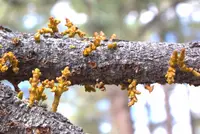
This disease causes small orange to brown pustules on leaves and stems, often leading to early yellowing and leaf drop in clumps grown in humid or crowded sites.

Solution

Remove and discard heavily marked leaves, thin dense clumps to improve air movement, avoid overhead watering, and apply a sulfur or copper-based fungicide if the problem recurs in the same planting area.

Leaf spot

This disease produces scattered brown or purple spots on foliage, sometimes with a pale center, and can weaken plants if wet conditions persist.

Solution

Cut off and destroy affected leaves, water at soil level to keep foliage dry, space plants to dry quickly after rain, and use a labeled ornamental leaf-spot fungicide if new spots continue to appear.

Aphids

These insects cluster on flowering stems and young leaves, sucking sap and causing distortion, sticky honeydew, and sometimes reduced flowering.

Solution

Spray shoots with a firm stream of water to dislodge colonies, encourage ladybirds and lacewings, and, if needed, treat with insecticidal soap or a light horticultural oil, covering both sides of the leaves and repeating after 5–7 days if populations persist.

Slugs and snails

These pests chew irregular holes in young leaves and may graze emerging shoots at soil level, especially in damp, shady plantings.

Solution

Hand-pick at night, reduce hiding places such as dense debris, use iron phosphate slug bait around clumps, and, where possible, plant in slightly raised, well-drained beds to make the area less attractive to them.

Nematode leaf lesions

This disease, caused by microscopic roundworms in the soil, can produce streaks or blotchy patches on leaves and gradual thinning of older clumps in light, sandy soils.

Solution

Remove and dispose of the most affected plants, avoid moving soil or divisions from infested areas, improve soil organic matter to support beneficial organisms, and replant healthy divisions in a different part of the garden if decline continues despite good Anthericum ramosum care instructions.

Interesting Facts

Narrow steppe specialist

This species is native to dry, often calcareous steppe grasslands and rocky slopes across central and eastern Europe, where it is adapted to nutrient-poor, shallow soils that many other perennials cannot tolerate.

Nocturnal pollen timing

The white star-shaped flowers typically open in the afternoon and evening, and shed their pollen mainly at night, a pattern interpreted as an adaptation to moth pollinators in its natural habitats.

Distinctive branched inflorescence

Unlike many similar grassland monocots, this plant carries its flowers on a repeatedly branched, airy flowering stem, which helps separate it in the field from lookalike species such as members of the genus Ornithogalum.

Botan icon

Did you know?

In several European countries, this species is considered regionally threatened or has declined locally because its native steppe and dry meadow habitats have been lost to intensive agriculture and land-use change, making it a useful indicator of relatively undisturbed dry grassland.

FAQs about Branched St Bernard's lily

This species slowly expands by short rhizomes and self-seeding but is not usually aggressive in gardens. In well-managed beds, unwanted seedlings are easy to pull, and clumps can be divided to control size.

Grow Healthy Plants with Botan Care

Keep your plants happy and healthy with plant identification, disease detection, and easy care guidance.

Botan plant care app — identify plants on mobile

Explore More Plants