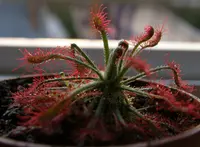
yellow butterwort Care (Pinguicula lutea)

Also known as: yellow-flowered butterwort
yellow butterwort

About yellow butterwort

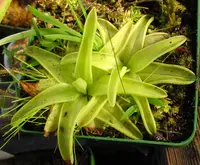
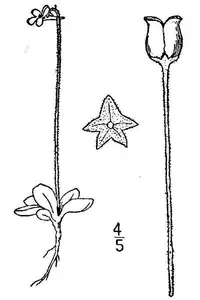
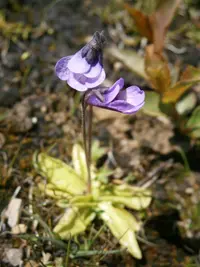
Yellow butterwort (Pinguicula lutea) is a small carnivorous plant that forms a flat rosette of yellow-green, sticky leaves close to the ground. The leaves trap tiny insects, which supply extra nutrients in the nutrient-poor, acidic wetlands where this species naturally occurs in the southeastern United States.

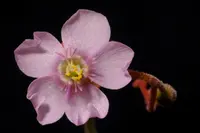
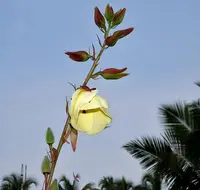
Slender flower stalks rise above the leaves, carrying delicate yellow blooms that appear in spring. The plant’s compact size and specialized needs make it better suited to dedicated growers than casual beginners.

It prefers bright light, consistently damp conditions, and low-mineral, airy substrates. These traits shape how to care for yellow butterwort in cultivation.


Main Plant Requirements

Care Difficulty

Hard Care

Light Preference

Full Sun

Water Requirements

Aquatic

Temperature Preference

Tropical / Frost Sensitive

Hardiness Zone

8–11

Soil Texture

Sandy, Peaty, Organic-rich

Soil pH

Strongly acidic (4.5–5.5)

Soil Drainage

Waterlogged tolerant

Fertilization

Minimal (feed rarely)

Get Personalized Care Plan

Scan your plant to receive care tips personalized for your specific plant

Available on iOS and Android

How to Care for the yellow butterwort

This carnivorous bog species requires bright exposure with careful protection from harsh midday sun.

  • Provide 4–6 hours of direct morning sun plus bright, filtered light the rest of the day; light dappled shade is suitable in hotter climates.
  • In open bogs, avoid intense afternoon sun that can scorch leaves; pale, bleached rosettes indicate excess light, while stretched, floppy leaves signal too little light.
  • Yellow butterwort benefits from slightly more sun in cooler months and a bit more shade in peak summer to prevent heat stress and leaf burn.

This species naturally grows in wet, nutrient-poor bogs and needs consistently moist conditions.

  • Keep the root zone constantly damp in mineral-free water; never allow the surrounding soil to dry out deeper than 1–2 cm.
  • Use sandy, fast-draining, peat-based bog soil so water moves through but remains saturated, avoiding any standing water that becomes stagnant or foul-smelling.
  • During hotter months, increase watering frequency to prevent drooping, dull leaves, and reduce slightly in cooler seasons to avoid blackened, mushy roots from overwatering in Pinguicula lutea.

This warm-temperate carnivorous plant prefers mild to warm conditions with protection from frost and extreme heat.

  • Aim for 70–85°F (21–29°C) for active growth; short periods up to 90°F (32°C) are tolerated if soil stays wet and the site is not in reflected heat.
  • Protect plants from temperatures below 35°F (2°C); light, brief chills may be survived, but hard frost can kill the rosettes and damage roots.
  • Seasonally, growth slows in cooler weather below 60°F (16°C); avoid placing plants where sudden cold snaps or hot, dry winds create rapid swings.

This carnivorous species benefits from consistently humid air to keep leaf surfaces functional for trapping prey.

  • Aim for 60–80% humidity, similar to its bog habitat, for stable growth and reliable leaf stickiness.
  • It tolerates brief dips to 40–50% but prolonged dry indoor air causes curled leaf edges and reduced mucilage.
  • Increase humidity with a nearby open tray of water or grouped plants, not by misting, which can promote leaf rot.

This species requires permanently moist, nutrient-poor, airy media that mimics acidic bog conditions.

  • Use a mix such as 2 parts sphagnum peat moss to 1 part coarse silica sand or perlite to keep roots oxygenated yet wet.
  • Ensure the mix is free of added fertilizers and wetting agents, which can burn carnivorous roots and disrupt nutrient-poor conditions.
  • Target acidic conditions around pH 4.5–6.0, as neutral or alkaline media can reduce nutrient uptake and overall vigor.
  • Keep the soil saturated but not stagnant by allowing water to move through the potting mix rather than compacting into a dense mass.

This species can be grown in containers if the setup replicates shallow, constantly moist bog conditions.

  • Choose a wide, shallow pot to match the shallow root system and maintain even surface moisture across the rosette zone.
  • Use a stable, heavier container if outdoors, since saturated media and top growth can make lightweight pots tip in wind.
  • Select plastic or glazed ceramic rather than porous clay to slow evaporation and keep the bog-style mix evenly wet.

This carnivorous species gains most nutrients from trapped insects, so fertilizer use must be minimal and highly diluted.

  • Use a very weak balanced liquid NPK fertilizer at 1⁄8–1⁄4 strength, no more than once every 4–6 weeks in active growth.
  • Apply only to the soil surface or tray water, never directly on the leaves of yellow butterwort.
  • Skip feeding in winter dormancy or when growth slows noticeably.
  • Avoid compost and slow-release products, which can burn roots and disrupt the low-nutrient substrate.

Pinguicula lutea needs only light grooming rather than structural pruning.

  • Best time for cleanup is late winter to early spring, before strong new growth.
  • Gently remove dead, blackened, or mushy leaves with tweezers or fingers to limit mold and rot.
  • Snip spent flower stalks at the base with small scissors to redirect energy to leaf growth.
  • Avoid cutting healthy leaves, since they are the main photosynthetic and insect-trapping surface.

Container-grown plants benefit from careful transplanting into fresh, low-nutrient media when growth declines.

  • Check for slow growth, media breakdown, or roots circling drainage holes as signals to transplant.
  • Plan to move plants every 1–2 years in late winter or very early spring, just before new growth accelerates.
  • Use a shallow pot with fresh, airy mix such as 1:1 sphagnum peat and sand, keeping roots shaded and moist during the move.
  • Handle the root ball gently, avoid compressing the medium, and water with low-mineral water to settle roots and reduce stress.

This species is usually propagated by seed or leaf pullings under consistently moist, bright, but not harsh, conditions.

  • Sow fresh seeds in late winter to spring on the surface of a peat–sand mix, without covering, under high humidity and bright filtered light.
  • Keep substrate evenly damp with low-mineral water at 65–75°F to support steady germination.
  • For leaf pullings, gently detach outer leaves with a bit of white base tissue and lay them on moist media.
  • Maintain good air movement and diffuse light to reduce fungal problems while new plantlets form.

This North American carnivorous plant is adapted to mild winters but dislikes hard freezes, especially in containers.

  • In USDA zones warmer than 8, in-ground plants usually overwinter without extra measures on sites that drain well.
  • Apply a light, airy mulch around but not over the crown to buffer temperature swings in marginal climates.
  • Move potted plants indoors or into a frost-free, bright, cool space when temperatures near 32°F are forecast.

Care Tips

Tray water method

Use a shallow tray with 1–2 cm of rainwater or distilled water under the pots during active growth, then let the tray dry for a short period before refilling to mimic the plant’s natural cycle of saturated but briefly draining conditions.

Insect feeding strategy

Position plants outdoors or near open windows during warm months so small flying insects can land on the leaves naturally, and avoid manual feeding with large insects that can rot on the leaf surface.

Seasonal dormancy cue

In late fall, gradually reduce water depth in the tray and allow slightly drier intervals and cooler conditions so the plant can form tighter, smaller leaves that indicate dormancy rather than forcing constant lush growth.

Algae and moss control

If algae or moss overrun the pot surface, top-dress with a thin layer of fresh, rinsed silica sand to reduce competition and keep the leaf surface cleaner for efficient prey capture.

Low‑nutrient repotting

Repot every 1–2 years into fresh, nutrient-poor media and gently rinse old media from roots in pure water, which helps prevent mineral buildup and supports long-term stability when caring for yellow butterwort.

Common Pests and Diseases

Fungus gnats

These insects are attracted to constantly wet carnivorous media and lay eggs that develop into larvae feeding in the top layer of the substrate. Symptoms include tiny black flies around pots and slower growth in stressed plants.

Solution

Allow only the surface layer of the medium to dry slightly between waterings while keeping the overall tray water level low, then use yellow sticky traps to catch adults. If larvae are present, apply a biological control such as Bacillus thuringiensis israelensis (BTI) in the water and reduce organic material in the mix for long-term Pinguicula lutea plant care.

Botrytis blight

This disease causes soft, watery leaf spots that quickly turn brown and may show a gray, fuzzy mold, especially in cool, stagnant conditions. Symptoms include sudden collapse of individual leaves and a musty odor near the plant.

Solution

Remove and discard all affected leaves and increase air movement around the rosette by spacing plants and providing gentle ventilation. Keep foliage drier by avoiding overhead splashing, and if needed use a sulfur-based or other carnivorous-safe fungicide applied carefully to the affected area only.

Leaf spot fungi

This disease appears as small, water-soaked specks on leaves that expand into brown or black spots with yellowish halos under persistently damp conditions. Symptoms include disfigured leaves that lose their sticky surface and reduced insect capture.

Solution

Trim and discard affected leaves, then improve light and airflow so foliage dries more quickly after watering. Avoid fertilizing or adding rich organic material that encourages fungal growth, and if spots keep spreading, apply a mild, low-copper fungicide formulated for sensitive species at reduced strength on a test plant first.

Aphids

These insects feed on the tender central leaves and flower stalks, sucking sap and causing distortion, stunting, and sticky honeydew deposits. Symptoms include curled young leaves, misshapen flowers, and a decline in new growth.

Solution

Rinse the plant gently with distilled or rainwater to dislodge colonies, then remove remaining insects with a soft brush or cotton swab. If populations persist, use an insecticidal soap or horticultural oil at low concentration tested on a single plant first, avoiding overspray on the delicate leaf surface.

Algal and moss overgrowth

This problem occurs in nutrient-poor, constantly wet media where algae and moss slowly cover the soil and can creep up to the leaf bases. Symptoms include a dense green surface layer that competes for light, traps excess moisture, and reduces gas exchange at the crown.

Solution

Mechanically scrape away the top infested layer of medium and replace it with a fresh, low-nutrient mix such as sand with a small amount of peat or similar material. Reduce standing water depth in trays, increase light and airflow, and repot every 1–2 years to keep the crown clear and avoid smothering of the plant base.

Interesting Facts

Bog specialist butterwort

This carnivorous species is native to the southeastern United States and is strongly associated with nutrient-poor, sandy bogs and pine savannas where the water table stays high and soils are acidic.

Seasonal leaf dimorphism

It produces broad, sticky, insect-trapping summer leaves and then shifts to smaller, non-carnivorous overwintering leaves, an adaptation that helps it conserve resources during cooler, drier periods.

Distinct yellow flowers

Unlike many temperate butterworts that have purple or blue flowers, this species bears bright yellow, spurred blooms held well above the leaves, which helps keep pollinators away from trapped insects on the leaf surface.

Botan icon

Did you know?

The flower stalk of this species grows from the center of the rosette and is thought to function as a physical separation between pollination and prey capture, reducing the chance that its insect pollinators are accidentally trapped on the sticky leaves.

FAQs about yellow butterwort

This species performs best outdoors in mild, humid climates where it can catch natural prey and experience bright light. Indoors it is challenging long term; successful yellow butterwort indoor care usually requires high humidity, strong lighting, and careful watering.

Grow Healthy Plants with Botan Care

Keep your plants happy and healthy with plant identification, disease detection, and easy care guidance.

Botan plant care app — identify plants on mobile

Explore More Plants