Common butterwort Care (Pinguicula vulgaris)

Common butterwort

About Common butterwort

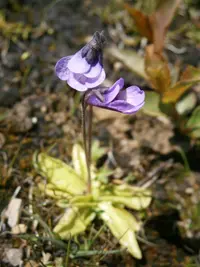
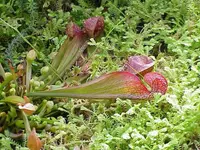
Common butterwort (Pinguicula vulgaris) is a small, temperate carnivorous plant that forms a flat rosette of soft, sticky leaves close to the ground. The leaves trap tiny insects, which supply extra nutrients in low-fertility habitats.

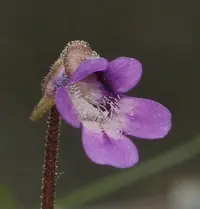
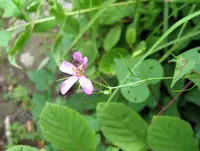
In nature it grows in cool, wet areas such as bogs, fens, and damp rock ledges across northern and central Europe and parts of North America. It produces slender stems with delicate purple flowers held above the leaves.

This species prefers bright, indirect light, constant moisture, and low-mineral, acidic substrates. It can be challenging for beginners because it dislikes hard tap water and nutrient-rich soils, so it helps to learn how to care for Common butterwort before growing it indoors or in outdoor bog gardens.


Main Plant Requirements

Care Difficulty

Hard Care

Light Preference

Partial Sun

Water Requirements

Aquatic

Temperature Preference

Cool Climate

Hardiness Zone

3–7

Soil Texture

Sandy, Peaty, Organic-rich

Soil pH

Strongly acidic (4.5–5.5)

Soil Drainage

Waterlogged tolerant

Fertilization

Minimal (feed rarely)

Get Personalized Care Plan

Scan your plant to receive care tips personalized for your specific plant

Available on iOS and Android

How to Care for the Common butterwort

This carnivorous bog plant prefers bright, cool light with some protection from intense midday sun.

  • Provide 4–6 hours of direct morning sun plus bright, filtered light the rest of the day, especially in open, boggy sites where it grows naturally.
  • Allow light partial shade in the hottest afternoon hours to prevent leaf scorching and drying of the sticky leaf surface on Common butterwort.
  • In summer, increase filtered light rather than direct sun; in shorter winter days, ensure an open, unobstructed sky to avoid weak, elongated growth.

This species evolved in saturated bogs, so moisture levels must stay consistently high without stagnant, foul water.

  • Keep the soil consistently wet to very moist, never letting more than the top 0.5–1 cm lose sheen; standing water around the roots should be clean and low in minerals.
  • Use rainwater, distilled, or reverse-osmosis water for Pinguicula vulgaris to avoid mineral buildup that can damage roots and reduce leaf stickiness.
  • In cooler months, allow the surface to look just damp rather than flooded, and watch for stress signs: limp, pale leaves from overwatering vs. crisp, curling leaves from drying.

This cold-hardy carnivorous plant prefers cool conditions and tolerates substantial seasonal temperature changes.

  • Support active growth with temperatures around 55–70°F (13–21°C), which match cool summer conditions in its native bog and fen habitats.
  • The plant survives winter dormancy down to about 5–20°F (-15 to -6°C) under snow or mulch, but exposed crowns can be damaged by repeated freeze–thaw cycles.
  • Heat above 80°F (27°C) can stress leaves; in hot spells, increase air movement, keep the root zone cool and wet, and protect from scorching sun.

This species prefers steady, moderately high humidity for stable trap function.

  • Aim for 50–70% humidity; brief dips lower are tolerated if roots stay consistently moist.
  • Dry indoor air causes leaf curling, dull sticky surfaces, and reduced insect capture efficiency.
  • Increase humidity with a nearby open-water tray, grouped plants, or a small humidifier, but keep foliage well ventilated to prevent fungal issues on Common butterwort.

This carnivorous species needs low-nutrient, porous, constantly moist soil.

  • Use a mix such as 2 parts sphagnum peat to 1 part coarse sand or perlite for an open, airy texture.
  • Ensure the substrate drains freely yet stays evenly damp; avoid any mix that compacts into a dense mass.
  • Keep pH on the acidic side, roughly 4.5–6.5, and exclude fertilizers, compost, or manured components entirely.
  • Rinse new sand or perlite before mixing to reduce dissolved minerals, which Pinguicula vulgaris roots are sensitive to.

This species is suitable for container growing when moisture and mineral buildup are carefully controlled.

  • Choose a wide, shallow pot that allows surface rosettes to spread while limiting deep, stagnant water zones.
  • Use plastic or glazed ceramic containers to retain moisture but provide ample drainage holes to prevent waterlogging.
  • Flush the pot thoroughly with low-mineral water periodically to remove accumulated salts that stress the shallow roots.

This carnivorous species gains most nutrients from prey, so Common butterwort needs only very light supplemental feeding, if any.

  • If growth seems weak, use a very dilute (1/4 strength or less) balanced NPK fertilizer, never slow‑release pellets or compost.
  • Apply at most once every 4–6 weeks in the active growing season, targeting the soil, not the leaves.
  • Avoid feeding during winter dormancy, when the plant rests and nutrient demand is low.

Pinguicula vulgaris needs minimal pruning, mainly to keep the rosette tidy and healthy.

  • Best time is late winter or very early spring, before strong new growth starts.
  • Gently remove dead, blackened, or moldy leaves to limit rot and fungal issues.
  • Snip spent flower stalks at the base with small, clean scissors to direct energy back to leaf growth.
  • Avoid heavy cutting that disturbs the small crown, which can slow recovery.

This carnivorous plant dislikes frequent disturbance, so repotting or transplanting is done only when clearly needed.

  • Look for roots circling the pot, medium breaking down, or declining growth as signs it needs fresh substrate.
  • Plan repotting or outdoor transplanting for early spring, just before or as new growth begins.
  • Typical frequency is every 2–3 years, using a low‑nutrient mix such as peat with sand or perlite.
  • Handle the root ball gently, keep it slightly moist, and shade the plant for a few days to reduce transplant stress.

Pinguicula vulgaris is commonly propagated in cultivation but benefits from careful handling and stable conditions.

  • Leaf pullings taken in late winter or early spring root well on damp, low‑nutrient mix under bright, indirect light.
  • Gently detach healthy outer leaves with a bit of basal tissue, lay them flat, and keep humidity high but not waterlogged.
  • Division of clumps at repotting is possible, separating rosettes with intact roots.
  • Seed propagation needs cool, moist stratification and can be slow, so it suits patient growers.

This species is naturally cold hardy, but potted plants benefit from thoughtful winter care in many climates.

  • Hardy to freezing conditions when grown in the ground, forming a tight winter rosette.
  • In cold regions, add a light mulch around outdoor plants to buffer soil temperature swings.
  • Move containers to a cold but frost‑free, bright location, such as an unheated room or garage window.
  • Keep the medium just barely moist in winter to avoid rot during dormancy.

Care Tips

Insect Feeding Schedule

Offer small, soft-bodied insects such as fruit flies or tiny gnats every 1–2 weeks during active growth if natural prey is scarce, placing only a few insects at a time so the leaves are not overloaded and can fully digest them.

Winter Dormancy Setup

Provide a cool, bright dormancy at 35–50°F for 3–4 months by moving plants to an unheated but frost-free space and keeping the substrate just barely moist, which helps maintain long-term vigor and flowering.

Use Rainwater Trays

Stand pots in shallow trays filled with rainwater or distilled water, then let the tray dry for a short period before refilling, which stabilizes moisture without disturbing the delicate roots and leaves.

Substrate Surface Management

Remove moss and algae from the substrate surface with blunt tweezers every few weeks to prevent smothering of the crown and to keep the leaf surface clean for effective insect capture.

Container Size Control

Grow plants in relatively small, shallow containers and repot only when the rosette reaches near the pot edge, which maintains high oxygen in the root zone and reduces the risk of stagnant, anaerobic conditions when caring for Common butterwort.

Common Pests and Diseases

Fungus gnats

These insects are attracted to wet carnivorous media and their larvae can chew on fine roots and the plant base. Symptoms include tiny black flies around the pot and declining vigor in wet conditions.

Solution

Allow the tray to dry briefly between waterings while keeping the medium moist, use clean rain or distilled water, and remove algae or surface debris. Apply a biological control such as Bacillus thuringiensis israelensis (BTi) in the water and use yellow sticky traps to reduce adult numbers as part of broader Pinguicula vulgaris plant care.

Basal crown rot

This disease affects the plant’s crown where leaves meet the roots, often under constantly saturated, low-oxygen conditions. Symptoms include a soft, brown, collapsing center and foul-smelling tissue at the plant base.

Solution

Immediately remove and discard affected plants and any surrounding decomposing material, and improve drainage by using a more open, low-organic carnivorous mix. Maintain cool conditions, avoid stagnant warm water, and keep water level just below the crown rather than over it.

Botrytis gray mold

This disease develops on old, dead, or constantly wet leaves, especially in cool, still air. Symptoms include fuzzy gray mold on spent leaves and eventual spread to healthy tissue if not removed.

Solution

Promptly remove faded or dead leaves and increase air movement around the plant while keeping humidity moderate. Avoid overhead watering, keep leaves as dry as practical, and if necessary isolate the plant and apply a targeted fungicide labeled for ornamental use, following product directions carefully.

Aphids

These insects feed on tender leaves and flower stalks, sometimes distorting new growth and weakening the plant, especially during the growing season. Symptoms include sticky honeydew, misshapen leaves, and clusters of small soft-bodied insects on stems or buds.

Solution

Rinse the plant gently with soft water to dislodge insects, then manually remove remaining clusters with a cotton swab if needed. If the infestation persists, use a mild insecticidal soap or horticultural oil applied carefully to avoid pooling in the crown, and repeat at intervals until no new aphids appear.

Interesting Facts

Northern insect specialist

This species is native to cool, wet habitats across northern and montane regions of Europe, Asia, and North America, where it grows in nutrient-poor bogs, fens, and flushes that many other flowering plants cannot tolerate.

Dual leaf strategy

Its summer leaves are flat, sticky traps for small insects, but in winter it forms tight, non-carnivorous buds called hibernacula that help it survive freezing conditions in subarctic climates.

Distinctive violet flowers

The plant produces solitary, violet to purple flowers on slender stalks in late spring to early summer, and the flower color and spur shape help separate it from closely related butterwort species in the field.

Botan icon

Did you know?

Pinguicula vulgaris is one of the few carnivorous plants that naturally occurs above the Arctic Circle, where it endures long, cold winters and very short growing seasons by compressing its entire aboveground body into a compact overwintering bud.

FAQs about Common butterwort

Lack of flowers often comes from insufficient winter rest, light that is too low, or nutrient buildup from fertiliser. Provide a cool, bright winter, very low minerals in water and substrate, and avoid feeding except with small insects.

Grow Healthy Plants with Botan Care

Keep your plants happy and healthy with plant identification, disease detection, and easy care guidance.

Botan plant care app — identify plants on mobile

Explore More Plants