


Contain Spreading Habit
Grow this plant in baskets, pond pots, or walled margins so its fast creeping stems cannot root freely into soil or natural waterways and become invasive.

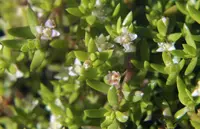
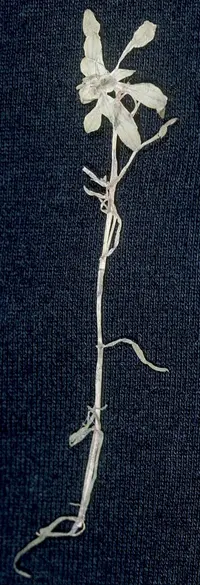
Swamp stonecrop, Crassula helmsii, is a small, succulent aquatic or marginal plant that often forms dense, low mats. Its narrow, fleshy leaves and fine stems can grow submerged, floating, or on damp soil along pond edges and wetlands.
This species is native to Australia and New Zealand but is widely naturalized in parts of Europe and the UK, where it can spread vigorously. Its strong growth and tolerance of cool water and poor soils make it robust but potentially invasive outdoors.
It prefers high light, constant moisture, and nutrient-poor substrates. Understanding these traits helps plant owners know how to care for swamp stonecrop in controlled garden or container settings.

Care Difficulty
Moderate Care

Light Preference
Full Sun

Water Requirements
Aquatic

Temperature Preference
Cool Climate

Hardiness Zone
6–9

Soil Texture
Loamy, Silty, Organic-rich

Soil pH
Slightly acidic (6.5–7.0), Neutral (7.0)

Soil Drainage
Waterlogged tolerant

Fertilization
Minimal (feed rarely)
Scan your plant to receive care tips personalized for your specific plant
Available on iOS and Android
Crassula helmsii thrives with consistent bright light and benefits from some direct sun.
Crassula helmsii is adapted to wet conditions but still reacts to extremes in moisture.
This species is cold-tolerant but grows fastest in mild, stable temperatures.
Humidity is rarely limiting for this amphibious species when grown in very wet or submerged conditions.
This aquatic succulent prefers saturated to submerged conditions rather than typical potting soil environments.
This species is suitable for containers such as pond baskets, tubs, or water bowls in outdoor water features.
Crassula helmsii is low-nutrient adapted, so use light feeding only to support container growth during the main growing season.
Pruning Crassula helmsii controls spread, maintains shape, and keeps stems healthy in ponds, margins, or containers.
This species is more often transplanted in ponds or boggy areas than repotted, and usually tolerates disturbance well.
Crassula helmsii is commonly propagated for aquatic or bog gardens through simple vegetative methods.
Crassula helmsii is fairly cold hardy in many temperate regions, but container plants may need some winter attention.

Plant Health Check
Not sure what's wrong with your plant? Check your plant's health inside the app.
This species can live fully submerged under water, partially emergent, or completely on damp soil, changing its leaf length and stem thickness to match the water level.
Native to Australia and New Zealand, it has become a serious invasive aquatic weed in parts of Western Europe, where dense mats block light, alter oxygen levels, and outcompete native wetland plants.
Although it produces small white flowers and seeds, in invaded regions it spreads mainly through tiny stem fragments that root easily and tolerate cutting, trampling, and fluctuating water levels.

This species can survive desiccation of its upper shoots and still regrow from small, moist stem sections buried in mud, which makes complete eradication from invaded ponds and ditches particularly challenging once it is established.
This species spreads very quickly by stems and fragments, especially in wet soil or shallow water. In many regions it is classed as invasive and should be contained carefully and never allowed to escape into natural waterways.
Keep your plants happy and healthy with plant identification, disease detection, and easy care guidance.

California butterwort
Pinguicula macroceras
Euphorbia lophogona
Euphorbia lophogona
Pondo Bladderwort
Utricularia sandersonii
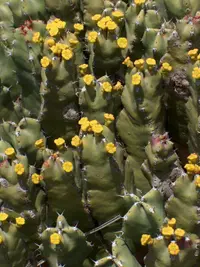
Resin spurge
Euphorbia resinifera
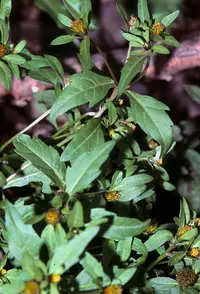
purplestem beggarticks
Bidens connata
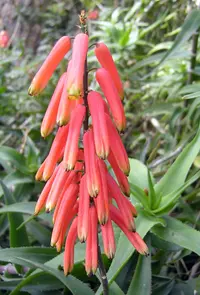
Common Climbing Aloe
Aloiampelos ciliaris
 POPULAR
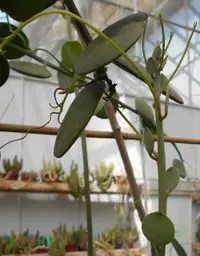
Silver Dollar Vine
Xerosicyos danguyi
twoheaded water-starwort
Callitriche heterophylla