twoheaded water-starwort Care (Callitriche heterophylla)

Also known as: Large Water-starwort, Two-edged Water-starwort
twoheaded water-starwort

About twoheaded water-starwort

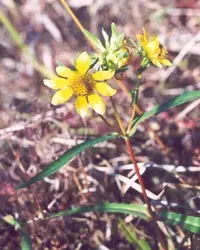
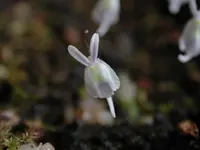
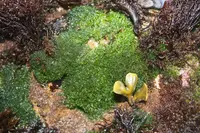
Twoheaded water-starwort, Callitriche heterophylla, is a small aquatic plant that usually forms low, bright green mats in shallow, slow-moving or still water. Its leaves are narrow and submerged or slightly broader and floating near the surface, giving a fine, delicate texture. This species occurs widely in North America in ponds, ditches, wetlands, and quiet edges of streams, where water is relatively clean and stable. It can be moderately easy to grow in aquatic setups if water quality is good and competition from aggressive species is limited. Those learning how to care for twoheaded water-starwort should know it prefers consistent moisture, gentle water movement, and a substrate that does not stir up excessive sediment.

Main Plant Requirements

Care Difficulty

Moderate Care

Light Preference

Partial Sun

Water Requirements

Aquatic

Temperature Preference

Cool Climate

Hardiness Zone

3–9

Soil Texture

Sandy, Loamy, Silty

Soil pH

Slightly acidic (6.5–7.0), Neutral (7.0)

Soil Drainage

Waterlogged tolerant

Fertilization

Minimal (feed rarely)

Get Personalized Care Plan

Scan your plant to receive care tips personalized for your specific plant

Available on iOS and Android

How to Care for the twoheaded water-starwort

This aquatic species thrives in bright, open conditions but is sensitive to intense drying sun.

  • Provide 4–8 hours of sun, ideally morning or early afternoon light with minimal shading from taller plants.
  • Tolerates partial shade, especially in summer; in hot regions, protect from harsh sun between 1–4 p.m. to prevent leaf scorch and excess water warming.
  • If stems elongate, leaves pale, or mats thin out, light is likely too low for twoheaded water-starwort and exposure should be increased.

Callitriche heterophylla is an obligate aquatic plant that needs consistently flooded conditions rather than periodic watering.

  • Maintain water levels so plants stay fully or mostly submerged; do not allow the substrate to dry out or even become visibly exposed for more than short periods.
  • Use slow-moving or still water with fine, silty or sandy substrate; avoid strong currents that uproot plants or stir heavy sediment, which can smother foliage.
  • Signs of stress from poor water conditions include yellowing, decaying leaves, foul odor, or algae overgrowth, often indicating excess nutrients, stagnation, or contamination.

This species prefers cool to mild water and air temperatures and is sensitive to hard freezes and overheating.

  • Optimal growth occurs around 60–75°F (16–24°C), typical of spring and early summer conditions in temperate ponds and slow streams.
  • Plants usually tolerate down to about 32°F (0°C) if water does not freeze solid, but severe, prolonged ice cover can damage or kill submerged shoots.
  • During hot spells above 82–86°F (28–30°C), deeper or shaded water helps prevent overheating, which can lead to reduced vigor and faster breakdown of organic matter.

This aquatic species is flexible but grows best with consistently high ambient humidity around 60–80%.

  • Tolerates brief dips to 40–50% humidity if roots remain submerged, but foliage may thin over time.
  • Low humidity stress appears as slower shoot elongation, fine leaf tip browning, and reduced new submerged leaves.
  • Increase humidity by using covered or partially covered aquatic setups, grouping water containers, or adding gentle surface aeration to limit evaporation stress.

Callitriche heterophylla thrives rooted in fine, waterlogged substrates rather than typical potting soil.

  • Use a 3:2:1 mix of washed sand, fine gravel, and a thin layer of composted organic matter to create a stable, silt-like bed.
  • Aim for neutral to slightly acidic conditions, roughly pH 6.0–7.2, which support nutrient availability without stressing roots.
  • Keep the substrate permanently submerged or very saturated, avoiding any setup where it can dry or become compacted like clay.
  • Improve aeration in deeper containers by layering coarse gravel under the finer mix to reduce anoxic, sulfur-smelling zones.

This species is suitable for containers in ponds, tubs, or aquaria when water depth and spread are managed.

  • Choose wide, shallow baskets or trays so stems can spread horizontally without shading each other excessively.
  • Secure the substrate with a thin gravel cap to prevent sand and organics from floating or clouding the water when disturbed.
  • Place containers away from strong water currents that can uproot the fine root system while still allowing gentle circulation.

This aquatic native needs very modest feeding, especially when grown in a natural or lightly stocked pond.

  • Use a dilute balanced aquatic fertilizer (for example 10-10-10) at 1/4 strength during peak growth in spring–summer if leaves look pale or growth is weak.
  • Apply liquid nutrients to the water column, avoiding direct contact with foliage to limit algae growth.
  • Skip feeding in fall–winter when growth slows and the plant is partially dormant.
  • In low‑nutrient aquaria, caring for twoheaded water-starwort can include occasional root tabs near dense mats, but monitor water quality.

Callitriche heterophylla benefits from light pruning to manage spread and maintain healthy growth in ponds or aquaria.

  • Trim during active growth in spring–summer to thin crowded mats and keep stems from shading other plants.
  • Remove dead, decaying, or damaged stems with sharp aquascaping scissors to reduce rot and maintain water quality.
  • Shorten excessively long shoots to encourage branching and a denser, neater appearance.
  • Siphon out cut fragments so they do not decompose in place or clog filters.

This species is usually grown free-floating or loosely rooted, so transplanting is more relevant than traditional repotting.

  • Transplant when mats become too dense, growth slows, or roots form tight tangles around small weights or baskets.
  • Best timing is spring–early summer, when Callitriche heterophylla is actively growing and recovers quickly.
  • Every 1–2 years, lift sections gently, divide into smaller clumps, and re-anchor in fresh, fine aquatic substrate if rooting is desired.
  • Handle stems and roots carefully, keep them submerged during moves, and avoid drastic changes in water temperature or chemistry to reduce stress.

This aquatic plant is commonly propagated by vegetative division in ponds and aquaria.

  • During spring–summer, cut healthy stem sections with several nodes and gently press them into shallow, fine substrate or let them float until they root.
  • Divide dense mats by tearing or cutting into smaller clumps, each with roots and shoots, then replant in the desired area.
  • Provide stable water temperature, moderate light, and low–moderate current to support rooting and establishment.
  • Seed propagation is possible in naturalistic setups but is slower and less predictable than division.

In most temperate climates this aquatic native is cold hardy and needs little specific winter care in ponds.

  • Hardy plants in outdoor ponds usually overwinter underwater, with growth slowing but roots and submerged foliage surviving frost.
  • In shallow or container ponds that may freeze solid, move a portion of Callitriche heterophylla to a deeper ice‑free area or indoor tank.
  • Avoid sudden temperature swings indoors; maintain cool, stable water and moderate light so the plant rests without rotting.

Care Tips

Water movement management

Use a small pump or gentle air stone to create slow water movement, which helps prevent algae buildup on leaves and keeps fine stems from matting on the surface.

Substrate anchoring

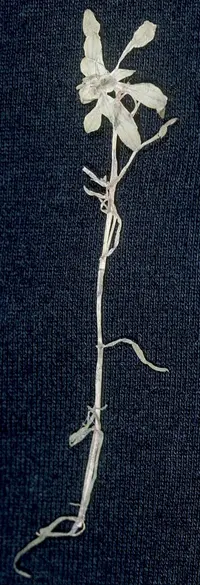
Press small, clean gravel or sand lightly over the root zone so the delicate plants stay anchored and form dense mats instead of floating away or uprooting during water changes.

Partial water changes

Perform frequent small water changes (10–20% weekly) rather than large, infrequent ones to maintain stable water chemistry and avoid stressing this fine-stemmed aquatic plant.

Light gradient planting

Plant more densely in brighter zones and leave thinner patches in shadier or deeper areas so growth forms a natural gradient that reduces self-shading and improves oxygen exchange around the foliage.

Algae competition strategy

Introduce fast-growing, non-invasive companion aquatics and avoid overfeeding fish to reduce excess nutrients, which helps this species outcompete filamentous algae while growing twoheaded water-starwort in aquaria or ponds.

Common Pests and Diseases

Algal overgrowth

Symptoms include submerged leaves and stems being smothered by green, filamentous or slimy growth, leading to reduced light and poor vigor. This problem is common in nutrient-rich, slow-moving or still water where Callitriche heterophylla grows densely.

Solution

Reduce nutrient load by limiting fertilizer runoff, performing partial water changes, and removing decaying organic matter. Manually remove algae from plant mats, increase water movement or shading if possible, and, in managed ponds or aquaria, use appropriate algal control methods that are safe for aquatic plants and wildlife.

Aquatic snails

These insects are actually mollusks that rasp soft leaf tissue, creating small holes, transparent patches, and ragged edges on submerged leaves. Damage is often most visible on younger, more tender growth of twoheaded water-starwort.

Solution

Hand-pick snails from accessible areas and remove egg clusters from stems and hard surfaces. In contained systems, introduce natural predators such as snail-eating fish where appropriate, reduce excess feeding that supports snail populations, and provide physical barriers like fine mesh screens to limit access from surrounding water bodies.

Aquatic leaf-mining larvae

This pest consists of small insect larvae that tunnel within the soft submerged leaves, leaving pale, winding trails and weakened tissue. Affected leaves may collapse or disintegrate more quickly, thinning dense mats of the plant.

Solution

Trim and remove heavily mined leaves to physically remove larvae from the system. Encourage or introduce natural predators such as small insectivorous fish where compatible, and reduce overcrowding of plant mats to make inspection and removal of damaged material easier.

Epiphytic biofilm

This disease-like condition involves a dense layer of bacteria, diatoms, and microalgae coating leaves and stems, giving them a cloudy, slimy, or brownish appearance. Symptoms include reduced photosynthesis, slower growth, and more rapid decline of older stems.

Solution

Increase gentle water movement to prevent stagnant zones, and thin overly dense stands to improve light penetration and circulation. Regularly remove excess organic debris, avoid overfertilization, and in aquaria or controlled ponds, add appropriate filter media or grazers (such as certain shrimp or snails) that feed on surface films without heavily damaging the plant.

Submerged leaf blight

This disease presents as small translucent spots on submerged leaves that expand into brown, necrotic patches, often starting on older foliage in warm, nutrient-rich water. Affected leaves may detach and break down rapidly, reducing plant coverage.

Solution

Remove and discard visibly affected leaves and thin dense patches to improve circulation and reduce organic buildup. Avoid overloading the water with nutrients, improve filtration where feasible, and, in managed systems, rotate water sources or slightly lower water temperature if possible to discourage pathogen development while maintaining conditions suitable to grow Callitriche heterophylla.

Interesting Facts

Amphibious leaf forms

This species shows pronounced heterophylly, producing tiny, crowded submerged leaves and broader floating rosettes at the water surface, allowing it to function efficiently in both underwater and air-exposed conditions.

Wintergreen seed bank

In many temperate regions it overwinters mainly as seeds in the sediment rather than as adult plants, re-establishing dense populations each spring when water levels and temperature become favorable.

Fine sediment specialist

It often reaches highest abundance in quiet ponds, ditches, and slow streams with fine, organic-rich substrates, where its dense mats help stabilize soft sediments and provide microhabitat for aquatic invertebrates.

Botan icon

Did you know?

Genetic and morphological studies have shown that what was once treated as a single, broadly defined twoheaded water-starwort complex actually contains several closely related lineages, and some North American plants formerly placed in this species have been reassigned to distinct taxa as its taxonomy has been clarified.

FAQs about twoheaded water-starwort

This species can spread quickly by floating stems and abundant seed, especially in still or slow-moving water. In managed ponds, control it by regular thinning, removing excess mats, and preventing fragments from drifting into unwanted areas.

Grow Healthy Plants with Botan Care

Keep your plants happy and healthy with plant identification, disease detection, and easy care guidance.

Botan plant care app — identify plants on mobile

Explore More Plants