Nodding Bur-marigold Care (Bidens cernua)

Also known as: nodding beggartick
Nodding Bur-marigold

About Nodding Bur-marigold

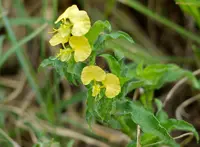
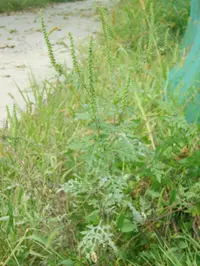
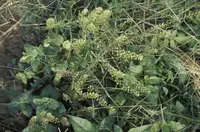
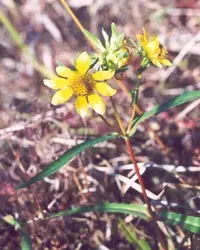
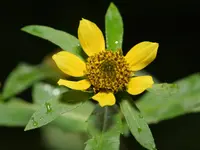
Nodding bur-marigold (Bidens cernua) is an annual wildflower in the aster family, commonly found along pond edges, ditches, and slow streams. It forms upright, branching stems with narrow, toothed leaves and distinctive yellow, nodding flower heads that bend downward as they mature.

This species is native to North America and parts of Europe and thrives in wet, even waterlogged, soils. It often self-seeds freely and can form dense patches where conditions are suitable.

For those who want to care for Nodding Bur-marigold, it generally prefers full sun, consistent moisture, and nutrient-rich, muddy or silty substrates, similar to natural wetland margins.

Main Plant Requirements

Care Difficulty

Moderate Care

Light Preference

Full Sun

Water Requirements

Aquatic

Temperature Preference

Cold Hardy

Hardiness Zone

3–8

Soil Texture

Loamy, Silty, Organic-rich

Soil pH

Acidic (5.5–6.5), Slightly acidic (6.5–7.0)

Soil Drainage

Waterlogged tolerant

Fertilization

Minimal (feed rarely)

Get Personalized Care Plan

Scan your plant to receive care tips personalized for your specific plant

Available on iOS and Android

How to Care for the Nodding Bur-marigold

This wetland annual thrives in full sun but tolerates light shade in hot regions.

  • Provide 6–8 hours of direct sun daily; 4–6 hours is acceptable if mornings are bright and afternoons lightly shaded.
  • Site Nodding Bur-marigold where taller plants or grasses give partial shade after 2–3 pm in hot summers to reduce leaf scorch and moisture loss.
  • In shorter-day seasons, avoid dense shade from shrubs or buildings, since prolonged low light leads to weak, floppy stems and reduced flowering.

This species naturally grows in saturated soils and needs consistently moist conditions.

  • Aim for soil that stays damp to the touch from surface to 5–8 cm depth, without drying out between waterings.
  • In ponds, ditches, or bog gardens, allow Bidens cernua to sit in shallow standing water; in soil beds, use heavy, organic, slow-draining substrates.
  • Watch leaves: wilting, dull foliage, or crisp edges indicate underwatering, while foul-smelling, blackened stems suggest prolonged water stagnation without oxygen.

This plant prefers cool to warm conditions and tolerates typical outdoor temperature swings in temperate climates.

  • Optimal growth occurs around 65–80°F (18–27°C), especially during the main growing season from late spring to early fall.
  • Plants tolerate heat up to about 90°F (32°C) if roots stay wet; higher temperatures with dry soil cause stress, stunting, and reduced flowering.
  • Frost around 30–32°F (-1–0°C) usually kills top growth, as Bidens cernua is an annual; seeds survive winter cold well below freezing and germinate in spring.

Humidity is rarely limiting for this wetland species if soil moisture is kept high.

  • Performs well at 40–70% humidity when the root zone stays constantly moist or shallowly flooded.
  • Tolerates dry air, but foliage may scorch faster in full sun if soil is allowed to dry.
  • Low humidity stress shows as crisp leaflet edges and premature browning of lower leaves.
  • If air is very dry and hot, reduce stress by keeping containers in water trays or near other moisture-loving plants.

Bidens cernua naturally grows in saturated, nutrient-rich soils and adapts best to similar conditions in cultivation.

  • Use heavy loam with high organic matter, such as garden soil mixed 1:1 with compost, to hold moisture and nutrients.
  • Aim for soil that stays wet to waterlogged with slow drainage, avoiding fast-draining sandy mixes that dry between waterings.
  • A slightly acidic to neutral pH around 6.0–7.0 supports healthy growth and nutrient uptake.
  • For containers, line the bottom with coarse sand or fine gravel under the loam mix to slow water loss while maintaining some aeration.

This species can be grown in containers if the setup allows constantly wet or shallowly flooded soil.

  • Choose a deep, heavy container that resists tipping when stems reach full height and become top-heavy.
  • Use only 1–2 drainage holes and stand the pot in a tray or outer tub that can hold several centimeters of water.
  • Select non-porous materials such as plastic or glazed ceramic so the substrate stays saturated between refills of the water reservoir.

This wetland annual usually needs minimal feeding in nutrient-rich soil but benefits from light support in containers or poor sites.

  • Use a dilute balanced liquid fertilizer (for example 10-10-10) at 1/2–1/4 strength for Nodding Bur-marigold grown in pots or lean beds.
  • Apply every 4–6 weeks during the active growing season while plants are flowering and forming seed.
  • Incorporate a small amount of compost or a low-dose slow-release fertilizer into the topsoil at planting, avoiding direct contact with stems.
  • Stop feeding in late fall, as plants naturally decline and added nutrients will not improve performance.

Pruning helps keep Bidens cernua compact, encourages flowering, and prevents excessive self-seeding.

  • Pinch or lightly cut back young shoots in late spring to promote bushier growth and more flowering stems.
  • Remove spent flower heads with clean scissors or pruners to extend bloom and reduce unwanted self-seeding.
  • Cut back dead, diseased, or storm-damaged stems as they appear to maintain plant health and appearance.
  • At season’s end, shear or pull frost-killed plants, removing debris to limit volunteer seedlings the following year.

This species is most often transplanted outdoors rather than kept long term in containers.

  • Transplant seedlings or small Bidens cernua plants in spring after frost, when soil is moist and temperatures are steadily mild.
  • Choose a consistently damp site; in containers, use a large pot with water-retentive, organic-rich mix and good drainage holes.
  • Move plants only when rootballs hold together but are not rootbound; circling roots or stalling growth indicate the container is too small.
  • Water thoroughly before and after transplanting, keep soil evenly moist for 1–2 weeks, and avoid disturbing roots more than necessary.

This annual is most commonly propagated from seed, which establishes quickly in suitable wet soil.

  • Sow fresh seeds outdoors in early to mid-spring, pressing them into the surface of moist soil or very shallowly covering them.
  • Provide consistently damp conditions and full sun; germination is best in cool to mild temperatures, roughly 55–70°F.
  • For controlled sowing, start seeds in trays indoors 4–6 weeks before the last frost, then harden off and transplant carefully.
  • Allow some seed heads to mature and drop if natural self-sowing is acceptable in the planting area.

As a cold-hardy annual, this plant usually dies back after frost and does not need extensive winter care.

  • In most climates, simply allow frosted plants to die and remove or leave seed heads depending on desired self-seeding.
  • Mulch lightly in late fall only if protecting soil structure and moisture around the planting area, not for plant survival.
  • Container-grown plants can be discarded after they finish, or left to drop seed before removing the spent material.

Care Tips

Shoreline Positioning

Plant on the edges of ponds, ditches, or rain gardens where water levels fluctuate slightly, so roots stay consistently moist but stems are not submerged for long periods.

Seasonal Thinning

In early summer, selectively thin crowded seedlings to 15–20 cm spacing to improve air flow, reduce fungal issues, and encourage sturdier flowering stems.

Seed Head Management

If self-seeding is not desired, shear or deadhead seed heads before they fully dry and form barbed burs that easily cling to clothing, fur, and equipment.

Wildlife-Safe Support

In windy, open sites, use low, soft twine or brushwood placed upwind as a natural windbreak rather than rigid stakes, which can interfere with wetland wildlife movement.

Moisture Buffer Mulch

Apply a 3–5 cm layer of fine, untreated straw or shredded bark around plants in late spring to keep the root zone cool, buffer short dry spells, and reduce soil compaction when caring for Nodding Bur-marigold.

Common Pests and Diseases

Aster yellows

This disease is caused by a phytoplasma that disrupts normal growth, leading to deformed, yellowed, or stunted flower heads and foliage. Symptoms include twisted, bushy growth and failure of flower heads to develop normally.

Solution

Remove and destroy symptomatic plants promptly to reduce the local source of infection, and control leafhopper vectors by using fine mesh barriers, reflective mulches, or targeted insecticidal soap applications on nearby vegetation. Avoid moving potentially infected plant material to new sites and manage nearby aster-family weeds that can host the pathogen.

Leaf spot

This disease produces small brown to dark-purple spots on leaves, sometimes with yellow halos, and can coalesce to cause larger dead patches. Symptoms include premature leaf yellowing and drop in warm, wet weather.

Solution

Remove and discard heavily spotted leaves to reduce inoculum and avoid overhead watering so foliage dries quickly. Improve air circulation, thin crowded stands if necessary, and in recurring severe cases use a labeled copper or chlorothalonil fungicide on surrounding ornamental stands, following all label directions.

Powdery mildew

This disease appears as white to gray powdery patches on upper leaf surfaces and sometimes on stems and buds, typically in late summer when humidity is high but leaf surfaces are relatively dry. Symptoms include distorted new growth and reduced vigor if the infection is heavy.

Solution

Increase air movement by reducing overcrowding and cutting back nearby dense vegetation, and remove heavily infected leaves to limit spread. Where ornamental stands are maintained, apply horticultural oil or potassium bicarbonate products labeled for powdery mildew, coating both leaf surfaces thoroughly.

Aphids

These insects cluster on young stems, undersides of leaves, and flower buds, sucking sap and excreting sticky honeydew that can lead to black sooty mold. This pest can cause curling or yellowing of foliage and may transmit virus-like pathogens.

Solution

Dislodge colonies with a strong stream of water and encourage natural predators such as lady beetles by minimizing broad-spectrum insecticides. For persistent infestations, use insecticidal soap or a light horticultural oil, ensuring thorough coverage of shoot tips and leaf undersides.

Leafhoppers

These insects feed by piercing and sucking sap from leaves, causing pale stippling, leaf edge yellowing, and sometimes hopperburn, a scorched appearance. This pest is also the primary vector of aster yellows on Bidens cernua, so early management reduces disease risk.

Solution

Limit grassy and composite-family weeds near plantings to reduce habitat, and use fine mesh row covers or barrier netting where practical to exclude adults in ornamental beds. If populations are high, spot-treat foliage with insecticidal soap in the evening, making sure to cover both sides of the leaves while avoiding treatment during high heat to prevent leaf injury.

Interesting Facts

Nodding flower posture

The flower heads bend downward as they mature, which protects developing seeds from rain and may help reduce damage from feeding insects on the disc florets.

Hooked seed barbs

Its achenes (seeds) have sharp, hooked barbs that easily attach to animal fur, bird feathers, and clothing, allowing the plant to spread efficiently along wetland edges.

Specialist wetland annual

This species is typically an annual that completes its life cycle in 1 season, and is strongly tied to shallow, nutrient-rich wetlands, thriving in habitats that are periodically flooded or waterlogged.

Botan icon

Did you know?

Genetic and morphological studies show that this species hybridizes with closely related Bidens taxa in overlapping ranges, creating intermediate forms that can make field identification difficult even for experienced botanists.

FAQs about Nodding Bur-marigold

This species can behave aggressively in wet, disturbed sites because it produces many seeds that hitchhike on animals and clothing. In some regions it is listed as potentially weedy, so check local guidelines before planting extensively.

Grow Healthy Plants with Botan Care

Keep your plants happy and healthy with plant identification, disease detection, and easy care guidance.

Botan plant care app — identify plants on mobile

Explore More Plants