African Yellow Dayflower Care (Commelina africana)

Also known as: Yellow Dayflower, Yellow Commelina
African Yellow Dayflower

About African Yellow Dayflower

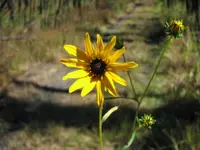
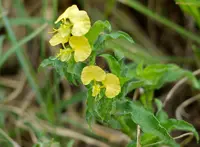
African yellow dayflower (Commelina africana) is a low, spreading perennial herb known for its small, bright yellow flowers that last for a single day. It often forms loose mats of fleshy, branching stems with soft, lance-shaped leaves.

This species is native to eastern and southern Africa, where it grows in open grasslands, disturbed sites, and along paths and fields. Its fast growth and ability to root at stem nodes make it a resilient groundcover in mild climates.

Commelina africana prefers consistent moisture, good drainage, and bright light with some protection from harsh midday sun. These adaptable traits mean that learning how to care for African Yellow Dayflower is straightforward for most home gardeners.

Main Plant Requirements

Care Difficulty

Easy Care

Light Preference

Full Sun

Water Requirements

Moderate Water

Temperature Preference

Tropical / Frost Sensitive

Hardiness Zone

9–11

Soil Texture

Sandy, Loamy, Organic-rich

Soil pH

Acidic (5.5–6.5), Slightly acidic (6.5–7.0)

Soil Drainage

Moist but well-drained

Fertilization

Minimal (feed rarely)

Get Personalized Care Plan

Scan your plant to receive care tips personalized for your specific plant

Available on iOS and Android

How to Care for the African Yellow Dayflower

Commelina africana prefers bright outdoor conditions with some protection from intense midday sun.

  • Provide 4–6 hours of direct morning sun with light afternoon shade; east or southeast exposure suits African Yellow Dayflower well.
  • Tolerates partial shade, but in less than 3–4 hours of sun, flowering and compact growth decline noticeably.
  • In hot summers, protect from harsh noon–afternoon sun to prevent leaf scorch; in cooler seasons, allow more direct light to support strong growth.

Commelina africana prefers consistently moist but not waterlogged soil.

  • Water when the top 2–3 cm of soil feel dry, soaking the root zone and allowing excess to drain away fully.
  • Use loose, well-draining soil; standing water around roots leads to yellowing leaves, soft stems, and possible rot.
  • In hot, dry periods, expect to water more often, while in cooler or rainy seasons reduce watering; wilting and crisp leaf tips signal underwatering.

This species grows best in warm, frost-free conditions outdoors.

  • Aim for active growth in 65–80°F (18–27°C); growth slows noticeably below 60°F (16°C).
  • Protect from cold; short dips to 40–45°F (4–7°C) may be tolerated, but repeated exposure weakens plants and can kill stems.
  • Avoid extreme heat stress by providing light shade and extra moisture during periods above 90°F (32°C), especially in dry, windy sites.

This species grows well in 40–60% humidity and usually adapts to typical indoor air.

  • Tolerates short dry spells but prolonged air below 30% can slow growth and cause leaf edges to brown.
  • Mild humidity stress shows as curled leaf tips, dull foliage, and quicker wilting between waterings.
  • To raise humidity, cluster pots together on a pebble tray with water below the pot base, rather than misting African Yellow Dayflower heavily.

Commelina africana prefers loose, moist, and well‑drained soil that does not stay waterlogged.

  • Use a light loam‑based mix with 40–50% compost or leaf mold for organic matter and moisture retention.
  • Improve drainage and aeration by adding 20–30% perlite or coarse sand so water moves through easily but the root zone stays evenly moist.
  • Aim for slightly acidic to neutral pH around 6.0–7.0, which keeps most nutrients available and supports healthy root function.
  • Avoid heavy clay, compacted mixes, or containers where water pools, as these conditions encourage root rot and weak, shallow rooting.

This species is well suited to container growing on patios, balconies, and in small gardens.

  • Choose a wide, shallow to medium‑depth pot so spreading roots and stems can occupy surface space without creating a deep, soggy root zone.
  • Select a breathable material like unglazed terracotta if overwatering is a risk, since it allows faster evaporation from the root zone.
  • Raise the pot on feet or bricks so drainage holes stay clear and excess water exits quickly after rain or irrigation, preventing saucer stagnation.

Commelina africana grows well in modest soils but responds to light feeding during the active growing season.

  • Use a balanced, water-soluble fertilizer (such as 10-10-10) diluted to 25–50% strength for Commelina africana care instructions.
  • Feed every 4–6 weeks in spring and summer, skipping applications if growth already looks lush.
  • Apply a thin layer of compost around outdoor clumps once in spring for slow, steady nutrition.
  • Reduce or stop feeding in fall and winter when growth slows, to avoid weak, overly soft shoots.

Pruning helps keep Commelina africana compact, tidy, and flowering well.

  • Best time for shaping is in spring through early summer, when growth is active.
  • Use clean, sharp scissors or hand pruners to remove dead, damaged, or crowded stems at the base.
  • Lightly tip back leggy growth to encourage branching and a denser, groundcover-like habit.
  • Pinch off spent flowering shoots to maintain appearance and direct energy into fresh stems.

This species is usually grown in the ground, but container plants or dense clumps benefit from occasional transplanting.

  • Look for roots circling the pot, water running straight through, or noticeably slower growth as signals to move it.
  • Plan repotting or transplanting for spring, after frost risk passes, to support quick root recovery.
  • Expect to shift container plants every 2–3 years, stepping up only 1–2 in sizes each time.
  • Water well before and after moving, keep roots shaded, and disturb the root ball as little as possible to limit stress.

Commelina africana is commonly propagated vegetatively and from seed under simple conditions.

  • Take 8–10 cm soft stem cuttings in late spring or summer and root them in moist, free-draining mix.
  • Ensure bright, indirect light and warm temperatures around 70–75°F to speed rooting.
  • Divide established clumps in spring, replanting sections promptly and watering thoroughly.
  • Sow fresh seed on the surface of moist soil, barely cover, and keep consistently damp until germination.

In mild climates this plant needs little winter attention, but colder areas require some protection.

  • Commelina africana tolerates light frost but may suffer damage in prolonged freezes below about 25°F.
  • Apply a 5–8 cm mulch layer over the root zone in late fall to buffer temperature swings.
  • In cold regions, grow in containers and move plants indoors or into a frost-free garage for winter.

Care Tips

Pinch To Branch

Pinch back the soft tips of vigorous shoots every 3–4 weeks in the growing season to encourage a denser, more branched plant with more flowering sites instead of long, floppy stems.

Use Low Edging

Install a low, open edging or short wire border around beds to gently contain spreading stems while still allowing them to root and form a controlled groundcover rather than invading neighboring plantings.

Layering For Propagation

Select a healthy, trailing stem, peg a node lightly into loose soil, and keep it moist for 2–3 weeks so it roots in place, then sever it from the mother plant to quickly produce a new clump with minimal stress.

Seasonal Cutback

In late winter or after flowering flushes, shear back old, leggy growth by about one-third and remove any weak or congested stems to stimulate fresh shoots and maintain a tidy, vigorous stand.

Monitor For Mites

Inspect the undersides of leaves during hot, dry spells for early signs of spider mites, and if stippling is seen, hose foliage with a firm water spray and consider introducing or conserving predatory mites as part of caring for African Yellow Dayflower in outdoor beds.

Common Pests and Diseases

Spider mites

This pest thrives on the thin, often sun-exposed leaves, sucking sap and causing fine stippling, yellowing, and a dry, speckled appearance. Symptoms include very fine webbing between stems and along leaf undersides, especially in warm, dry spots or containers on patios and balconies.

Solution

Rinse foliage thoroughly with a strong but gentle stream of water, including leaf undersides, then repeat every few days until populations drop. For heavier infestations, apply insecticidal soap or a ready-to-use horticultural oil, improve humidity slightly, and avoid prolonged dry, dusty conditions around the plant.

Leaf spot

This disease commonly appears as small water-soaked or dark brown spots on the fleshy leaves, which can expand and merge under warm, humid conditions. Symptoms include yellow halos around spots and premature leaf drop on crowded or poorly ventilated plantings.

Solution

Remove and discard affected leaves, avoid overhead watering, and water early in the day so foliage dries quickly. Improve spacing and air movement, keep leaves off wet soil, and if the problem recurs, use a labeled copper or chlorothalonil fungicide according to directions, focusing on new growth.

Aphids

These insects cluster on tender shoot tips and undersides of young leaves, feeding on sap and causing distorted, curled, or stunted new growth. This pest also excretes sticky honeydew that can attract sooty mold on dense patches of growth.

Solution

Pinch or rinse off colonies with a firm stream of water and remove heavily infested shoot tips. If needed, treat with insecticidal soap or neem oil, repeating at 5–7 day intervals until new growth emerges clean, and limit high-nitrogen fertilization that promotes very soft, aphid-prone shoots.

Powdery mildew

This disease appears as a white to gray powdery coating on upper leaf surfaces, often on plants grown in partial shade with restricted air movement. Symptoms include reduced vigor, distorted leaves, and a dull, faded look to the normally bright foliage.

Solution

Remove the worst-affected leaves and thin crowded clumps to increase airflow, especially in shaded beds or containers grouped closely together. Avoid overhead watering in the evening, keep the top of the plant relatively dry, and if needed apply a labeled powdery mildew fungicide or a horticultural oil at the first sign of new patches.

Interesting Facts

Yellow fused petals

This species has bright yellow flowers where two upper petals are showy and the lower petal is much smaller and partly fused, a floral structure that helps guide pollinators toward the nectar and reproductive organs.

Creeping, rooting stems

Its stems often sprawl along the ground and root at the nodes, allowing the plant to spread vegetatively and quickly stabilize disturbed or bare soil in its native habitats.

Seasonally adapted growth

In much of its African range, it grows and flowers mainly in the rainy season, then can die back or reduce growth during dry periods while surviving through its root system and dormant buds.

Botan icon

Did you know?

Some populations of this species are considered minor agricultural weeds in parts of Africa, yet the same plant is also used locally as a leafy vegetable, showing how a single species can be both a crop resource and a field nuisance depending on context.

FAQs about African Yellow Dayflower

Lack of flowering often comes from insufficient light, nutrient-poor soil, or old, exhausted stems. Remove weak or very old shoots, provide a balanced, low-nitrogen fertilizer, and ensure plants are not heavily shaded by taller neighbors.

Grow Healthy Plants with Botan Care

Keep your plants happy and healthy with plant identification, disease detection, and easy care guidance.

Botan plant care app — identify plants on mobile

Explore More Plants