Guinea Grains Care (Aframomum angustifolium)

Also known as: Longoza Plant, Mlelgueta Pepper, Ethiopian cardamom
Guinea Grains

About Guinea Grains

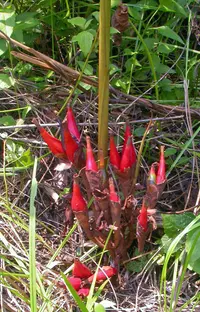
Guinea grains, Aframomum angustifolium, is a perennial herb in the ginger family, grown mainly for its aromatic seeds and lush foliage. It forms clumps of reed-like stems with narrow, glossy leaves and produces low, ground-level flowers that develop into podded fruits containing spicy seeds.

This species occurs naturally in humid tropical regions of West and Central Africa, often in forest understory or along shaded edges. It prefers warm, filtered light, consistently moist but well-drained soil, and good humidity.

In cultivation, it can be somewhat demanding outside the tropics, needing stable warmth and protection from cold or dry air. Understanding these native conditions helps guide how to care for Guinea Grains successfully indoors or in sheltered outdoor spots.

Main Plant Requirements

Care Difficulty

Moderate Care

Light Preference

Partial Shade

Water Requirements

Keep Soil Moist

Temperature Preference

Tropical / Frost Sensitive

Hardiness Zone

10–12

Soil Texture

Loamy, Sandy, Organic-rich

Soil pH

Acidic (5.5–6.5), Slightly acidic (6.5–7.0)

Soil Drainage

Moist but well-drained

Fertilization

Light (every 4–6 weeks)

Get Personalized Care Plan

Scan your plant to receive care tips personalized for your specific plant

Available on iOS and Android

How to Care for the Guinea Grains

This shade-loving ginger prefers bright, indirect light similar to a forest understory.

  • Provide 3–5 hours of soft morning sun with bright, filtered light the rest of the day; avoid harsh midday and afternoon sun.
  • Tolerates partial to full shade, but very deep shade reduces flowering and leads to weak, stretched stems in Guinea Grains.
  • Outdoors, place under high tree canopy or use 30–50% shade cloth; in summer, watch leaves for scorch patches as a sign of excess sun.

This species prefers consistently moist, but not waterlogged, soil.

  • Water when the top 2–3 cm of soil feels slightly dry; the root zone below should stay evenly moist, especially during active growth.
  • In warm seasons, increase watering as leaves stay turgid and green; in cooler months, let the surface dry a bit more to slow growth and reduce rot risk.
  • Yellowing, soft stems signal overwatering and poor drainage, while curling or browning leaf edges on Aframomum angustifolium indicate the soil has stayed too dry.

This tropical perennial thrives in warm, frost-free conditions year-round.

  • Aim for 70–85°F (21–29°C) for best growth; short exposures down to 60°F (16°C) are tolerated but slow development.
  • Protect from cold below 55°F (13°C); light frost at 32°F (0°C) or lower can severely damage foliage and rhizomes.
  • In hot weather above 90°F (32°C), provide extra shade and soil moisture; in cooler seasons, shelter from cold winds and sudden temperature drops.

This species prefers consistently humid air similar to a warm rainforest understory.

  • Aim for 60–80% humidity; growth slows and leaf tips brown if air stays below 40%.
  • Tolerates short dry spells, but chronic dry indoor air causes curling, crisp edges, and stalled new shoots.
  • Use a room humidifier or grouped plants on a pebble tray with water below the pot base to raise local humidity.

This plant thrives in loose, moist, organic-rich soil that mimics a well-drained forest floor.

  • Use a loamy mix with 40–50% compost or leaf mold, plus components like pine bark and perlite for structure and drainage.
  • Keep the mix evenly moist yet airy; water should infiltrate quickly and never pool on the surface for more than a few minutes.
  • A slightly acidic pH around 6.0–6.5 suits Aframomum angustifolium, so avoid strongly alkaline mixes heavy in lime.
  • Improve dense or clay-heavy media by blending in coarse bark, perlite, or sharp sand to prevent waterlogging and root suffocation.

This species adapts well to container growing when root space and moisture balance are managed carefully.

  • Choose a deep, stable pot that allows horizontal rhizome spread while preventing the tall foliage from tipping the container.
  • Select thicker-walled terracotta or ceramic if extra evaporation is needed in humid climates to avoid chronically wet roots.
  • Ensure multiple drainage holes and elevate the pot slightly so excess water clears quickly rather than collecting under the base.

Aframomum angustifolium benefits from moderate, targeted feeding to support leafy growth and flowering.

  • Use a balanced NPK fertilizer (such as 10-10-10) or well-rotted compost for Guinea Grains grown in containers or poor soil.
  • Feed every 4–6 weeks during the warm growing season, when active growth is visible.
  • Apply at half the label strength for liquids, or use a slow-release product mixed into the topsoil.
  • Reduce or stop feeding in winter or any cool dormant period to prevent weak, elongated growth.

Pruning Aframomum angustifolium is mainly about hygiene and light shaping rather than heavy cutting.

  • Late winter or early spring is the best time, before strong new growth starts.
  • Remove dead, diseased, or storm-damaged stems at the base with clean, sharp pruners.
  • Thin out the oldest, most crowded canes to improve air flow and maintain a neat clump.
  • Avoid cutting young, green flowering shoots hard, as this can reduce blooming and vigor.

This species is often grown in the ground, but container plants or young clumps benefit from careful transplanting.

  • Look for roots circling the pot, tight root balls, or slowed growth as cues to move Aframomum angustifolium.
  • Transplant or up-pot in spring, every 2–3 years, when temperatures are stable and soil is warming.
  • Choose a slightly larger container or site with rich, well-drained soil, and set the root crown at the same depth.
  • Water thoroughly after moving, keep shading light for 1–2 weeks, and avoid heavy fertilization until growth resumes.

Multiplying this ginger relative is usually done by division or seeds under warm, stable conditions.

  • Divide established clumps in late spring, lifting and cutting rhizomes into sections with at least 2–3 healthy shoots.
  • Replant divisions into moist, well-drained, organic soil and keep evenly watered until new growth is firm.
  • Sow fresh seeds in a warm (75–80°F), humid environment, using a light, sterile seed mix.
  • Provide bright, indirect light and steady moisture, avoiding waterlogging that can cause rhizome or seedling rot.

This tropical species is sensitive to frost and needs protection in regions with cold winters.

  • In USDA zones cooler than 10–11, grow in containers and move indoors before temperatures drop below 50°F.
  • Outdoors in mild climates, add a 5–8 cm layer of organic mulch around the root zone for insulation.
  • Avoid waterlogged soil in winter by improving drainage and reducing watering during cool, low-light periods.

Care Tips

Rhizome Division Timing

Divide rhizomes only when actively growing and nighttime temperatures stay above 60°F, then replant divisions immediately so they do not dry out and lose viability.

Mulch For Stable Moisture

Apply a 5–8 cm layer of fine bark or composted mulch around the clump, keeping it 3–5 cm away from the stems to stabilize root-zone moisture and suppress weeds without inviting rot.

Sheltered Wind Protection

Site plants where strong, dry winds are blocked by a hedge, fence, or shade structure, as the large leaves tear easily and damaged foliage reduces photosynthetic capacity.

Targeted Pest Monitoring

Inspect the undersides of leaves and sheath bases every 1–2 weeks for spider mites and mealybugs, and rinse foliage with a firm stream of water at first signs to prevent populations from building.

Container Rotation Practice

For container specimens, rotate the pot 90° every 2–3 weeks so shoots develop evenly and do not lean strongly to one side, which keeps the clump balanced and easier to manage when caring for Guinea Grains.

Common Pests and Diseases

Cardamom shoot borer

This pest is a small moth larva that tunnels into young shoots and leaf sheaths, causing wilting and dead tops on affected stems.

Solution

Remove and destroy infested shoots as soon as wilting or boring damage appears, and keep clumps thinned so light and air reach the base of the plant. In outdoor or plantation settings, use pheromone traps and, if needed, targeted Bacillus thuringiensis (Bt) sprays on new growth, following label directions to protect beneficial insects.

Rhizome nematodes

These microscopic worms attack underground rhizomes and roots, leading to stunting, poor tillering, and yellowing foliage.

Solution

Use clean, nematode-free planting divisions and avoid moving soil from infested beds. In the ground, rotate with non-host crops, incorporate plenty of organic matter to support beneficial soil life, and solarize soil in hot climates by covering moist beds with clear plastic for 4–6 weeks before planting.

Leaf spot

This disease causes water-soaked lesions that turn brown with possible yellow halos, often starting on older leaves in humid, crowded plantings.

Solution

Remove and discard affected leaves promptly and avoid overhead watering so foliage dries quickly. Improve spacing and airflow, water at the base early in the day, and in persistent cases apply a copper-based fungicide labeled for edible ginger relatives, following all safety and harvest-interval instructions.

Pseudostem rot

This disease leads to soft, water-soaked decay at the base of shoots, causing lodging, yellowing, and collapse of whole stems, especially under prolonged wet conditions.

Solution

Cut and discard all affected shoots and any obviously rotted rhizome tissue, then improve drainage and avoid waterlogging around the clump. Plant in raised beds or mounded soil, keep mulch slightly away from shoot bases, and use only healthy divisions from vigorous plants for propagation to support sustainable Aframomum angustifolium plant care.

Interesting Facts

Forest understorey native

This species occurs naturally in the shaded understorey of lowland tropical forests in Central and West Africa, often forming small clumps along moist, partially open forest edges and paths.

True ginger relative

It belongs to the Zingiberaceae, the ginger family, and produces aromatic rhizomes and leafy shoots similar to edible ginger, though it is a distinct species with its own ecological niche.

Animal-dispersed seeds

Its fleshy fruits are eaten by wildlife such as small mammals, which then disperse the seeds, helping maintain forest regeneration patterns around disturbed or gap areas.

FAQs about Guinea Grains

The seeds and some parts are edible and used as a spice similar to cardamom, but only when correctly identified and harvested from clean, pesticide‑free plants. Avoid ornamental plants of uncertain origin for culinary use.

Grow Healthy Plants with Botan Care

Keep your plants happy and healthy with plant identification, disease detection, and easy care guidance.


Botan plant care app — identify plants on mobile

Explore More Plants