


Use Slight Root Constraint
Choose a pot that is only 2–4 cm wider than the current rootball to keep roots slightly snug, which encourages stronger flowering and reduces excessive leafy growth when growing Horned Gardenia.

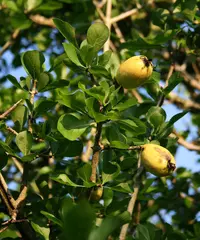
Horned gardenia, Gardenia cornuta, is an evergreen shrub valued for its glossy dark green leaves and strongly scented white flowers that age to cream. It often forms a dense, rounded shape and can be grown as a specimen shrub or in mixed borders in warm climates, and as a container plant in cooler areas.
This species is native to southern Africa, where it grows in woodland and savanna habitats. It can be moderately demanding, as consistent moisture, good drainage, and slightly acidic soil support healthy growth.
Light shade to bright indirect light suits it best, and stable conditions help prevent bud drop. Understanding how to care for Horned Gardenia makes it easier to enjoy its fragrance and ornamental value indoors or outdoors.

Care Difficulty
Moderate Care

Light Preference
Partial Sun

Water Requirements
Regular Water

Temperature Preference
Warm Climate

Hardiness Zone
9–11

Soil Texture
Sandy, Loamy, Organic-rich

Soil pH
Strongly acidic (4.5–5.5), Acidic (5.5–6.5)

Soil Drainage
Moist but well-drained

Fertilization
Light (every 4–6 weeks)
Scan your plant to receive care tips personalized for your specific plant
Available on iOS and Android
Gardenia cornuta prefers bright, gentle light to form dense growth and abundant flowers.
This shrub needs steady, moderate moisture in well-drained, slightly acidic soil.
This species prefers warm, frost-free conditions for reliable growth and flowering.
This species needs consistently high humidity to maintain healthy foliage and bud set.
This shrub prefers aerated, acidic, moisture-retentive but free-draining soil.
This species is well suited to container growing when the pot is chosen to match its root and canopy habits.
Gardenia cornuta benefits from thoughtful feeding to support foliage and flowering without stressing its roots.
Pruning Gardenia cornuta helps maintain a compact form and encourages better flowering wood.
Gardenia cornuta is usually grown in the ground, but container or young plants may need careful transplanting to stay vigorous.
Gardenia cornuta is commonly propagated from semi-hardwood cuttings to preserve desirable traits and flowering quality.
Gardenia cornuta is only moderately frost tolerant and often benefits from targeted winter protection in cooler regions.

Plant Health Check
Not sure what's wrong with your plant? Check your plant's health inside the app.
This species is native to warm regions of southern Africa, especially parts of South Africa and Eswatini, where it grows in woodland and bushveld rather than in true rainforest conditions.
After flowering, it forms hard, woody fruits with prominent, horn-like projections, which inspired the common name horned gardenia and help distinguish it from other gardenia species.
The white, star-shaped flowers release a stronger fragrance in the evening and at night, an adaptation that helps attract nocturnal pollinators in its native habitat.

Gardenia cornuta has been documented as a larval host plant for certain African swallowtail butterflies, providing both food and shelter for the developing caterpillars in its native ecosystems.
Lack of flowers is usually caused by insufficient light, low nutrients, or pruning at the wrong time, which removes flower buds. Cool night temperatures, root disturbance, or persistent drought stress can also reduce bud formation and flowering performance.
Keep your plants happy and healthy with plant identification, disease detection, and easy care guidance.

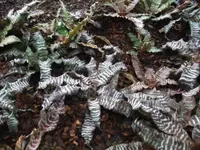
Cryptanthus zonatus
Cryptanthus zonatus
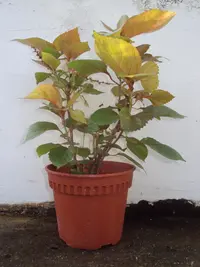
Copperleaf
Acalypha wilkesiana
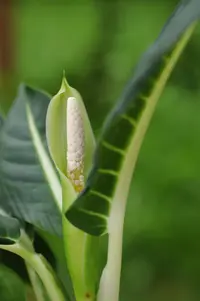
Dieffenbachia oerstedii
Dieffenbachia oerstedii
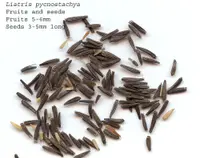
prairie blazing star
Liatris pycnostachya
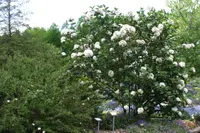
Korean spice viburnum
Viburnum carlesii
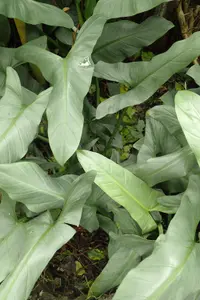
Silver Sword
Philodendron hastatum
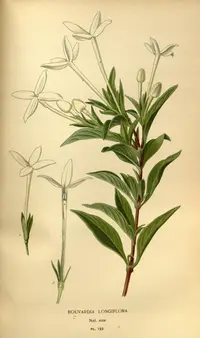
scented bouvardia
Bouvardia longiflora
stiff flower star orchid
Epidendrum rigidum