Rocky mound planting
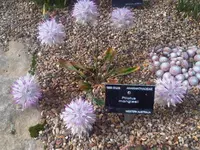
Plant in a raised, very gritty rock mound or crevice so water drains away quickly, mimicking alpine scree and greatly reducing crown rot risk when growing Edelweiss.

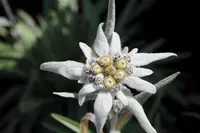
Edelweiss, Leontopodium nivale, is a compact, long-lived alpine perennial valued for its star-shaped white flower heads and woolly, silver-gray foliage. It usually forms low clumps that sit close to the ground, adapted to exposed mountain slopes. Native to high-altitude regions of the European Alps and parts of Asia, it is naturally suited to cold, sunny, and rocky environments. The plant prefers sharp drainage, neutral to slightly alkaline soil, and relatively low humidity, which can make it challenging in wetter, milder climates. Gardeners who understand these alpine conditions find it easier to care for Edelweiss in rock gardens or containers.

Care Difficulty
Hard Care

Light Preference
Full Sun

Water Requirements
Low Water

Temperature Preference
Cold Hardy

Hardiness Zone
4–7

Soil Texture
Sandy, Loamy, Rocky

Soil pH
Slightly acidic (6.5–7.0), Neutral (7.0)

Soil Drainage
Well-drained

Fertilization
Minimal (feed rarely)
Scan your plant to receive care tips personalized for your specific plant
Available on iOS and Android
Leontopodium nivale prefers bright, cool conditions that mimic high mountain slopes.
This alpine plant prefers slightly dry, sharply drained soil rather than constant moisture.
This species is strongly cold tolerant and adapted to short, cool summers.
This alpine species prefers dry air and low humidity similar to its native mountain habitats.
Leontopodium nivale needs very free-draining, mineral-rich soil that mimics rocky alpine slopes.
This species can be grown in containers if the pot closely imitates its dry, fast-draining alpine conditions.
Leontopodium nivale needs only light feeding because it is adapted to nutrient-poor alpine soils.
Pruning Leontopodium nivale is minimal and focuses on cleanliness and maintaining compact form.
This alpine species is usually grown in rock gardens or troughs, so transplanting is more common than frequent repotting.
Leontopodium nivale is commonly propagated from seed or by careful division of mature clumps.
This alpine perennial is cold hardy but still benefits from thoughtful winter care, especially in wetter, lowland gardens.

Plant Health Check
Not sure what's wrong with your plant? Check your plant's health inside the app.
This species has densely felted, woolly white leaves and bracts that act as insulation and sun protection, reducing water loss and shielding tissues from intense high-altitude UV radiation.
Natural populations grow on rocky, lime-rich slopes and scree in European mountain ranges, often at elevations above 1,800 m, where it copes with strong winds, cold nights, and very shallow, fast-draining soils.
The plant became a cultural emblem of the European Alps in the 19th century, and over-collecting for souvenirs contributed to its decline in some regions, leading to legal protection and its modern role as a conservation symbol.

Genetic and morphological studies show that what was once broadly called edelweiss actually consists of several closely related species, and Leontopodium nivale sensu stricto is now treated as a more narrowly defined taxon restricted mainly to certain parts of the European Alps and Carpathians.
Lack of flowers usually comes from too much fertility, low light, or winter conditions that are too mild. This alpine species needs a cold rest period, lean gritty soil, and full sun exposure to set abundant buds.
Keep your plants happy and healthy with plant identification, disease detection, and easy care guidance.