Acaena splendens Care

Acaena splendens

About Acaena splendens

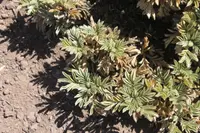
Acaena splendens is a low, spreading perennial groundcover known for its fine, fern-like foliage and decorative burr-like seed heads. It forms dense mats that soften edges and fill gaps between stones or paving.

This species comes from cool, open habitats in Chile, so it is adapted to bright light, moderate temperatures, and free-draining soils. It is generally easy to maintain if given sun and soil that does not stay wet.

Gardeners who want to care for Acaena splendens should know it spreads by creeping stems and can slowly colonize open soil, which makes it useful for coverage but requires occasional control.

Main Plant Requirements

Care Difficulty

Moderate Care

Light Preference

Full Sun

Water Requirements

Moderate Water

Temperature Preference

Cool Climate

Hardiness Zone

7–9

Soil Texture

Sandy, Loamy, Rocky

Soil pH

Acidic (5.5–6.5), Slightly acidic (6.5–7.0)

Soil Drainage

Well-drained

Fertilization

Minimal (feed rarely)

Get Personalized Care Plan

Scan your plant to receive care tips personalized for your specific plant

Available on iOS and Android

How to Care for the Acaena splendens

This low mat-forming perennial prefers bright conditions but dislikes intense, drying sun, especially in hot climates.

  • Provide 4–6 hours of direct morning sun with light or dappled shade from mid-afternoon onward, especially in USDA zones 8–9.
  • In cooler, coastal, or mild climates, Acaena splendens can tolerate near full sun if soil stays evenly moist and does not dry to dust.
  • Watch foliage for stress: bleached, crispy leaves indicate too much sun, while weak, elongated growth and sparse mats signal insufficient light.

This groundcover prefers steady, moderate moisture in free-draining soil rather than frequent heavy soaking.

  • Water when the top 2–4 cm of soil feel dry, focusing on the root zone; allow the soil to drain fully and avoid standing water around crowns.
  • In spring and early summer, when growth is fastest, check moisture more often; reduce watering in cool, wet seasons to prevent root rot.
  • Signs of overwatering include yellowing, soft foliage and a sour soil smell; dry, curling leaves and shrinking mats point to underwatering or very fast-draining soil.

This hardy perennial tolerates a wide temperature range but performs best in cool to mild conditions.

  • Ideal growing temperatures are 50–75°F (10–24°C), with strongest growth during cool springs and mild summers.
  • Established plants usually tolerate down to about 5–10°F (-15 to -12°C) with good drainage, though foliage may burn or thin after severe frosts.
  • In hot summers above 86°F (30°C), growth can slow; provide afternoon shade and consistent soil moisture to limit heat stress and leaf scorch.

This species is tolerant of a wide humidity range and rarely needs special humidity management outdoors.

  • Aim for 30–60% humidity, which is typical of most temperate outdoor conditions.
  • Plants cope well with dry air but prolonged hot, windy spells can crisp leaf edges and reduce vigor.
  • If grown in very dry, exposed sites, shelter from strong wind or group plants to slightly raise local humidity.

This groundcover prefers free-draining, moderately fertile soil that does not stay wet.

  • Use a light loam or sandy loam with 20–30% coarse sand or fine grit to keep the structure open.
  • Ensure sharp drainage; water must pass through quickly, as standing moisture increases root rot risk.
  • A slightly acidic to neutral pH of 6.0–7.0 suits Acaena splendens, so avoid very alkaline, lime-rich soils.
  • In heavy clay, improve aeration by incorporating coarse grit and compost, or plant on a low mound or raised bed.

This species can be grown in containers where its spreading habit is contained and displayed effectively.

  • Choose a wide, shallow pot to allow lateral spread while preventing deep, soggy substrate around the roots.
  • Use a gritty mix and elevate the container slightly so drainage holes never sit directly on a solid surface.
  • In windy spots, select a heavier clay or concrete container to prevent tipping as the foliage spreads over the rim.

This groundcover needs only light feeding to maintain healthy growth in average garden soil.

  • Apply a balanced slow-release fertilizer (around 10-10-10) at half strength once in early spring as new growth starts.
  • In lean or sandy soils, supplement with a thin layer of compost around, not on, the crowns.
  • Avoid high-nitrogen feeds that push soft, weak foliage; aim for modest, steady nutrition.
  • Stop feeding Acaena splendens by late summer and do not fertilize during winter dormancy.

Light pruning helps keep Acaena splendens dense, tidy, and healthy.

  • Best time is late winter or early spring before strong new growth begins.
  • Shear or trim back straggly, overgrown mats to maintain a low, even carpet.
  • Remove dead, damaged, or crowded stems with sharp scissors or hand shears to improve air flow.
  • After flowering, lightly tidy spent burrs if seed spread is not desired, without cutting into healthy foliage.

This mat-forming perennial is usually grown as a groundcover and is moved by transplanting rather than frequent repotting.

  • Transplant in early spring or early fall when temperatures are mild and soil is workable.
  • Lift and move sections when the planting has spread beyond its space or growth becomes patchy in the center.
  • Water the area well before digging, then lift shallow roots gently to reduce tearing and stress.
  • Replant divisions at the same depth, firm soil around roots, then water thoroughly and shade lightly for a few days.

Acaena splendens is commonly propagated by division or seed to expand groundcover plantings.

  • Divide established clumps in early spring or early fall, separating rooted sections with a sharp knife or spade.
  • Replant divisions into well-drained soil, keep evenly moist, and avoid waterlogging until new growth appears.
  • Sow fresh seed in trays or outdoor beds in fall or early spring; cool conditions support germination.
  • Provide light, free-draining substrate and consistent moisture so young plants develop a fibrous root system.

This perennial is fairly cold hardy in many temperate regions and usually needs only basic winter care.

  • Tolerates light to moderate frost once established, especially in well-drained soil.
  • Apply a thin mulch layer (fine bark or leaf mold) around but not over crowns in colder zones.
  • Container-grown plants in very cold climates can be moved to a sheltered, unheated porch or cold frame.

Care Tips

Control Spreading Edges

Use a hand tool to slice around the mat 2–3 times per year and lift any runners that invade paths or beds, then replant useful pieces in bare spots or compost the excess.

Winter Drainage Check

Before winter rain, confirm that the planting area drains within 1–2 hours after heavy watering and, if water lingers, raise the planting area slightly with grit and soil to prevent crown rot.

Pebble-Friendly Groundcover

If planted between stepping-stones or gravel, brush back stones from the crown by 1–2 cm so foliage can spread without being buried and reduce the risk of rot at the plant base.

Heat-Stress Mitigation

In very hot spells, lay a temporary shade cloth or use nearby pots to cast partial shade over plants during the hottest afternoon hours to reduce leaf scorch and moisture stress when growing Acaena splendens.

Targeted Pest Scouting

Inspect foliage and stems every few weeks during warm weather for aphids and scale insects, and if found, treat early with a strong water spray or a labeled horticultural soap before the mat becomes dense and harder to access.

Common Pests and Diseases

Vine weevils

This pest often feeds on the roots and crowns of groundcover plants, causing patches of Acaena to weaken and die back. Symptoms include notched leaf margins from adult feeding and sudden collapse of small mats due to larval damage underground.

Solution

Lift and inspect affected sections, removing and destroying any white, C-shaped grubs in the soil. Reduce excess moisture, encourage natural predators where possible, and if damage is recurrent, use a biological control containing nematodes targeted at vine weevil larvae applied to moist soil in late summer or early fall.

Slugs and snails

These insects commonly graze on young foliage and new runners, leaving irregular holes and ragged edges on leaves, especially in damp, shaded spots. Symptoms include slime trails across foliage or soil and chewed new growth that fails to spread properly.

Solution

Hand-pick slugs and snails in the evening, reduce hiding places such as dense debris, and use barriers like copper tape or sharp grit around planting areas. In wetter climates, deploy pet-safe iron phosphate slug pellets sparingly around the outer edge of Acaena mats, not directly on the foliage.

Leaf spot

This disease causes small brown or purplish spots on the leaflets that may merge into larger blotches, making the groundcover look patchy and tired. Symptoms include discolored leaves that may yellow and drop prematurely, especially in dense, poorly ventilated plantings.

Solution

Remove and discard affected foliage to limit spread, and thin crowded patches to improve airflow and faster drying after rain. Avoid overhead watering, irrigate at soil level in the morning, and if the problem persists, apply a suitable ornamental foliar fungicide according to label directions.

Crown rot

This disease appears where soil stays wet around the base of the plant, leading to browning, softening, and eventual death of the central crown while outer runners may also decline. Symptoms include a mushy crown, poor new growth, and an unpleasant smell from decaying tissue at soil level.

Solution

Dig out and discard severely affected plants along with the surrounding wet soil, and improve drainage by raising the planting area or adding coarse grit. Replant only in well-drained soil, avoid frequent shallow watering, and keep mulch thin and away from direct contact with the crown.

Interesting Facts

Chilean Andean native

This species is native to high-altitude regions of central Chile, where it grows in open, rocky sites exposed to strong sun, wind, and periodic drought.

Distinctive bronze foliage

Acaena splendens is noted for its unusually bronzy to copper-green leaflets, which form a dense, fine-textured carpet that contrasts with the typically greener foliage of other Acaena species.

Compact burr-forming heads

The plant produces small, rounded flower heads that develop into burr-like seed clusters, but these are generally less aggressively spiny and less widely dispersing than the burrs of several related Acaena species.

FAQs about Acaena splendens

This species spreads by creeping stems and can form dense mats over time, especially in open, well-drained sites. It is usually manageable, but edging, gravel barriers, or occasional trimming help keep it within defined areas.

Grow Healthy Plants with Botan Care

Keep your plants happy and healthy with plant identification, disease detection, and easy care guidance.

Botan plant care app — identify plants on mobile

Explore More Plants