clustered mountainmint Care (Pycnanthemum muticum)

Also known as: showy mountain mint
clustered mountainmint

About clustered mountainmint

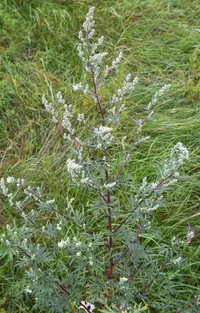
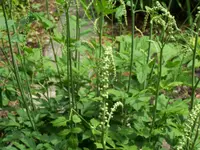
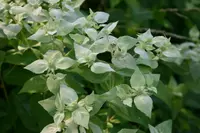
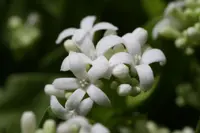
Clustered mountainmint (Pycnanthemum muticum) is a hardy, aromatic perennial herb in the mint family, valued for its dense clusters of tiny pale flowers. It forms upright clumps with silvery, often flushed bracts that create a soft, almost frosted look above deep green foliage. Native to eastern North America, it typically grows in open woods, meadows, and moist, sunny slopes. The plant is attractive to bees and butterflies, and its toughness and resistance to most pests make it fairly easy to grow. Gardeners who want to care for clustered mountainmint should provide sun to light shade, moderately moist soil, and space for its clumping habit.

Main Plant Requirements

Care Difficulty

Easy Care

Light Preference

Full Sun

Water Requirements

Moderate Water

Temperature Preference

Cold Hardy

Hardiness Zone

4–8

Soil Texture

Sandy, Loamy, Clay

Soil pH

Acidic (5.5–6.5), Slightly acidic (6.5–7.0)

Soil Drainage

Moist but well-drained

Fertilization

Minimal (feed rarely)

Get Personalized Care Plan

Scan your plant to receive care tips personalized for your specific plant

Available on iOS and Android

How to Care for the clustered mountainmint

This sun-loving perennial from the mint family grows best with strong, consistent light outdoors.

  • Provide 6–8 hours of direct sun daily; morning sun with light afternoon shade helps prevent leaf scorch in hot climates.
  • Clustered mountainmint tolerates partial shade, but flowering and fragrance decline markedly with less than 4–5 hours of direct light.
  • In cooler regions, full sun all day is ideal; in hotter areas, protect from intense midafternoon sun, especially on dry, exposed sites.

This species prefers evenly moist, well-drained soil but tolerates short dry spells once established.

  • Water when the top 3–5 cm of soil feels dry, aiming for soil that is moist but not saturated around the root zone.
  • After the first growing season, reduce frequency; in summer droughts, deep-soak every 5–10 days, depending on soil type and rainfall.
  • Signs of overwatering include yellowing, limp stems, and a sour soil smell; curling, crispy leaves and rapid wilting suggest Pycnanthemum muticum is too dry.

This hardy perennial is adapted to temperate climates with cold winters and warm summers.

  • Optimal growth occurs around 70–85°F (21–29°C), with strong vegetative growth in late spring and early summer.
  • Plants are winter-hardy to about -20°F (-29°C) in the ground, dying back to the roots and resprouting in spring.
  • Established clumps tolerate summer heat up to about 95°F (35°C) if soil moisture is adequate, but prolonged extremes can reduce flowering.

Humidity is not a major factor for Pycnanthemum muticum, which thrives in typical outdoor conditions.

  • Prefers ambient outdoor humidity in the 30–60% range common in many temperate gardens.
  • Tolerates dry air well, with little impact on vigor when soil moisture is adequate.
  • Mild humidity stress may appear as slightly crisp leaf edges during hot, dry, windy periods, but no special misting or humidity-raising steps are usually needed when caring for clustered mountainmint.

This species prefers moderately moist, well-drained mineral soil with some organic matter.

  • Use loamy or sandy-loam soil that holds moisture yet drains freely; avoid heavy, compacted clay that stays wet.
  • Aim for slightly acidic to neutral pH, roughly 6.0–7.5, which supports nutrient availability for Pycnanthemum muticum.
  • In garden beds, improve structure by mixing in compost and a small amount of coarse sand to boost aeration and drainage.
  • Avoid constantly soggy, waterlogged, or highly alkaline sites, which encourage root decline and reduce plant longevity.

This mint relative can grow successfully in containers outdoors when moisture and space are managed carefully.

  • Choose a wide, heavy container to accommodate spreading roots and to keep the vigorously growing top stable in wind.
  • Use a deep potting volume so roots can stay cooler and access moisture during hot, dry spells on patios or balconies.
  • Position the container where runoff can escape freely so repeated rain or irrigation does not keep the lower root zone saturated.

Pycnanthemum muticum is a low-fertility native perennial that usually needs only modest feeding in average garden soil.

  • Use a light top-dressing of compost or well-rotted manure in early spring to support new growth.
  • On poor soils, apply a balanced slow-release fertilizer (around 10-10-10) at half strength once in late spring.
  • Avoid high-nitrogen products, which encourage weak, floppy growth and reduce flowering.
  • Do not feed in late fall or winter, as the plant is dormant and extra nutrients are unnecessary.

Pruning Pycnanthemum muticum is straightforward and mainly helps manage height, density, and tidiness.

  • In late winter or very early spring, cut back all old stems to just above ground level using clean hand pruners.
  • During late spring, lightly shear or pinch back tall shoots to encourage bushier, less floppy growth and more flowering stems.
  • Remove any dead, damaged, or diseased stems whenever noticed to maintain plant health.
  • After peak bloom, a gentle trim can reduce self-seeding and keep clustered mountainmint looking neat in designed beds.

This vigorous native is usually grown in the ground, so management focuses on dividing and transplanting rather than frequent repotting.

  • Plan division or transplanting in early spring or early fall when temperatures are mild and soil is moist.
  • Transplant when clumps become crowded, growth declines, or stems open in the center, typically every 3–5 years.
  • Dig up the clump, gently tease or cut it into sections with healthy roots and several stems, then replant at the same depth.
  • Water thoroughly after planting, shade for a few days if conditions are hot, and keep soil evenly moist until roots re-establish.

Pycnanthemum muticum is commonly propagated by division and stem cuttings, with seed used less often for consistent garden plants.

  • Divide established clumps in early spring or early fall, replanting firm, rooted sections with several shoots.
  • Take 7–10 cm softwood or semi-ripe cuttings in late spring to summer, removing lower leaves.
  • Insert cuttings in a moist, free-draining mix under bright, indirect light and high humidity until rooted.
  • For seed, sow shallowly in late fall or early spring outdoors; cold exposure improves germination and maintains genetic diversity.

This hardy perennial tolerates typical winters in most temperate climates and usually needs minimal special care.

  • In USDA zones roughly 4–8, roots overwinter well in open ground once plants are established.
  • After hard frost, leave stems standing for winter habitat or cut them back close to ground level if a tidy look is preferred.
  • Apply a 3–5 cm layer of organic mulch around, but not against, crowns to moderate soil temperature and moisture.
  • For container-grown plants in colder areas, move pots to a sheltered, unheated space to reduce freeze–thaw stress on roots.

Care Tips

Contain Spreading Clumps

Install a shallow root barrier or plant in a bottomless buried container 20–25 cm deep to keep rhizomes from creeping into nearby beds while still allowing normal vigor.

Staggered Renewal Cutting

Cut back one-third to one-half of the stems to 10–15 cm just before flowering to extend the bloom period and provide a sequence of fresh foliage for pollinators.

Support In Windy Sites

In exposed locations, use low, discreet ring supports or short stakes early in the season to prevent tall, flower-laden stems from flopping after storms.

Targeted Division Timing

Divide dense clumps every 3–4 years in early spring, replanting only the younger outer sections to maintain strong growth and reduce self-competition in the center of the patch.

Pollinator-Focused Placement

When caring for clustered mountainmint, group plants in drifts of 5–7 or more at the edge of vegetable or fruit beds to create a concentrated pollinator zone that improves nearby crop pollination.

Common Pests and Diseases

Rust fungi

This disease appears occasionally on clustered mountainmint foliage as small orange to brown pustules on leaf undersides, sometimes causing yellowing and early leaf drop. Symptoms include scattered spots rather than large blotches, often during warm, humid weather with poor air movement.

Solution

Remove and dispose of infected leaves to reduce spore spread, and avoid overhead watering so foliage dries quickly. Improve spacing and airflow around plants; if rust recurs badly, use a labeled sulfur or copper-based fungicide applied according to Pycnanthemum muticum care instructions and local regulations.

Powdery mildew

This disease causes a white to gray, powdery coating on upper leaf surfaces and young stems, most often in late summer when nights are cool and humidity is high. Symptoms include distorted new growth and a dull, dusty look to the foliage, but plants usually remain structurally sound.

Solution

Thin or divide dense clumps to improve air circulation and water at soil level instead of over the foliage. Remove the worst-affected stems and, if needed, apply a labeled organic fungicide such as potassium bicarbonate or neem oil early in the outbreak, repeating as directed.

Leaf spot complex

This disease group shows as scattered small brown, purple, or tan spots that can merge into irregular blotches on older leaves in mid to late season. Symptoms include cosmetic damage and some early leaf drop but rarely threaten plant survival in established clumps.

Solution

Cut off and discard heavily spotted leaves or stems and keep the area around the plants clean of fallen debris to reduce inoculum. Limit overhead watering, keep plants in full sun when possible, and rotate plantings or thin stems if leaf spots become a yearly issue.

Aphids

These insects occasionally cluster on tender shoot tips and flower stems, sucking sap and causing curling, distorted new growth and sticky honeydew on leaves. This pest is usually sporadic on clustered mountainmint but can build up on lush growth in nutrient-rich or sheltered sites.

Solution

Dislodge aphids by spraying stems with a firm stream of water, repeating as needed. For heavier infestations, use insecticidal soap or a light horticultural oil, applied thoroughly to stems and leaf undersides, and avoid excess nitrogen fertilization that encourages soft, aphid-prone growth.

Spider mites

These pests are tiny sap-sucking arachnids that can cause fine stippling, bronzing, and a dull, dusty look on leaves, sometimes with light webbing between stems during hot, dry weather. This pest is more likely when plants grow in very dry, sheltered spots with limited rainfall or irrigation.

Solution

Increase humidity around plants by mulching and watering during prolonged dry periods, and spray foliage with a strong jet of water to knock mites off leaf undersides. If populations stay high, apply insecticidal soap or horticultural oil labeled for mites, repeating at 5–7 day intervals until new growth looks clean.

Interesting Facts

Specialized pollinator magnet

The dense clusters of small, nectar-rich flowers support a wide range of native pollinators, including many short-tongued bees and small wasps that struggle to access nectar in deeper flowers.

Dual-textured foliage

Its leaves show a marked contrast between plain green lower foliage and the silvery, almost frosted-looking bracts near the flower clusters, which act as visual signals to guide pollinators to the nectar source.

Aromatic defense chemistry

The strong mint scent comes from essential oils in the leaves that deter many herbivorous insects and mammals, while still being attractive to pollinators seeking nectar.

Botan icon

Did you know?

This species often functions as a keystone nectar resource in midsummer, with field surveys showing unusually high insect diversity concentrated on its flower clusters compared with many neighboring native perennials.

FAQs about clustered mountainmint

This species spreads steadily by rhizomes and self-seeding but is usually manageable in garden settings. It can form dense clumps over time, so edging, root barriers, or periodic division help keep it within its intended area.

Grow Healthy Plants with Botan Care

Keep your plants happy and healthy with plant identification, disease detection, and easy care guidance.

Botan plant care app — identify plants on mobile

Explore More Plants