BotaN logo

sacred lotus Care (Nelumbo nucifera)

Also known as: Indian Lotus, Bean of India
sacred lotus

About sacred lotus

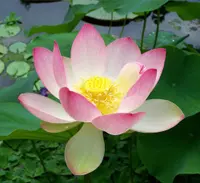
Sacred lotus, Nelumbo nucifera, is an aquatic perennial grown for its large round leaves and showy, fragrant flowers held above the water surface. It forms thick rhizomes in mud while leaves and blooms rise on strong stems, creating a dense, architectural display in ponds or large containers.

This species is native to parts of Asia and northern Australia, where it grows in still or slow-moving freshwater. Plants prefer full sun, warm conditions, and consistently wet, rich substrate, which shapes how to care for sacred lotus in gardens and water features.

Once established in suitable conditions, sacred lotus is long-lived but can be slow to start from tubers or seed and requires enough space for its spreading growth habit.

Main Plant Requirements

Care Difficulty

Moderate Care

Light Preference

Full Sun

Water Requirements

Aquatic

Temperature Preference

Cool Climate

Hardiness Zone

4–10

Soil Texture

Loamy, Clay, Organic-rich

Soil pH

Slightly acidic (6.5–7.0), Neutral (7.0)

Soil Drainage

Waterlogged tolerant

Fertilization

Moderate (every 2–4 weeks)

Get Personalized Care Plan

Scan your plant to receive care tips personalized for your specific plant

Available on iOS and Android

How to Care for the sacred lotus

This aquatic plant needs strong, consistent sunlight for vigorous flowering and sturdy leaves.

  • Provide 6–8 hours of direct sun daily; full, open exposure suits most ponds and tubs best.
  • Sacred lotus tolerates light afternoon shade in very hot climates, but flowering and leaf size usually decrease.
  • In spring, place containers or plantings where rising sun reaches them early; avoid tall trees or structures that cast long midday shadows, which cause weak, elongated growth.

This species is an aquatic plant that grows with its roots and rhizomes fully submerged in still or very slow-moving water.

  • Maintain water above the soil surface by 10–30 cm in containers or shallow pond zones, keeping the soil base consistently saturated, never drying out.
  • During hot weather, top up water whenever the level drops enough to expose soil or upper rhizomes; in cooler seasons, add water less often but do not allow exposure.
  • Signs of stress include yellowing, limp leaves from low water levels, or foul-smelling, blackened rhizomes from stagnant, anaerobic conditions rather than simple overwatering in Nelumbo nucifera.

This tropical to subtropical aquatic plant prefers warm conditions and reacts poorly to frost.

  • Active growth is strongest around 75–90°F (24–32°C); flowering improves when water warms steadily in late spring and summer.
  • Tubers can survive brief dips near 32°F (0°C) if buried deep in mud, but foliage is damaged by any frost and dies back for winter dormancy.
  • In regions with hot summers above 95°F (35°C), warm water is tolerated if at least 20–30 cm deep, which buffers temperature swings and reduces heat stress.

Humidity is not a major concern for Nelumbo nucifera because it grows rooted in water.

Nelumbo nucifera requires dense, mineral-heavy pond soil that stays submerged but does not turn into loose mud.

  • Use heavy clay or clay-loam with minimal organic matter to anchor rhizomes and prevent floating.
  • Avoid potting mix, peat-heavy blends, and very sandy soils, which wash away and destabilize plants.
  • Keep soil permanently covered by 5–20 cm of water, preventing exposed, cracking surfaces and desiccated roots.
  • If soil is very acidic, blend in a small amount of garden lime to maintain a roughly neutral pH near 6.5–7.5.

This species is well suited to container growing in ponds or water features.

  • Select a wide, shallow, sturdy tub to allow horizontal rhizome spread while limiting uncontrolled expansion.
  • Choose a dark, non-porous container to reduce algae growth and keep water temperatures more stable.
  • Use a container without drainage holes or seal them so soil remains fully submerged and does not leak into the pond.

Container-grown Nelumbo nucifera benefits from consistent, targeted nutrition during the warm growing season.

  • Use aquatic plant tablets or slow-release pellets with a balanced NPK (around 10-10-10), formulated for pond plants.
  • Start feeding when water warms above 65°F and leaves emerge, usually every 3–4 weeks until late summer.
  • Insert fertilizer deep into the soil or planting basket to limit nutrient release into open water and algae growth.
  • Stop or reduce feeding to very light doses as plants yellow and enter dormancy in fall and winter.

Pruning focuses on removing spent or unhealthy growth to keep Nelumbo nucifera vigorous and tidy.

  • Cut yellowing or brown leaves and finished flower stalks at or just above the water surface using clean, sharp shears.
  • Avoid cutting green stems below water level to reduce the risk of rotting pathways into the rhizomes.
  • Thin overcrowded leaves in mid to late summer to improve light, air flow, and flower display.
  • Remove damaged or pest-affected foliage promptly to limit disease spread and maintain strong growth.

Transplanting or re-basketing sacred lotus maintains healthy rhizomes and good flowering in containers or lined ponds.

  • Look for crowded rhizomes, roots circling the container, or reduced flowering as signs the plant needs more space.
  • Plan to divide and replant every 2–3 years in early spring, just as new growth buds swell but before strong leaf emergence.
  • Use a wide, shallow container with heavy loam soil, setting rhizomes horizontally and covering lightly without bending growing tips.
  • Minimize stress by keeping rhizomes moist, handling gently, and placing the container back into water gradually to original depth.

Propagation of Nelumbo nucifera is usually done by rhizome division, with seed used mainly for breeding or long-term storage.

  • Divide rhizomes in early spring, cutting sections with at least one firm, pointed growing tip and several nodes.
  • Plant divisions in heavy loam in wide, shallow containers, then submerge gradually in warm water (above 70°F).
  • For seeds, scarify the hard coat carefully, then germinate in warm water with bright light and frequent water changes.
  • Transfer germinated seedlings into small containers with shallow water first, deepening water level as leaves strengthen.

Winter care depends on climate, but hardy lotus can overwinter outdoors if rhizomes stay below the freeze line.

  • In zones where ponds freeze, ensure rhizomes sit deep enough that water above them does not freeze solid.
  • For containers in cold regions, sink pots to the pond bottom or move them to a cool, frost-free space with water coverage.
  • Trim dying leaves and stems back to just above water level in late fall, leaving rhizomes undisturbed.
  • In mild climates, lotus usually overwinter in place, needing only stable water depth and minimal disturbance.

Care Tips

Use Wide Containers

Choose a broad, shallow pond or tub (at least 60–90 cm wide) to allow rhizomes to spread horizontally and reduce crowding that leads to weak flowering.

Control Rhizome Spread

Install a smooth-sided planting basket or root barrier inside ponds so rhizomes loop around instead of piercing liners or invading other sections of the water garden.

Pre‑warm The Water

In cool climates, use dark-colored tubs or place containers on sun-warmed hard surfaces so water temperature reaches 75–86°F faster, which significantly speeds early-season growth and flowering.

Seasonal Repotting Routine

Every 2–3 years in late spring, lift the tub, trim old woody rhizomes, and replant only firm, pencil-thick segments with intact growing tips to maintain vigorous plants and stable bloom quality.

Reduce Foliage Wind Stress

Site containers in a location sheltered from strong prevailing winds or use low windbreaks so tall leaves and flower stalks do not snap, especially in exposed rooftop or balcony settings when growing sacred lotus.

Common Pests and Diseases

Aphids

This pest often clusters on young lotus leaves, buds, and flower stalks, sucking sap and causing distortion, sticky honeydew, and sooty mold growth.

Solution

Remove and crush heavily infested buds or young leaves, then hose remaining foliage with a strong water spray to dislodge insects; for persistent cases, use a low-toxicity insecticidal soap or neem oil labeled for aquatic or marginal use, applied in the evening to limit impact on beneficial insects and avoid spraying directly into open water more than necessary.

Leaf miner

This pest creates winding, pale tunnels inside lotus leaves, leading to weakened foliage and reduced photosynthesis.

Solution

Remove and destroy affected leaves showing fresh mines to interrupt the life cycle, and monitor new growth closely; if damage continues, use a systemic insecticide labeled safe for aquatic-adjacent ornamentals, applied to containers or soil-based setups so that active ingredients do not contaminate ponds or natural water bodies.

Chinese snail

This pest, and similar aquatic snails, chews irregular holes in lotus leaves and can strip young plants quickly in small ponds or containers.

Solution

Hand-pick snails at dusk or early morning and use simple physical barriers such as fine-mesh guards around young plants; in ornamental ponds, introduce natural predators like certain fish species where appropriate and avoid overfeeding fish, which encourages snail population growth.

Leaf spot

This disease causes circular to irregular brown or black lesions on lotus leaves, often with yellow halos that can merge into larger dead areas.

Solution

Promptly remove and discard affected leaves to reduce spore spread, avoid overhead splashing from non-pond water sources, and maintain good spacing so leaves can dry; in severe cases in non-natural ponds, a copper-based fungicide labeled for aquatic ornamentals can be used cautiously, following local regulations to protect fish and other wildlife.

Crown rot

This disease affects rhizomes and the crown area, causing soft, foul-smelling tissue, stunted growth, and sudden collapse of leaves emerging from the water.

Solution

Inspect rhizomes regularly during division, discarding all soft or discolored sections and replanting only firm, healthy pieces in clean containers; reduce overcrowding, avoid deep organic muck, and maintain stable water levels, since stable, aerobic conditions support better Nelumbo nucifera care and lower rot risk.

Interesting Facts

Self-cleaning leaf surface

The leaves have microscopic wax structures that make water bead and roll off, removing dust and microorganisms in a process known as the lotus effect, which has inspired research in self-cleaning materials.

Thermoregulating flowers

During blooming, the flowers can maintain a temperature around 30–36°C for several days, allowing visiting pollinators to stay active even when air temperatures are cooler.

Ancient germination record

Seeds of this species recovered from dried lake beds in China have been successfully germinated after more than 1,000 years, demonstrating exceptional seed longevity for a flowering plant.

Botan icon

Did you know?

Nelumbo nucifera is one of the very few flowering plants whose genome shows remarkable conservation over tens of millions of years, so its DNA has helped scientists study how plant lineages survived and adapted through major climate shifts in Earth’s history.

FAQs about sacred lotus

Lack of flowers usually comes from water that is too cool, not enough direct sun, or insufficient nutrients. Shallow, warm water, full-sun exposure, and a rich, loamy planting medium are key for reliable flowering when growing sacred lotus.

Grow Healthy Plants with Botan Care

Keep your plants happy and healthy with plant identification, disease detection, and easy care guidance.


Botan plant care app — identify plants on mobile

Explore More Plants