black cherry Care (Prunus serotina)

Also known as: American bird cherry, rum cherry, black cherry, rum cherry, wild black cherry
black cherry

About black cherry

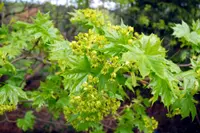
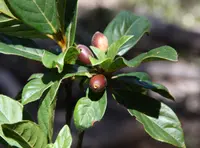
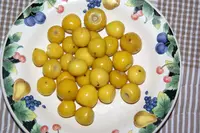
Black cherry, Prunus serotina, is a fast-growing deciduous tree native to North America. It is commonly found in forests, hedgerows, and old fields. Mature trees develop a straight trunk with dark, flaky bark and an oval crown. In spring, they carry clusters of small white flowers that mature into dark purple to black cherries. The species is valued for its hard, reddish-brown timber and for wildlife food, but it can self-seed and spread in suitable conditions. It prefers full sun, moderately moist, well-drained soil, and space for its deep roots, which guides how to care for black cherry in gardens or larger properties.

Main Plant Requirements

Care Difficulty

Moderate Care

Light Preference

Full Sun

Water Requirements

Moderate Water

Temperature Preference

Cold Hardy

Hardiness Zone

3–9

Soil Texture

Sandy, Loamy, Clay

Soil pH

Acidic (5.5–6.5), Slightly acidic (6.5–7.0)

Soil Drainage

Well-drained

Fertilization

Minimal (feed rarely)

Get Personalized Care Plan

Scan your plant to receive care tips personalized for your specific plant

Available on iOS and Android

How to Care for the black cherry

This species develops best as a full-sun woodland edge or open-field tree with strong light exposure.

  • Provide 6–8 hours of direct sun daily; black cherry tolerates light afternoon shade but grows tallest and fullest in open sun.
  • Young trees accept partial shade (3–4 hours direct sun plus bright indirect light), but prolonged deep shade reduces flowering and fruiting.
  • In hot climates, protect from intense late-afternoon sun on dry, shallow soils to limit leaf scorch, and ensure competing trees do not heavily shade the crown over time.

This tree prefers consistently moist but not saturated soil, especially during establishment.

  • During the first 2–3 growing seasons, water when the top 5–8 cm of soil feel dry, applying a slow, deep soak rather than light surface sprinkling.
  • Once established, Prunus serotina relies mostly on rainfall but benefits from supplemental deep watering in prolonged dry spells when leaves start to lose gloss or curl slightly.
  • Ensure well-drained soil; persistent puddling, sour smell, or yellowing leaves with soft new growth indicate overwatering, while crisp leaf edges and premature leaf drop suggest drought stress.

This temperate-zone tree is cold hardy yet appreciates moderate summer temperatures for best growth.

  • Optimal growing-season temperatures are around 65–80°F (18–27°C), supporting steady shoot and root development.
  • Mature trees tolerate winter lows near -30°F (-34°C) when fully dormant, but late spring frosts below 28°F (-2°C) can damage blossoms and young shoots.
  • Heat tolerance is good up to about 90–95°F (32–35°C) if soil moisture is maintained; prolonged extreme heat with drought can cause leaf scorch and reduced fruit set.

Humidity is rarely a limiting factor for black cherry in typical outdoor conditions across most climates.

Prunus serotina prefers deep, moderately moist, well-drained mineral soils for stable growth and root health.

  • Use a loamy or sandy-loam texture with 3–5 cm of incorporated compost to support root development.
  • Aim for slightly acidic to neutral pH, roughly 5.5–7.0, and avoid highly calcareous, very alkaline sites.
  • Ensure excess water can move away by avoiding compacted or heavy clay and by improving drainage on low-lying sites.
  • Improve aeration on marginal soils by mixing in coarse sand or fine gravel, especially where seasonal waterlogging is a risk.

This species is generally unsuitable for long-term container growing due to its eventual large size and deep root system.

Prunus serotina usually grows well in average soil and needs only light, targeted feeding.

  • For young or stressed trees, apply a balanced slow-release NPK granular fertilizer once in early spring.
  • Use a low to moderate rate, staying at the lower end of the product’s label for trees in native or lawn settings.
  • Avoid summer high-nitrogen feeds, which can cause weak late growth prone to winter damage.
  • Where soil is poor, add a thin layer of compost over the root zone in spring instead of frequent fertilizer applications.

Prunus serotina benefits from thoughtful structural pruning to keep it healthy and safe.

  • Plan main pruning for late winter or very early spring before bud break.
  • Remove dead, diseased, crossing, or storm-damaged branches first to reduce pest and decay risks.
  • Thin crowded interior branches to improve light penetration and airflow, guiding a strong single leader where possible.
  • Use clean, sharp bypass pruners or a pruning saw, making smooth cuts just outside the branch collar.

Black cherry is typically grown in the ground, so focus on careful transplanting from nursery containers or seedling beds.

  • Transplant in late fall after leaf drop or early spring before bud break to limit stress.
  • Look for roots circling the container or emerging from drainage holes as a sign a young tree is ready to move.
  • Loosen or slice circling roots and set the tree at the same soil level in a prepared, well-drained planting hole.
  • Water deeply after planting, then maintain consistent moisture and a 5–8 cm mulch ring to support root establishment.

Prunus serotina is usually propagated by seed for forestry and restoration rather than for home production.

  • Collect ripe cherries in late summer to early fall, clean off pulp, and dry seeds briefly.
  • Provide cold stratification at about 34–41°F for 2–3 months to break seed dormancy.
  • Sow in a free-draining, slightly acidic medium, keeping it evenly moist and protected from rodents and birds.
  • Softwood cuttings taken in early summer can root under high humidity and bottom heat but are less reliable than seed.

Mature Prunus serotina is cold hardy in much of the US and usually needs minimal winter care.

  • Young trees benefit from a 5–8 cm mulch layer over the root zone, kept away from the trunk.
  • In windy or exposed sites, use a breathable trunk wrap on saplings to limit frost cracks and sunscald.
  • Container-grown specimens in cold regions should be moved into an unheated but frost-moderated space or heavily insulated.

Care Tips

Central leader training

In the first 3–5 years, select one strong, upright stem as the central leader and remove competing uprights in late winter to build a stable, storm‑resistant crown.


Early branch spacing

When branches are still under 2.5 cm thick, selectively remove or shorten closely stacked limbs so main scaffold branches are spaced 30–45 cm apart up the trunk for stronger structure and better light penetration.

Trunk protection zone

Maintain a 60–90 cm wide grass‑free mulch ring around the trunk and avoid string trimmers or mowers touching the bark, since mechanical injury is a common entry point for canker and borers when growing black cherry.

Tent caterpillar management

Inspect young trees in early spring for silken tents in branch crotches and prune out or destroy nests promptly before larvae spread and defoliate large sections of the canopy.

Mast and seedling control

Once mature trees begin heavy fruiting, monitor surrounding lawn and beds for volunteer seedlings each spring and hand‑pull them while small to prevent unwanted thickets and root competition.

Common Pests and Diseases

Black knot

This disease produces hard, black, swollen galls on twigs and branches that gradually girdle and kill affected wood.

Solution

Prune out infected twigs and branches at least 15–20 cm below visible galls during dry weather and disinfect tools between cuts; destroy all prunings. Improve airflow and light penetration through regular thinning, and in high-pressure areas consider preventive fungicide sprays labeled for black knot on cherries, following local extension guidance as part of broader Prunus serotina care.

Cherry leaf spot

This disease causes small purple to reddish spots on leaves that turn brown, often leading to premature leaf drop and reduced vigor.

Solution

Rake and destroy fallen leaves to remove the main source of spores and avoid overhead watering that keeps foliage wet. In repeated problem areas, combine good sanitation and pruning for airflow with a labeled protective fungicide program started just after leaf-out if recommended by local extension services.

Eastern tent caterpillar

These insects create webbed tents in branch crotches and defoliate sections of the canopy, especially in spring.

Solution

Physically remove and destroy tents by pruning out or tearing them down in the early morning or evening when caterpillars are inside. For larger infestations, use a targeted biological insecticide containing Bacillus thuringiensis (Bt) on young larvae, avoiding applications when beneficial insects are most active.

Cherry scallop shell moth

This pest’s caterpillars skeletonize leaves, giving foliage a scorched or lace-like appearance and weakening young trees when populations are high.

Solution

Monitor leaves in late spring and early summer, handpick or shake off caterpillars where feasible, and prune out small, heavily infested twigs. For recurring problems, encourage natural predators and, if needed, apply a selective product such as Bt to young larvae according to label directions.

Peach bark beetle

This pest bores into the bark and cambium, creating galleries that can weaken branches and make trees more vulnerable to dieback and secondary infections.

Solution

Maintain tree vigor through proper watering and avoidance of mechanical damage, and promptly remove and destroy heavily infested or dead branches that harbor beetles. For severe, ongoing infestations in orchards or landscape groupings, consult local extension recommendations on timing of trunk sprays or pheromone trapping as part of integrated management.

Interesting Facts

Cyanide-bearing leaves

The wilted leaves contain cyanogenic glycosides that can release hydrogen cyanide when chewed by livestock, which makes fallen foliage potentially dangerous in pastures even though many wild mammals browse it cautiously.

Key forest pioneer

This species often colonizes disturbed or abandoned land in eastern North America, helping shade-tolerant hardwoods establish later and playing an important role in natural forest succession dynamics.

Specialist insect relationships

The foliage supports numerous specialist moth and butterfly caterpillars, including some tent caterpillars that preferentially build their communal silk nests in its branches, making it a significant host tree for native Lepidoptera.

Botan icon

Did you know?

Black cherry’s dark, fine-grained heartwood is so valued for high-end cabinetry and musical instruments that extensive historical logging in parts of Appalachia and the Northeast was driven in large part by demand for this single species.

FAQs about black cherry

This species is generally fast-growing, often adding 30–60 cm in height per year in good conditions. Growth slows with age. Rate varies with light, soil fertility, moisture, and competition from nearby vegetation when growing black cherry in landscape settings.

Grow Healthy Plants with Botan Care

Keep your plants happy and healthy with plant identification, disease detection, and easy care guidance.

Botan plant care app — identify plants on mobile

Explore More Plants