Burmese fishtail palm Care (Caryota mitis)

Burmese fishtail palm

About Burmese fishtail palm

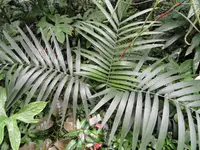
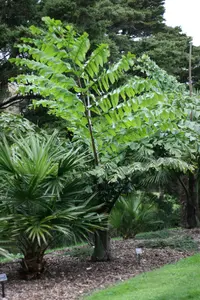
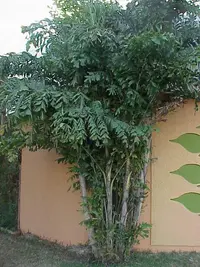
The Burmese fishtail palm, Caryota mitis, is a clustering palm known for its triangular, ragged leaflets that resemble a fishtail. It usually forms dense multi-stemmed clumps rather than a single tall trunk.

This species is native to tropical regions of Southeast Asia and often grows as an understory palm in warm, humid forests. Its moderate growth rate and need for steady moisture make it somewhat less forgiving of neglect than some common houseplants.

For anyone learning how to care for Burmese fishtail palm, it helps to know it prefers bright, filtered light, evenly moist but well-drained soil, and shelter from cold or very dry air.

Main Plant Requirements

Care Difficulty

Moderate Care

Light Preference

Partial Shade

Water Requirements

Keep Soil Moist

Temperature Preference

Tropical / Frost Sensitive

Hardiness Zone

10–11

Soil Texture

Loamy, Sandy, Organic-rich

Soil pH

Acidic (5.5–6.5), Slightly acidic (6.5–7.0)

Soil Drainage

Moist but well-drained

Fertilization

Light (every 4–6 weeks)

Get Personalized Care Plan

Scan your plant to receive care tips personalized for your specific plant

Available on iOS and Android

How to Care for the Burmese fishtail palm

Caryota mitis prefers bright, indirect light that mimics dappled tropical canopy conditions.

  • Provide 4–6 hours of bright, filtered light daily, such as near an east-facing exposure or under light shade cloth outdoors.
  • Tolerates partial shade, but in very low light fronds stretch, lose density, and the Burmese fishtail palm may develop sparse, pale growth.
  • Avoid harsh midday and afternoon sun, which can scorch leaf tips and edges; increase light gradually in spring to prevent sudden burn.

Caryota mitis needs evenly moist but never waterlogged soil to maintain healthy fronds and roots.

  • Water when the top 2–4 cm of soil feels dry, allowing deeper soil to remain slightly moist rather than fully drying out.
  • Use a well-drained soil or planting site so excess water can escape; persistent puddling, sour smell, or blackened roots indicate overwatering.
  • In warm active growth, monitor more often, while in cooler seasons reduce frequency; drooping, crisp leaf tips suggest underwatering, while yellowing lower fronds suggest excess moisture.

This palm thrives in warm, frost-free conditions that stay fairly stable across the year.

  • Aim for 65–85°F (18–29°C) for best growth; short exposures up to 90°F (32°C) are tolerated if humidity and soil moisture are adequate.
  • Avoid temperatures below 55°F (13°C); brief dips to 40–45°F (4–7°C) may cause leaf damage and spotting, especially on young plants.
  • Protect from frost and cold winds, which can burn foliage and kill growing tips; in hot spells above 90°F (32°C), provide shade and increase air movement.

This species prefers moderately high humidity and reacts to very dry air.

  • Aim for 50–70% humidity to keep leaf tips from browning and to support steady growth.
  • Tolerates short periods of 35–40% air moisture, but prolonged dryness causes crisped leaf edges and slowed new fronds.
  • If the Burmese fishtail palm shows tip burn or curling, group plants, use a pebble tray, or run a small humidifier nearby.

This palm needs a loose, fast-draining, organic-rich mix to protect roots from rot.

  • Use a peat- or coco coir-based potting mix amended with perlite and fine bark to create a light, airy structure.
  • Target slightly acidic to neutral pH around 6.0–7.0, which suits typical Caryota mitis nutrient uptake.
  • Ensure water drains through in seconds, not minutes; heavy, compact, or clay-based substrates stay wet too long and suffocate roots.
  • Improve drainage and aeration further by adding coarse sand or extra perlite if the mix feels dense or stays wet beyond 2–3 days.

This species is suitable for container growing when the pot supports its vigorous, clumping root system.

  • Choose a wide, stable pot so multiple stems do not lean or become top-heavy as they gain height.
  • Select a container material that matches your climate, such as heavier ceramic to slow moisture loss in hot, dry conditions.
  • Raise the pot slightly on feet or bricks so drainage holes stay clear and excess water exits quickly after each watering.

Caryota mitis benefits from moderate, consistent feeding to support steady foliage growth.

  • Use a balanced liquid fertilizer (for example 10-10-10 or 20-20-20) at 1/2 strength every 4–6 weeks in spring and summer.
  • Alternatively, apply a slow-release palm or general-purpose fertilizer at the start of the growing season.
  • Pause feeding in winter or when growth slows, as the Burmese fishtail palm is semi-dormant then.
  • Always water before and after applying fertilizer to limit root burn and improve nutrient uptake.

Pruning Caryota mitis focuses on cleanliness and safety rather than shaping.

  • Conduct light pruning in late winter or early spring, before strong new growth starts.
  • Remove dead, yellowing, or damaged fronds at the base using sharp, disinfected pruners.
  • Thin only obviously crowded stems to improve airflow while keeping the natural clumping form.
  • Avoid cutting green, healthy fronds, since this can weaken the plant and slow growth.

Container-grown Caryota mitis needs occasional repotting to maintain healthy root growth.

  • Repot every 2–3 years, or when roots circle the pot, emerge from drainage holes, or growth slows.
  • Choose late spring or early summer, using a slightly larger container with a well-draining, peat-free potting mix.
  • Gently loosen circling roots, trim only broken ones, and keep the root ball as intact as possible.
  • Water thoroughly after repotting, keep in bright indirect light, and reduce stress by avoiding heavy fertilization for 4–6 weeks.

Propagation of Caryota mitis is possible but somewhat slow and requires patience.

  • Division of clumps in late spring is the most practical method for home growers.
  • Lift the plant, separate offsets with several stems and roots, and pot each in a free-draining mix.
  • Keep new divisions warm (70–80°F), evenly moist, and in bright, indirect light for root establishment.
  • Seed propagation is also possible but slow; fresh seed germinates best with bottom warmth and constant moisture.

Caryota mitis is frost-sensitive and needs thoughtful winter care in cool climates.

  • Keep temperatures above 50°F; prolonged exposure near freezing can damage or kill foliage.
  • Move container plants indoors or into a heated greenhouse before the first frost.
  • In mild climates, apply 5–8 cm of mulch around the root zone, keeping it away from the trunk.
  • Reduce watering in winter, allowing the top layer of soil to dry slightly between waterings.

Care Tips

Rotate For Symmetry

Turn the pot 90° every 2–3 weeks so all sides receive similar light, which keeps the clumps balanced and reduces leaning or one-sided growth when growing Burmese fishtail palm.

Manage Old Stems

When individual canes become bare and unattractive, remove them at the base with clean, sharp pruners to allow light and resources to reach younger, fuller stems.

Stabilize Multi‑Stems

If the clump becomes top‑heavy, insert 2–3 discreet stakes around the root ball and loosely tie several stems together with soft ties to prevent wobbling or root disturbance.

Strategic Pot Positioning

Place the container where air movement is gentle rather than directly in front of vents or doors, which helps prevent frond tearing and desiccated tips on this thin‑leafed palm.

Quarantine New Plants

Keep any new palms or houseplants at least 2–3 weeks in a separate area and inspect fronds and leaf bases regularly, reducing the risk of mealybugs, scale, or spider mites spreading to established clumps.

Common Pests and Diseases

Spider mites

This pest thrives on Caryota foliage in warm, dry indoor air and causes tiny yellow stippling, dull fronds, and fine webbing along leaf undersides and petioles.

Solution

Rinse fronds thoroughly with a strong, lukewarm shower, focusing on leaf undersides, then repeat every few days; increase humidity and reduce heat stress, and if populations persist, apply insecticidal soap or a horticultural oil labeled for palms, ensuring full coverage of all fronds and stems.

Scale insects

These insects appear as small, fixed bumps on stems and leaf midribs and withdraw sap, leading to yellowing, thinning canopies, sticky honeydew, and black sooty mold growth.

Solution

Physically remove clusters with a cotton swab dipped in alcohol on small plants, prune heavily infested fronds, and then treat remaining tissue with insecticidal soap or light horticultural oil at 7–10 day intervals until new growth emerges clean.

Mealybugs

This pest forms white, cotton-like clusters at leaflet bases, in crown areas, and along stems, causing distorted new growth and weakened, slow-growing clumps.

Solution

Dislodge visible colonies with a strong water spray, wipe remaining insects with alcohol-dampened cotton, then follow with repeated applications of insecticidal soap, paying special attention to tight leaf bases and the multi-stem crown typical for Caryota mitis plant care.

Ganoderma butt rot

This disease, caused by the fungus Ganoderma zonatum, attacks the lower trunk and root flare of outdoor plantings, leading to progressive decline, wilting, and canopy thinning; flat, shelf-like conks may appear at the base.

Solution

Remove and destroy affected palms, including as much of the stump and major roots as possible, avoid replanting any palm species in the same spot, and improve drainage and soil health in nearby planting areas to reduce future risk.

Leaf spot

This disease causes discrete brown, tan, or purplish spots on leaflets that may coalesce under humid, crowded conditions, reducing photosynthesis and overall vigor.

Solution

Remove and discard heavily spotted fronds, avoid overhead watering that keeps foliage wet, improve spacing and air movement, and use a copper- or chlorothalonil-based fungicide labeled for palms if new spots continue to appear on young leaves.

Interesting Facts

Clustering multi-stem habit

This species naturally forms dense clumps of multiple slender stems from a single root system, unlike solitary fishtail palms that grow only one main trunk.

Monocarpic flowering pattern

Individual stems of this palm are monocarpic, meaning each stem flowers only once in its lifetime, then slowly declines and dies while new stems continue to grow from the clump.

Bird-dispersed red fruits

Its bright red, berry-like fruits are an important food source for birds in its native Southeast Asian range, which then disperse the seeds through their droppings.

Botan icon

Did you know?

Caryota mitis produces needle-like calcium oxalate crystals in its fruit pulp, which can cause intense irritation if handled or eaten, a defense that likely reduces damage from mammal herbivores.

FAQs about Burmese fishtail palm

Brown tips usually come from low humidity, underwatering, or salt buildup from fertilizer and hard water. Increase humidity, water thoroughly but not constantly, and occasionally flush the potting mix to remove excess salts.

Grow Healthy Plants with Botan Care

Keep your plants happy and healthy with plant identification, disease detection, and easy care guidance.

Botan plant care app — identify plants on mobile

Explore More Plants