Chinese tallow Care (Triadica sebifera)

Also known as: Chinese Tallow Tree, popcorn tree
Chinese tallow

About Chinese tallow

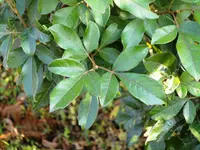
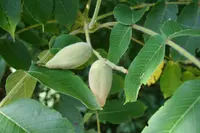
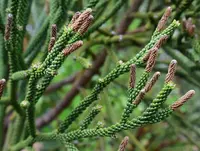
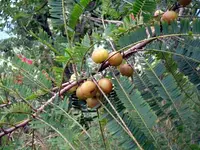
Chinese tallow, Triadica sebifera, is a fast-growing deciduous tree known for its dense canopy and striking autumn color. It typically has heart-shaped leaves and small, clustered fruits with waxy white seeds.

The species is native to East Asia but is now widely naturalized in the southern United States, where it can become invasive in warm climates. It tolerates a range of soils and moisture levels, which makes it adaptable but also harder to control.

Gardeners who want to care for Chinese tallow should understand that its vigorous growth and abundant seed production can lead to unwanted spreading. It generally prefers full sun and moist, well-drained soil.

Main Plant Requirements

Care Difficulty

Easy Care

Light Preference

Full Sun

Water Requirements

Moderate Water

Temperature Preference

Warm Climate

Hardiness Zone

8–11

Soil Texture

Sandy, Loamy, Clay

Soil pH

Acidic (5.5–6.5), Slightly acidic (6.5–7.0)

Soil Drainage

Moist but well-drained

Fertilization

Minimal (feed rarely)

Get Personalized Care Plan

Scan your plant to receive care tips personalized for your specific plant

Available on iOS and Android

How to Care for the Chinese tallow

This deciduous tree needs strong outdoor light to color well and grow compactly.

  • Provide 6–8 hours of direct sun daily; in hot inland summers, aim for morning sun with some protection from harsh late-afternoon rays.
  • Young Chinese tallow trees tolerate light partial shade (3–4 hours direct sun), but dense shade causes lanky growth and sparse foliage.
  • In winter, full sun is still preferred; in hot climates, consider light seasonal shade from 2–5 pm to reduce leaf scorch on exposed sites.

This species prefers consistently moist but not waterlogged soil, especially while establishing.

  • Water deeply when the top 3–5 cm of soil feels dry, allowing moisture to penetrate 20–30 cm to encourage deeper roots.
  • Reduce frequency in cool or rainy seasons; in hot dry periods, increase watering if leaves droop by midday but recover by evening.
  • Watch for yellowing leaves and soggy soil as signs of overwatering, and crisp leaf edges or premature leaf drop as signs of underwatering in Triadica sebifera.

This hardy tree handles a wide climate range but responds best to moderate warmth during the growing season.

  • Optimal growth occurs around 70–85°F (21–29°C), with active leaf and shoot development in late spring and summer.
  • Mature trees tolerate down to about 10–15°F (-12 to -9°C); young plants are more vulnerable and benefit from protection from hard frosts.
  • Heat tolerance is good up to about 95°F (35°C) if soil moisture is maintained; extended extremes beyond this can cause leaf scorch and early leaf drop.

This species tolerates a wide humidity range, so humidity is rarely a limiting factor for healthy growth outdoors.

This tree prefers evenly moist, moderately fertile mineral soils but adapts to a wide range if extremes are avoided.

  • Use loamy or sandy loam soil with moderate organic matter, allowing roots to anchor firmly without becoming waterlogged.
  • Aim for slightly acidic to neutral pH around 6.0–7.0, as Triadica sebifera grows poorly in highly alkaline or strongly acidic substrates.
  • Improve drainage and aeration by incorporating coarse sand or fine gravel rather than only peat or compost, especially in heavier native soils.
  • Avoid compacted clay and permanently saturated sites, which restrict oxygen around the roots and promote rot and instability.

This species can be grown in containers when young, mainly for temporary cultivation or controlled situations.

  • Choose a deep, heavy container that resists tipping, since the developing woody top growth becomes increasingly wind-sensitive.
  • Use a coarse, fast-draining mix and raise the pot slightly off the ground so drainage holes never sit in standing water.
  • Position the container where it is sheltered from strong prevailing winds, which can stress roots constrained by a limited soil volume.

Triadica sebifera grows well in average soil and usually needs only light fertilization to support healthy growth.

  • Apply a balanced slow-release fertilizer (for example 10-10-10) once in early spring for in-ground trees with poor or depleted soil.
  • For container-grown Chinese tallow, use a diluted balanced liquid feed at 1/2 strength every 4–6 weeks during the growing season.
  • Avoid fertilizing in late fall and winter, as the tree is dormant and excess nutrients can stress roots.
  • Always water before and after applying fertilizer to reduce root burn and encourage even nutrient uptake.

Pruning Triadica sebifera helps manage size, structure, and safety, especially in smaller gardens or near buildings.

  • Carry out main pruning in late winter or very early spring, before new growth begins.
  • Remove dead, diseased, crossing, or storm-damaged branches using clean, sharp bypass pruners or a pruning saw.
  • Thin crowded interior branches to improve light penetration and airflow, which supports healthier foliage.
  • Limit heading cuts; instead, favor selective thinning cuts to guide overall shape and maintain a stable central framework.

Triadica sebifera is usually grown in the ground, so transplanting young trees correctly is more important than frequent repotting.

  • Transplant in early spring or early fall, when temperatures are mild and moisture is more consistent.
  • Look for signs such as roots circling the container, visible through drainage holes, or slowed top growth as cues to shift up a pot size or plant out.
  • When transplanting, keep the root ball intact, tease only the outer circling roots, and plant at the same soil depth as before.
  • Water deeply after planting, then maintain even moisture for several weeks to reduce transplant shock and help roots establish.

Reproduction of Triadica sebifera is mainly done by seed, although cuttings and root sprouts are also possible in some situations.

  • Collect mature seeds in late summer to fall, clean off the waxy coating, and sow in a well-drained seed mix.
  • Provide a cool, moist stratification period of 60–90 days at around 35–40°F to improve seed germination rates.
  • Sow stratified seeds in spring, keep the substrate evenly moist, and place in bright, indirect light until seedlings establish.
  • For vegetative propagation, take semi-hardwood cuttings in late summer, use rooting hormone, and maintain high humidity and bottom warmth.

Established Triadica sebifera trees are generally cold hardy in mild to moderate winter climates and need little active winter care.

  • Tolerates light to moderate frost once established, but young trees benefit from some protection in their first 1–2 winters.
  • Apply a 5–8 cm mulch layer around the root zone in late fall, keeping it slightly away from the trunk to reduce rot risk.
  • Move container-grown plants into a sheltered, unheated but frost-free area, and water sparingly to keep the root ball just slightly moist.

Care Tips

Root zone management

When planting in the landscape, use a broad, shallow planting hole and keep mulch 7–10 cm away from the trunk flare so surface roots can oxygenate well and the bark stays dry and resistant to rot.


Formative structural pruning

In the first 3–5 years, remove competing leaders and closely spaced or steeply upright branches to develop a single strong trunk and well-spaced scaffold limbs that better tolerate wind and reduce future breakage.

Sucker and seedling control

Inspect the area around mature trees several times per year and promptly cut or pull up root suckers and volunteer seedlings so the plant’s energy stays in the main canopy and unwanted spread is minimized.

Storm and wind preparation

In regions with strong storms, thin the canopy lightly before the windy season by removing weak, crossing, or heavily shaded interior branches so wind can pass through more easily and limb failure risk is reduced.

Site choice for containment

When growing Chinese tallow, choose an isolated, managed site away from natural waterways or wild areas, and regularly remove seed-bearing catkins if local regulations or conditions require strict containment.

Common Pests and Diseases

Chinese tallow leaf beetle

This pest feeds heavily on leaves, causing skeletonization, ragged edges, and premature leaf drop. Severe infestations can weaken young trees and reduce growth.

Solution

Handpick and destroy beetles and larvae on small trees and saplings, and prune out heavily infested twigs if practical. For larger or landscape trees, monitor regularly and, if damage increases, consult a local extension service about timing targeted treatments with a registered foliar insecticide or biological control suited to Triadica sebifera care instructions in your area.

Flea beetles

These insects chew many small round holes in young leaves, giving foliage a shot‑holed or lace‑like appearance. Damage is usually most noticeable on seedlings and young plants in sunny, open sites.

Solution

Use floating row covers or fine mesh barriers over young plants to reduce beetle access and encourage natural predators by keeping nearby vegetation diverse. If damage is severe on small trees, apply a horticultural soap or neem-based product to the foliage according to label directions, focusing on the undersides of leaves and repeating as needed.

Scale insects

This pest appears as small, dome‑shaped or flattened bumps on stems and sometimes leaves, often accompanied by sticky honeydew and sooty black mold. Heavy infestations can cause leaf yellowing, reduced vigor, and twig dieback.

Solution

Prune and discard badly infested twigs, then gently scrub remaining scales from stems with a soft brush and mild soapy water. For persistent cases, use horticultural oil during the dormant season or a lightweight oil in the growing season, coating stems and branch crotches thoroughly to smother the insects.

Leaf spots

This disease causes scattered brown, tan, or dark purple spots on leaves that may merge into larger blotches, sometimes leading to early leaf drop in late summer. Symptoms include more severe spotting in crowded, humid conditions or after prolonged leaf wetness.

Solution

Rake and dispose of fallen leaves to reduce fungal spores, and thin nearby vegetation to improve air movement through the canopy. Avoid overhead watering, and if severe defoliation repeats over several seasons, consult local extension resources about a suitable preventive fungicide applied in spring as new leaves emerge.

Canker diseases

This disease produces sunken, discolored patches on branches or the trunk, often with cracking bark and dieback of twigs beyond the affected area. Infected limbs may wilt suddenly, especially following drought, mechanical injury, or other stress.

Solution

Prune out cankered branches well below the visible damage during dry weather, disinfecting tools between cuts with alcohol or a 10% bleach solution. Reduce plant stress by watering during extended dry periods, avoiding trunk wounds, and maintaining a mulch ring around the base to protect roots while keeping mulch away from direct bark contact.

Interesting Facts

Natural wax producer

The seeds are coated in a solid fat known as vegetable tallow, which has been used for centuries in China to make candles, soap, and fuel.

Nitrogen-fixing root partners

Its roots commonly associate with nitrogen-fixing bacteria, which enrich surrounding soils and can give the tree a competitive advantage over neighboring plants.

Aggressive invader status

In the southern United States this species is classified as an invasive tree, forming dense stands that displace native vegetation and alter fire regimes.

Botan icon

Did you know?

In parts of the southeastern United States, land managers use herbicide treatments followed by prescribed fire to control dense stands of this tree, because its ability to resprout from stumps and roots makes mechanical removal alone largely ineffective.

FAQs about Chinese tallow

This species spreads aggressively through abundant seed production and root suckers. Birds disperse the seeds, leading to dense thickets that outcompete local vegetation. In many regions it is classified as invasive and should not be planted outdoors.

Grow Healthy Plants with Botan Care

Keep your plants happy and healthy with plant identification, disease detection, and easy care guidance.


Botan plant care app — identify plants on mobile

Explore More Plants