Manage Suckering Shoots
Inspect the base and root zone every few weeks in the growing season and promptly cut off any suckers at or just below soil level to maintain a single strong trunk and prevent energy loss into unwanted shoots.

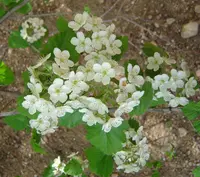
Downy hawthorn, Crataegus mollis, is a small deciduous tree or large shrub known for its rounded crown, dense branching, and attractive spring flowers. It develops soft, downy leaves and stout thorns, followed by clusters of red fruit that attract birds.
This species is native to central and eastern North America, often found in open woodlands, prairies, and along field edges. It is generally hardy and adaptable, which makes it straightforward to care for downy hawthorn in many garden settings.
The plant tolerates a range of soils as long as drainage is reasonable, and it prefers full sun to light shade with moderate moisture. Its toughness and wildlife value make it suitable for naturalistic or low-maintenance landscapes.

Care Difficulty
Easy Care

Light Preference
Full Sun

Water Requirements
Moderate Water

Temperature Preference
Cold Hardy

Hardiness Zone
3–7

Soil Texture
Loamy, Clay, Organic-rich

Soil pH
Acidic (5.5–6.5), Slightly acidic (6.5–7.0)

Soil Drainage
Moist but well-drained

Fertilization
Minimal (feed rarely)
Scan your plant to receive care tips personalized for your specific plant
Available on iOS and Android
Crataegus mollis grows best in open sites with ample direct sun for dense foliage and flowering.
Crataegus mollis prefers evenly moist, well-drained soil once established in the landscape.
This hardy hawthorn thrives in temperate climates with cold winters and warm summers outdoors.
Humidity is rarely a limiting factor for Crataegus mollis, which adapts well to typical outdoor conditions.
Crataegus mollis prefers moderately fertile, moisture-retentive but free-draining soil for stable growth and root health.
This species is generally not suitable for long-term container growing due to its size and deep root system.
This native tree usually grows well in average soil and only benefits from modest feeding in poor or very depleted sites.
Crataegus mollis benefits from light, purposeful pruning to maintain a healthy, open canopy and good flowering.
This hawthorn is primarily a landscape tree and is usually transplanted from the ground or from nursery containers rather than repotted long term.
Crataegus mollis is typically propagated by seed, which is slow and requires specific conditions, so it is not commonly done by home gardeners.
This species is cold hardy in much of the US and usually needs minimal winter attention once established in the ground.

Plant Health Check
Not sure what's wrong with your plant? Check your plant's health inside the app.
This species has unusually large, softly hairy leaves for a hawthorn, often reaching 6–10 cm, which gives the tree a distinctive gray-green, slightly velvety look compared with many other North American hawthorns.
In late spring it produces dense, showy clusters of white flowers that can nearly cover the canopy, making it one of the more conspicuous flowering native hawthorns in the central and eastern United States.
Its fleshy red haws (fruits) mature in late summer to fall and are heavily used by many songbirds and small mammals as an energy-rich food source, particularly in more open woodland and hedgerow habitats.

Individual trees of this species can live for well over 100 years, allowing single specimens to function as long-term habitat structures and wildlife food sources across multiple human generations.
Growth is moderate. Young trees typically add about 20–30 cm per year, sometimes more in ideal conditions. Establishment may be slow in the first 2–3 years while roots develop, then shoot growth becomes more noticeable.
Keep your plants happy and healthy with plant identification, disease detection, and easy care guidance.