nightblooming cereus Care (Peniocereus greggii)

Also known as: Arizona Queen of the Night, Deer-Horn Cactus, Sweet Potato Cactus, Desert Night-blooming Cereus, Queen of the Night, Gregg's Nightblooming Cereus
nightblooming cereus

About nightblooming cereus

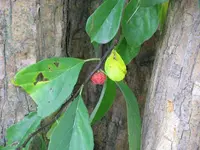
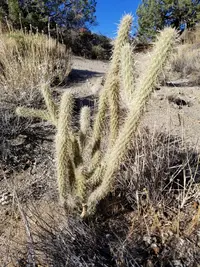
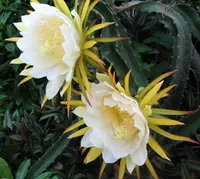
Nightblooming cereus (Peniocereus greggii) is a desert cactus known for its thin, gray-green, often leafless stems that blend into surrounding shrubs. It produces large, fragrant white flowers that open for a single night in summer, followed by red, fleshy fruits with black seeds.

This species is native to arid regions of the southwestern United States and northern Mexico, where it grows in rocky, well-drained soils. It is slow growing, somewhat fussy about overwatering, and needs strong light, which can make how to care for nightblooming cereus slightly challenging for beginners.

It generally prefers bright sun, low to moderate moisture, and gritty, fast-draining soil that mimics desert conditions.

Main Plant Requirements

Care Difficulty

Moderate Care

Light Preference

Full Sun

Water Requirements

Low Water

Temperature Preference

Warm Climate

Hardiness Zone

8–11

Soil Texture

Sandy, Rocky, Loamy

Soil pH

Slightly acidic (6.5–7.0), Neutral (7.0)

Soil Drainage

Well-drained

Fertilization

Minimal (feed rarely)

Get Personalized Care Plan

Scan your plant to receive care tips personalized for your specific plant

Available on iOS and Android

How to Care for the nightblooming cereus

This desert cactus thrives in strong light but benefits from some protection during the hottest hours.

  • Provide 6–8 hours of direct sun daily, ideally with morning sun and light afternoon shade, especially in hot inland climates.
  • Young or recently transplanted nightblooming cereus plants need filtered light or 30–40% shade cloth until stems harden to prevent scorching.
  • If stems become pale, thin, or elongated, increase sun exposure gradually over 1–2 weeks to avoid sunburn patches.

Watering should mimic brief desert rains followed by dry periods.

  • Allow soil to dry at least in the top 5–8 cm before watering, then soak thoroughly so excess drains away, avoiding any standing water around roots.
  • In the active growing season, use visual cues: slightly wrinkling stems suggest it is time to water, while soft, darkened tissue points to overwatering.
  • During cool months, reduce watering sharply and irrigate only on warm, dry spells to prevent the tuberous roots of Peniocereus greggii from rotting.

This species is adapted to hot, arid climates but is vulnerable to frost and prolonged cold.

  • Aim for 75–95°F (24–35°C) in the growing season, with low humidity and good air movement to reduce fungal risk.
  • Protect from temperatures below 40°F (4°C); brief dips to 32°F (0°C) may be survived but can damage stems, especially in exposed, windy sites.
  • In very hot spells above 100°F (38°C), provide light shade during midafternoon and ensure the soil is well drained to limit heat stress.

This cactus tolerates very dry air and usually does not need special humidity management indoors.

  • Target 30–50% humidity, which matches most heated and air-conditioned homes.
  • Dry, wrinkling stems with slow recovery after watering can indicate air is extremely dry or roots are compromised rather than a humidity issue.
  • If indoor air drops below 25% for long periods, place the pot away from direct heater vents instead of using constant misting.

This desert cactus needs a very fast-draining, airy mix that dries quickly between waterings.

  • Use a gritty, sandy mix such as 50–60% inorganic material (pumice, coarse perlite, or horticultural grit) with 40–50% cactus potting mix.
  • Aim for slightly acidic to neutral pH around 6.0–7.0, avoiding strongly acidic, peat-heavy blends that stay wet for too long.
  • Increase aeration by adding extra pumice or coarse perlite until water runs through in seconds and the mix feels loose, not compact.
  • Avoid clay-based or dense loam soils and skip moisture-retentive additives like vermiculite or water-holding crystals when preparing soil for Peniocereus greggii.

This species is well suited to container culture when given a deep, very free-draining setup.

  • Choose a tall, relatively narrow pot to accommodate its tuberous root while limiting excess wet substrate near the surface.
  • Select unglazed terracotta if extra evaporation is needed, especially in cooler or low-light locations where the mix dries slowly.
  • Add a substantial, heavy topdressing or use a weighty pot to stabilize long, vining stems that can make the container top-heavy over time.

This desert cactus needs only light feeding, as it is adapted to nutrient-poor soils.

  • Use a diluted balanced liquid cactus fertilizer (around 10-10-10) at 1/4–1/2 strength during active growth in late spring and summer.
  • Apply every 4–6 weeks, always on pre-watered soil to limit root burn.
  • Skip fertilizer in fall and winter when growth slows and the nightblooming cereus rests.
  • Avoid rich compost or heavy slow-release pellets that stay wet and may cause root problems.

Pruning for Peniocereus greggii is minimal and mainly for health and access, not for shaping.

  • Carry out any pruning in late winter or early spring before strong new growth begins.
  • Use clean, sharp pruners to remove dead, diseased, or badly scarred stems at the base.
  • Thin overly crowded stems to improve air flow and light, keeping the plant’s natural scrambling habit.
  • Limit pruning of healthy green growth, as flowering often occurs on mature stems.

Container-grown plants benefit from careful, infrequent repotting or transplanting to avoid disturbing the tuberous root system.

  • Check for roots circling the pot, pushing from drainage holes, or decline in vigor as signs repotting is needed.
  • Plan repotting or transplanting in late spring, every 3–5 years, when temperatures are consistently warm.
  • Choose a slightly larger pot or site with very fast-draining sandy soil and avoid breaking the swollen roots.
  • Handle the root mass gently, keep it at the same depth, water lightly once, then allow soil to dry between waterings.

Propagation is possible from stem cuttings or seeds but requires warm, dry, and stable conditions.

  • Take 10–15 cm stem cuttings in late spring or early summer, from healthy, non-shriveled segments.
  • Allow cut surfaces to callus for 5–7 days in a shaded, dry place before planting.
  • Set cuttings in a gritty cactus mix, keep at 75–85°F with bright indirect light, and water very sparingly.
  • Sow seeds on well-draining mix, barely cover, maintain gentle warmth, and keep just lightly moist until germination.

Winter care focuses on keeping this desert cactus dry and above freezing, especially in cold, wet climates.

  • Understand it is damaged below about 28–30°F, especially with moisture present.
  • In-ground plants in marginal zones benefit from a coarse gravel mulch over the root zone for drainage and light insulation.
  • Move containers indoors or into a frost-free, bright, cool room before first hard frost.
  • Reduce watering sharply in winter, allowing soil to stay almost completely dry to prevent rot.

Care Tips

Support spindly stems

Install a sturdy trellis or wire frame and loosely tie the thin, vining stems with soft ties so they do not kink or snap under their own weight as they lengthen.


Summer root warm-up

If outdoor conditions are dry and warm, place the pot on a sun-warmed patio or stone surface to gently heat the root zone, which can stimulate stronger growth and flowering in this desert species.

Controlled root restriction

Use a slightly snug, deep pot rather than frequent up-potting, as mild root restriction can encourage better flowering performance rather than excessive vegetative growth.

Minimal organic mulch

Top-dress only the outer edge of the root zone with a very thin layer of coarse gravel or small rocks to reduce evaporation while keeping the crown and stem base completely exposed and dry.

Winter handling pause

During the coolest, darkest months avoid repotting, heavy handling, or relocating the plant so the brittle, dormant stems stay intact and the root system is not disturbed while caring for nightblooming cereus.

Common Pests and Diseases

Mealybugs

This pest feeds on stem tissues and cluster in leaf and areole crevices, causing yellowing, stunted growth, and sooty mold from their honeydew. Symptoms include cottony white masses on the green stem sections and sometimes at the soil line around the woody caudex.

Solution

Isolate the plant, then wipe or dab visible insects with cotton swabs dipped in 70% isopropyl alcohol and repeat weekly until no new insects appear. Improve air movement, avoid excess nitrogen fertilization, and use an insecticidal soap or a labeled systemic insecticide if infestations persist, following product directions carefully.

Spider mites

These insects are tiny sap-feeders that thrive in hot, dry conditions and can cause speckled, dull stems and fine webbing on segment joints. Symptoms include stippling, loss of vigor, and a grayish or dusty look to the green portions of the cactus stems.

Solution

Rinse stems thoroughly with a firm but gentle stream of water, including undersides and crevices, and repeat every few days for several cycles. Raise humidity slightly around the plant without wetting the soil, increase air movement, and use insecticidal soap or horticultural oil labeled for mites if webbing and damage continue.

Scale insects

This pest appears as small, hard or waxy brown, tan, or gray bumps on stems and woody sections, sucking sap and weakening the plant over time. Symptoms include localized yellowing, slow growth, and sticky honeydew that may attract ants or promote sooty mold.

Solution

Physically remove scales with a soft brush or cotton swab dipped in 70% isopropyl alcohol, taking care not to damage the thin stems. For larger infestations, combine repeated manual removal with an application of insecticidal soap or a systemic insecticide labeled for cacti, and monitor closely for new crawlers over several weeks.

Fungal stem canker

This disease develops where water sits on damaged or shaded stem areas, producing sunken, discolored patches that may turn brown or black and eventually collapse. Symptoms include soft or corky lesions that enlarge along the rib, sometimes with a sharp boundary between healthy and diseased tissue.

Solution

Cut out affected tissue with a sterile, sharp knife back into firm, healthy tissue, then allow the wound to dry and callus fully in a dry, shaded, airy place. Reduce overhead watering, improve light and air circulation, keep the plant in a fast-draining cactus mix, and avoid wounding stems during handling to limit new infection sites.

Bacterial soft rot

This disease causes rapidly spreading, foul-smelling, water-soaked areas on stems or the woody caudex, often starting at wounds or spots that stayed wet. Symptoms include mushy tissue that collapses and can destroy whole stem sections in a short time.

Solution

Immediately remove and discard all affected areas with sterilized tools, cutting well into firm tissue, and isolate the plant from others. Allow remaining tissues to dry in bright shade with excellent airflow, keep the soil on the dry side, sterilize pots and tools, and adjust watering so stems and the caudex never sit wet for extended periods, which is central to Peniocereus greggii plant care.

Interesting Facts

Root-stored water reserves

This cactus develops a large, tuberous root that stores water and carbohydrates, allowing the inconspicuous aboveground stems to survive long droughts in its desert habitat.

Moth-pollinated night blooms

Its strongly scented, white flowers open for a single night and are primarily pollinated by hawkmoths, which are attracted by the fragrance and pale color under low-light conditions.

Camouflaged desert stems

The thin, gray-green stems often grow through shrubs and blend into surrounding twigs, a camouflage strategy that helps reduce herbivory and sun exposure in the Sonoran and Chihuahuan deserts.

Botan icon

Did you know?

In parts of the Sonoran Desert, some populations of this species flower so synchronously that local communities celebrate an annual event called Bloom Night, when observers watch many individual plants open their night flowers within the same few hours.

FAQs about nightblooming cereus

This species often needs several years to reach flowering age and prefers a distinct cool, dry rest period in winter. Excess nitrogen fertilizer, frequent repotting, or strong artificial light at night can also reduce bud formation.

Grow Healthy Plants with Botan Care

Keep your plants happy and healthy with plant identification, disease detection, and easy care guidance.

Botan plant care app — identify plants on mobile

Explore More Plants