Anise Hyssop Care (Agastache foeniculum 'Golden Jubilee')

Also known as: Mexican Hyssop, Licorice Mint
Anise Hyssop

About Anise Hyssop

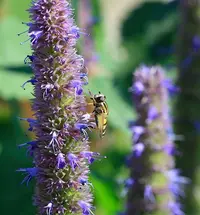
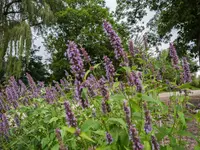
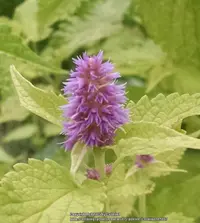
Agastache foeniculum 'Golden Jubilee' is a hardy perennial herb grown mainly for its golden chartreuse foliage and upright spikes of violet-blue flowers. It forms bushy clumps and adds strong color contrast in mixed borders and pollinator gardens.

This cultivar is derived from a North American wild species native to prairie and meadow habitats, so it is adapted to sun, wind, and variable moisture. The leaves have a light anise scent, which attracts bees and butterflies while being generally ignored by deer and rabbits.

The plant is considered easy to grow, as it tolerates poor soils and brief dry periods once established. To care for Anise Hyssop successfully, provide plenty of light, reasonably well-drained soil, and avoid consistently wet conditions.

Main Plant Requirements

Care Difficulty

Easy Care

Light Preference

Full Sun

Water Requirements

Moderate Water

Temperature Preference

Cold Hardy

Hardiness Zone

5–9

Soil Texture

Sandy, Loamy, Organic-rich

Soil pH

Acidic (5.5–6.5), Slightly acidic (6.5–7.0)

Soil Drainage

Well-drained

Fertilization

Minimal (feed rarely)

Get Personalized Care Plan

Scan your plant to receive care tips personalized for your specific plant

Available on iOS and Android

How to Care for the Anise Hyssop

Agastache foeniculum 'Golden Jubilee' develops best color and flowering in bright, direct sun in most climates.

  • Provide 6–8 hours of direct sun daily; morning sun with light afternoon shade suits hot summer areas.
  • Tolerates light or dappled shade for 2–4 hours, but foliage may green up and flowering can decrease.
  • In very intense sun, watch for scorched, bleached leaves and dry soil; in too much shade, stems stretch and flop, with fewer blooms.

Agastache foeniculum 'Golden Jubilee' prefers evenly dry to lightly moist soil and is drought-tolerant once established.

  • Before watering, let the top 3–5 cm of soil dry; in average conditions this may mean watering every 5–10 days in the ground.
  • Use fast-draining soil or amended garden beds so water does not pool; avoid compacted or heavy clay that stays wet after rain.
  • Reduce watering in cool seasons; drooping, crisp leaves indicate underwatering, while yellowing lower leaves and persistent soggy soil suggest overwatering.

This perennial handles a wide range of outdoor temperatures but grows most actively in moderate warmth.

  • Optimal growing temperatures are around 65–80°F (18–27°C), with strongest vegetative growth and flowering in this range.
  • The plant is cold-hardy, surviving winter down to about -20°F (-29°C) when planted in the ground and mulched in colder regions.
  • Heat-tolerant up to about 95°F (35°C) if soil is well-drained; in extended heat or hot, dry wind, expect faster drying soil and possible leaf scorch.

This plant tolerates a wide humidity range and rarely needs special humidity management outdoors.

Agastache foeniculum 'Golden Jubilee' prefers lean, well-drained soil that does not stay wet after rain or watering.

  • Use a light loamy or sandy mix with moderate organic matter rather than dense, heavily amended soil.
  • Aim for slightly acidic to neutral pH, roughly 6.0–7.5, which suits the plant’s nutrient uptake.
  • Blend in coarse sand or fine gravel to improve drainage and prevent water from pooling around the crown.
  • Avoid compacted, clay-heavy, or constantly wet substrates that encourage root rot and weak, lanky growth.

This species is well suited to container growing when drainage and root space are managed carefully.

  • Select a pot at least 25–30 cm deep to accommodate the taproot and reduce tipping in windy conditions.
  • Choose a heavier material such as ceramic or clay if the container is exposed, as tall flower spikes can make it top-heavy.
  • Elevate the pot slightly on feet or bricks so drainage holes clear the surface and runoff does not reabsorb into the mix.

This aromatic perennial needs only light feeding to maintain healthy growth and flowering.

  • Use a balanced, slow-release fertilizer (around 10-10-10) or a thin layer of compost in early spring as new growth starts.
  • Apply fertilizer once per growing season in average soil; skip feeding on very rich or heavily amended beds.
  • For containers, use a half-strength balanced liquid feed every 4–6 weeks during active growth.
  • Stop feeding Anise Hyssop in late summer to early fall so stems harden before winter dormancy.

Thoughtful pruning helps Agastache foeniculum 'Golden Jubilee' stay compact, floriferous, and tidy.

  • In late winter or very early spring, cut back previous year’s stems to 5–10 cm above soil with clean, sharp shears.
  • During summer, deadhead spent flower spikes to encourage continued blooming and reduce self-seeding if desired.
  • Remove dead, damaged, or crossing stems at the base to improve air flow and reduce disease risk.
  • Lightly shape after the first main flush of flowers to maintain a bushy form without cutting into woody bases.

This perennial is most often grown in borders, with transplanting focused on young plants or divisions.

  • Transplant in early spring or early fall when temperatures are mild and the soil is workable.
  • Move plants when growth slows, clumps become crowded, or roots circle inside a container and drain holes.
  • Aim to transplant garden plants every 3–5 years to refresh soil, spacing, and vigor.
  • Water thoroughly before and after moving, keep roots shaded, and trim back top growth slightly to limit transplant shock.

Agastache foeniculum 'Golden Jubilee' is commonly propagated by seed, division, or softwood cuttings.

  • Sow seeds in late winter to early spring on the surface of moist, well-drained mix, as light aids germination.
  • Divide established clumps in early spring, replanting divisions immediately at the same soil depth.
  • Take soft, non-flowering stem cuttings in late spring, using a free-draining medium and high humidity for rooting.
  • Provide bright, indirect light and consistent moisture, keeping temperatures around 65–75°F for best establishment.

This hardy perennial tolerates typical winters in many temperate regions with minimal intervention.

  • Plants usually withstand frost in the ground, especially in well-drained soil that prevents waterlogging.
  • After hard frost, cut back spent stems to 5–10 cm, or leave some for winter structure and wildlife, tidying in late winter.
  • Apply a 5–8 cm mulch layer around the root zone in colder climates, keeping it slightly away from the crown.
  • For containers in very cold areas, move pots to a sheltered, unheated but frost-sheltered spot and reduce watering.

Care Tips

Encourage Bushy Form

Pinch back the top 2–3 cm of young stems when plants are 15–20 cm tall to stimulate side shoots and create a fuller, more self-supporting clump.

Timed Flower Deadheading

Shear off spent flower spikes just above a set of healthy leaves in mid to late summer to trigger a fresh flush of blooms and maintain compact growth.

Winter Crown Protection

In cold climates, wait until hard frosts have fully arrived, then apply a loose 5–8 cm layer of straw or shredded leaves around but not over the crown to reduce freeze–thaw damage.

Color-Safe Placement

Site plants where morning sun and light afternoon shade are typical, such as an east-facing border, to help preserve the golden foliage color from scorching or bronzing in hot regions while still growing Anise Hyssop effectively.

Support Pollinator Visits

Plant in small drifts of 3–5 plants spaced 30–40 cm apart to create a visible nectar block that attracts and retains bees and butterflies, which also improves pollination of nearby crops and ornamentals.

Common Pests and Diseases

Powdery mildew

This disease causes a white, powdery coating on leaves, often starting on the lower foliage in warm, dry conditions with poor air circulation.

Solution

Remove and discard heavily infected leaves, thin crowded stems to improve airflow, and avoid overhead watering; if needed, apply a sulfur or potassium bicarbonate fungicide labeled for ornamentals, following directions carefully as part of Agastache foeniculum 'Golden Jubilee' care instructions.

Rust

This disease produces small orange, brown, or rust-colored pustules on the undersides of leaves, sometimes leading to yellowing and early leaf drop.

Solution

Promptly remove and dispose of affected leaves, increase spacing and airflow around the plant, avoid wetting foliage, and use a labeled ornamental fungicide if the problem recurs over several weeks.

Spider mites

These pests cause fine stippling on leaves, a dull or bronzed appearance, and may produce very fine webbing, especially during hot, dry weather.

Solution

Rinse foliage thoroughly with a strong but gentle stream of water, then maintain higher ambient humidity and monitor regularly; if populations persist, use insecticidal soap or horticultural oil, ensuring full coverage of leaf undersides.

Aphids

These insects cluster on tender shoot tips and flower stems, sucking sap and causing curling or distortion, while also leaving sticky honeydew that can attract sooty mold.

Solution

Squash small colonies by hand or wash them off with a firm stream of water, then follow up with insecticidal soap or neem oil on new growth, repeating every 5–7 days until populations drop.

Leaf spot

This disease leads to small brown or tan spots on leaves that may enlarge and merge, often appearing after periods of extended rain or overhead irrigation.

Solution

Remove and dispose of spotted leaves, water at soil level in the morning so foliage dries quickly, improve spacing for better airflow, and consider a broad-spectrum ornamental fungicide if new spots continue to form.

Interesting Facts

Naturally golden foliage

This cultivar was selected for its chartreuse to golden-yellow leaves that hold their color best in full sun, providing contrast against typical green-leaved Agastache foeniculum forms.

Enhanced garden visibility

The bright leaf color makes this plant more visible in low light and from a distance, so it is often used to highlight borders and pollinator strips in mixed plantings.

Stable seed-grown cultivar

Unlike many ornamentals that must be propagated vegetatively, this cultivar often comes true from seed, making it easier for gardeners to grow Agastache foeniculum 'Golden Jubilee' in larger drifts.

FAQs about Anise Hyssop

Leaves and flowers are edible and often used fresh or dried for teas, garnishes, and salads. The flavor is a mild anise or licorice-mint. Only harvest unsprayed plants and introduce gradually if you have allergies.

Grow Healthy Plants with Botan Care

Keep your plants happy and healthy with plant identification, disease detection, and easy care guidance.

Botan plant care app — identify plants on mobile

Explore More Plants