Silvery Wormwood Care (Artemisia argyi)

Silvery Wormwood

About Silvery Wormwood

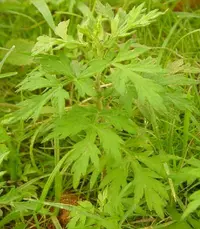
Silvery wormwood (Artemisia argyi) is a perennial herb in the daisy family, valued for its soft, silvery-green foliage and aromatic leaves. It forms low, bushy clumps that give a fine, textured look in borders or herb gardens.

This species is native to East Asia, where it grows in open fields, grassy slopes, and disturbed ground. Its tolerance of poor, well-drained soils and moderate drought makes it relatively undemanding once established.

Gardeners who care for Silvery Wormwood appreciate its resilience to heat, wind, and pruning. It prefers full sun, light to moderate moisture, and soils that do not stay waterlogged.

Main Plant Requirements

Care Difficulty

Easy Care

Light Preference

Full Sun

Water Requirements

Low Water

Temperature Preference

Cold Hardy

Hardiness Zone

4–8

Soil Texture

Sandy, Loamy, Rocky

Soil pH

Slightly acidic (6.5–7.0), Slightly alkaline (7.0–7.5)

Soil Drainage

Well-drained

Fertilization

Minimal (feed rarely)

Get Personalized Care Plan

Scan your plant to receive care tips personalized for your specific plant

Available on iOS and Android

How to Care for the Silvery Wormwood

Artemisia argyi grows best in bright, open sites with plenty of direct sun.

  • Provide 6–8 hours of direct sun daily; morning sun with light afternoon shade suits hot summer climates.
  • The plant tolerates light partial shade, but stems become weaker and foliage less dense if it receives under 4–5 hours of sun.
  • In very strong afternoon sun, especially in dry, exposed sites, foliage of Silvery Wormwood may scorch, so consider slight shade or neighboring plants for protection.

Artemisia argyi prefers dry to moderately dry soil and is sensitive to excess moisture.

  • Allow the top 5–8 cm of soil to dry before watering; in most outdoor beds this means waiting until the soil feels dry and loose, not cool and sticky.
  • During hot, dry periods, watch for dull, limp leaves and light soil color as cues to water, but use a gentle soak so water drains quickly away from the roots.
  • Reduce watering in cool seasons; yellowing lower leaves, a sour soil smell, or soft stems indicate overwatering in poorly drained or compacted soil.

This species is a hardy perennial that tolerates a wide temperature range once established.

  • Active growth is strongest around 65–80°F (18–27°C), especially in late spring and early summer.
  • Mature plants usually tolerate down to about 0°F (-18°C) with good drainage, though new plantings benefit from mulch in their first winter.
  • In sustained heat above 95°F (35°C), growth may slow; provide soil moisture without waterlogging and consider light afternoon shade to reduce stress.

This species prefers relatively dry air and rarely needs extra humidity management.

  • Target 30–50% humidity, similar to most heated indoor homes or outdoor summer air in temperate regions.
  • Dry air is tolerated well; leaves stay compact and aromatic even in centrally heated rooms.
  • If humidity is extremely high and stagnant, watch for yellowing lower leaves and mildew, and improve airflow with an open window, fan, or by spacing plants farther apart.

This plant prefers lean, well-drained mineral soil that never stays waterlogged.

  • Use a gritty mix such as 50–60% sandy or loamy garden soil blended with coarse sand or fine gravel for structure.
  • Aim for slightly alkaline to neutral pH around 7.0–7.8, avoiding acidic peat-based mixes for Artemisia argyi.
  • Add minimal organic matter, such as a thin portion of compost, to avoid overly rich conditions that cause floppy, weak growth.
  • Improve drainage and aeration by mixing in coarse perlite or small gravel and avoid any site where water stands after rain.

This species is suitable for container growing when drainage and soil lean-ness are controlled carefully.

  • Choose a wide, relatively shallow pot to accommodate spreading roots while preventing excess wet compost depth.
  • Select a heavy terracotta or ceramic container to reduce tipping as stems become woody and bushy.
  • Raise the pot on feet or bricks so drainage holes clear the surface and excess water escapes quickly after rain or watering.

Artemisia argyi grows well in lean soil and needs only modest feeding to stay healthy.

  • Use a light application of balanced slow-release fertilizer or thin compost layer in early spring as growth resumes.
  • Feed outdoor plants once per growing season; container plants can receive diluted balanced liquid fertilizer every 4–6 weeks.
  • Dilute liquid feeds to 1/2–1/4 strength to avoid soft, weak growth and loss of aroma in Silvery Wormwood.
  • Stop feeding in late summer so new growth can harden before winter dormancy.

Pruning Artemisia argyi helps maintain a compact, tidy shape and encourages fresh foliage.

  • Cut back dead, damaged, or leggy stems in early spring before strong new growth starts.
  • Shear or lightly trim after flowering to prevent flopping and keep the mound dense.
  • Remove crowded interior stems with clean hand pruners to improve air flow and reduce disease risk.
  • Disinfect blades between plants to limit spread of fungal or bacterial problems.

Artemisia argyi is usually grown in the ground, so transplanting is more common than container repotting.

  • Plan moves for early spring or early fall when temperatures are mild and soil is workable.
  • Transplant if clumps outgrow their space, show woody centers, or growth declines despite good care.
  • Lift with a sharp spade, keeping a wide root ball, and replant at the same depth in well-drained soil.
  • Water thoroughly after transplanting, then keep soil lightly moist for 1–2 weeks to limit root stress.

Artemisia argyi is commonly propagated to refresh older clumps and produce new plants.

  • Divide mature clumps in early spring or early fall, replanting healthy outer sections immediately.
  • Take 8–10 cm softwood or semi-ripe stem cuttings in late spring to summer and root in a gritty, well-drained mix.
  • Maintain bright indirect light, 65–75°F, and slightly moist medium to support steady rooting.
  • Sow fresh seed on the surface of a free-draining mix, barely cover, and keep evenly moist until germination.

Artemisia argyi is fairly cold hardy and usually needs minimal winter care in most temperate climates.

  • In zones with freezing winters, allow top growth to die back naturally, then cut to a low framework in late winter.
  • Apply a light 3–5 cm mulch around the root zone in cold regions, keeping it away from the stems.
  • For container plants in colder zones, move pots to a sheltered, unheated but frost-free or slightly protected spot.

Care Tips

Spring renewal cut

In early spring, shear back last year’s woody or leggy stems to 5–10 cm above the crown to encourage a dense flush of new, silvery foliage and prevent the plant from splitting open in the center later in the season.

Root zone containment

When planting in open ground, sink a root barrier or plant in a large nursery pot buried in the soil to keep the spreading rhizomes from invading nearby beds and lawn areas.

Targeted harvesting practice

For herbal or craft use, harvest only the top 1/3 of the non-woody shoots just before flowering, which maintains plant vigor while giving high-quality, aromatic foliage.

Lightweight support staking

In windy or exposed sites, insert a low, circular support ring or discreet bamboo stakes around the clump in late spring so tall stems lean on the frame instead of lodging or breaking after summer storms.

Dry-site weed control

Use a thin, mineral-based mulch such as fine gravel around the base to suppress weeds, keep lower leaves clean, and avoid the moisture retention problems that organic mulches can cause when growing Silvery Wormwood.

Common Pests and Diseases

Aphids

These insects cluster on young stems and leaf undersides, sucking sap and causing curling, distortion, and sticky honeydew that can attract sooty mold. This pest is more common on Artemisia grown in richer soils or with excess nitrogen fertilizer.

Solution

Rinse colonies off with a firm stream of water, then target remaining aphids with insecticidal soap or a light horticultural oil, making sure to coat leaf undersides. Reduce high nitrogen feeding and avoid overcrowding to limit soft, lush growth that attracts infestations when growing Silvery Wormwood outdoors or indoors.

Leaf spot

This disease causes small brown to dark olive spots on leaves that can enlarge and merge, leading to yellowing and early leaf drop in humid or poorly ventilated conditions. Symptoms include more rapid spread after overhead watering or prolonged leaf wetness.

Solution

Remove and discard affected leaves, then thin surrounding growth to improve airflow and reduce humidity around the foliage. Water at soil level in the morning, avoid overhead irrigation, and if the problem persists, apply a copper- or chlorothalonil-based fungicide labeled for ornamental foliage plants according to directions.

Powdery mildew

This disease produces a white to gray powdery coating on upper leaf surfaces, especially in warm days with cool, humid nights. Symptoms include reduced vigor, distorted new growth, and gradual decline in ornamental quality of the silvery foliage.

Solution

Increase sun exposure where possible, space plants to improve air movement, and avoid wetting foliage late in the day. Remove the most affected shoots and treat remaining foliage with a sulfur, potassium bicarbonate, or neem oil product labeled for powdery mildew, repeating as the label directs.

Spider mites

These insects are tiny sap-sucking arachnids that thrive in hot, dry conditions and cause fine stippling, bronzing, and eventual leaf drop, often accompanied by delicate webbing between leaves and stems. This pest can be more intense on potted Artemisia kept in very low humidity or near heat sources.

Solution

Spray foliage thoroughly with water to knock mites off, then follow with insecticidal soap or a light horticultural oil, ensuring coverage of both upper and lower leaf surfaces. Repeat treatments every 5–7 days until no new damage appears, and increase ambient humidity slightly or move containers away from hot, dry locations to prevent reinfestation.

Rust

This disease forms yellow spots on upper leaf surfaces and rusty orange pustules on the undersides, releasing powdery spores that spread easily in moist, crowded plantings. Symptoms include progressive leaf yellowing and drop, reducing plant vigor over time.

Solution

Promptly remove and destroy infected leaves, and avoid overhead watering to limit spore splash. Improve spacing and airflow, clean up fallen plant debris, and in severe or recurrent cases use a labeled systemic or protectant fungicide for rust, rotating active ingredients to reduce resistance risk.

Interesting Facts

East Asian moxa source

This species is a primary traditional source of moxa wool used in East Asian moxibustion, because its dried leaves produce a fine, easily formed fiber that burns with a steady, moderate heat and low smoke compared with many other Artemisia species.

Distinct aromatic profile

The leaves contain a complex mix of volatile compounds, including 1,8-cineole and borneol, which gives a strong resinous and camphor-like scent different from the sweeter odor of the closely related Artemisia vulgaris.

Clonal spread by rhizomes

Artemisia argyi forms dense patches in the wild by underground rhizomes, allowing a single genetic individual to occupy large areas and rapidly recolonize disturbed soils in its native range.

Botan icon

Did you know?

Dried leaf bundles of Artemisia argyi are a common component of traditional festival customs in parts of China, where they are hung on doors together with other aromatic plants during the Dragon Boat Festival as seasonal decorations with a long-documented cultural history.

FAQs about Silvery Wormwood

Lack of flowers usually comes from too much shade, excessive nitrogen fertilizer, or heavy pruning at the wrong time. Ensure enough light, avoid rich feeds, and prune lightly after flowering, not in early spring, to preserve buds.

Grow Healthy Plants with Botan Care

Keep your plants happy and healthy with plant identification, disease detection, and easy care guidance.

Botan plant care app — identify plants on mobile

Explore More Plants