Asiatic dogwood Care (Cornus officinalis)

Also known as: Korean cornel dogwood
Asiatic dogwood

About Asiatic dogwood

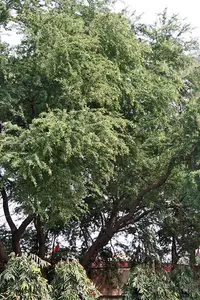
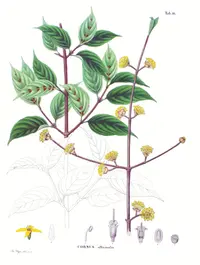
Asiatic dogwood, Cornus officinalis, is a deciduous shrub or small tree valued for its early yellow flowers and bright red, olive-like fruits. It typically has a rounded, branching habit and attractive peeling bark, so it suits both home gardens and small landscapes. Native to East Asia, it is traditionally grown in Korea, China, and Japan, and adapts well to temperate regions with cold winters. This species is generally considered sturdy and not fussy, which makes it straightforward to care for Asiatic dogwood in many garden settings. It prefers sun to light shade, evenly moist but well-drained soil, and benefits from protection from extreme drought or waterlogging.

Main Plant Requirements

Care Difficulty

Moderate Care

Light Preference

Full Sun

Water Requirements

Moderate Water

Temperature Preference

Cold Hardy

Hardiness Zone

4–8

Soil Texture

Loamy, Clay, Organic-rich

Soil pH

Acidic (5.5–6.5), Slightly acidic (6.5–7.0)

Soil Drainage

Moist but well-drained

Fertilization

Minimal (feed rarely)

Get Personalized Care Plan

Scan your plant to receive care tips personalized for your specific plant

Available on iOS and Android

How to Care for the Asiatic dogwood

This deciduous shrub performs best in bright outdoor light with some protection from intense afternoon sun.

  • Provide 4–6 hours of direct morning sun plus bright, filtered light later in the day for reliable flowering in Asiatic dogwood.
  • Allow light dappled shade in hotter regions; strong afternoon sun in summer can scorch leaves, especially in young or newly planted shrubs.
  • In deep shade, expect sparse blooms and leggy growth; in cooler climates, a more open, south-facing position is suitable, especially from late winter to early spring.

This shrub prefers evenly moist, well-drained soil rather than strict watering schedules.

  • Water when the top 3–5 cm of soil feels dry, applying a slow, deep soak to reach the root zone without flooding the planting area.
  • Reduce watering in fall and winter once Cornus officinalis is dormant, but prevent the soil from drying out completely during extended dry spells.
  • Watch for drooping, dull leaves and dry soil as signs to water, and for yellowing leaves or persistent sogginess as warnings of overwatering or poor drainage.

This hardy shrub tolerates a wide temperature range but grows best within moderate conditions.

  • Active growth is strongest around 60–75°F (16–24°C); spring flowering is reliable when winter chill includes extended periods below 45°F (7°C).
  • Mature plants are cold-hardy to about -10°F (-23°C) once established, but young shrubs benefit from mulch to buffer rapid freeze–thaw cycles.
  • In summer, it tolerates up to about 90°F (32°C) if soil moisture is maintained; prolonged extremes above this may stress the plant and scorch foliage.

Cornus officinalis handles a wide humidity range but performs best with moderately moist air.

  • Aim for 40–60% humidity, similar to typical outdoor conditions in temperate regions.
  • The plant tolerates short periods of drier air, but prolonged very dry conditions can cause leaf edge browning and tip dieback.
  • In hot, dry spells, caring for Asiatic dogwood outdoors benefits from mulching the root zone and grouping plants to slightly raise local humidity.

Cornus officinalis prefers deep, moist, well-aerated soil with steady drainage.

  • Use a loamy structure with a mix of garden topsoil, compost, and a smaller portion of coarse sand or fine bark to support root oxygenation.
  • Target slightly acidic to neutral pH around 6.0–7.0, avoiding strongly alkaline ground that can reduce nutrient uptake and cause chlorosis.
  • Improve drainage on heavier clay sites by incorporating 25–40% coarse sand or grit plus organic matter into the top 30–40 cm.
  • Avoid compacted, waterlogged, or extremely shallow soils, which increase root disease risk and limit long-term shrub development.

Cornus officinalis can be grown in containers for some years if the pot setup supports its woody root system.

  • Choose a tall, heavy container to provide root depth and prevent the shrub from becoming unstable in wind as it gains height.
  • Use a mix of loam-based compost with added coarse bark or grit so water drains freely yet the root zone stays evenly moist.
  • Raise the pot on feet or spacers so drainage holes do not sit flat on hard surfaces, preventing chronic soggy conditions at the base.

Cornus officinalis benefits from light, balanced feeding rather than heavy fertilization.

  • Apply a balanced slow-release fertilizer or compost in early spring at 1/2 the label rate around the drip line.
  • Repeat light feeding once more in mid-summer if growth or flowering is weak when caring for Asiatic dogwood.
  • Avoid high-nitrogen products that push soft, leggy growth at the expense of flowers and winter stems.
  • Do not feed in late fall or winter, as the tree is dormant and excess nutrients may stress roots.

Cornus officinalis responds well to occasional structural pruning to maintain health and shape.

  • Time main pruning for late winter or very early spring, before buds break.
  • Remove dead, diseased, or crossing branches first, using clean, sharp bypass pruners or a pruning saw.
  • Thin congested interior shoots to improve airflow and light, which supports flowering and reduces disease risk.
  • Shorten or remove awkward or overly long branches to maintain a balanced, natural outline without heavy cutting.

Cornus officinalis is usually grown in the ground, so focus on careful transplanting rather than frequent repotting.

  • Transplant young trees in late fall or early spring when soil is workable and the plant is dormant.
  • Look for signs such as slow growth, roots circling the nursery pot, or the rootball lifting from the container.
  • Move up only 1 pot size or into a prepared ground hole, loosening circling roots without tearing large sections.
  • Water deeply after planting, mulch 5–8 cm, and keep soil evenly moist for the first season to reduce transplant shock.

Cornus officinalis is most often propagated by semi-ripe cuttings or stratified seed in managed conditions.

  • Take semi-ripe cuttings in mid to late summer, 8–10 cm long, from non-flowering shoots.
  • Insert cuttings into a free-draining mix under high humidity and bright, indirect light until roots form.
  • Collect ripe seeds in fall, clean them, then cold stratify for several months before spring sowing.
  • Layer low, flexible branches in spring by wounding slightly, pegging into soil, and severing once rooted.

Cornus officinalis is generally cold hardy in typical temperate climates and needs only minimal winter attention.

  • Apply a 5–8 cm mulch layer over the root zone in late fall, keeping mulch slightly away from the trunk.
  • In very cold or exposed sites, wrap young trunks with breathable tree guards to limit bark damage from freezing.
  • Move container-grown specimens into a sheltered, unheated but frost-moderated spot and water sparingly during dormancy.

Care Tips

Formative branch training

In the first 3–5 years, select 3–5 evenly spaced main branches and remove steep, crossing, or crowded shoots to build a strong open framework that resists snow and wind damage later.

Root zone mulching

Maintain a 5–8 cm layer of shredded bark or leaf mold over the root zone, keeping it 5–8 cm away from the trunk, to stabilize soil moisture and protect shallow feeder roots from heat and frost.

Winter bud protection

In colder regions, apply a loose ring of mulch or composted bark over the root area in late fall and avoid heavy pruning after midsummer so flower buds mature fully before freezes.

Targeted pest scouting

From spring through midsummer, inspect the undersides of leaves and young stems every 2–3 weeks for scale insects or aphids and treat early with horticultural oil or insecticidal soap before populations build up.

Understory companion planting

Plant low, non-competitive groundcovers such as hardy ferns or shade-tolerant perennials under the canopy to keep the root zone cool, reduce weed pressure, and create a more stable microclimate when growing Asiatic dogwood.

Common Pests and Diseases

Dogwood anthracnose

This disease causes tan to brown leaf spots with purple margins, leaf blight, and dieback of young shoots, often starting in shaded, moist parts of the canopy.

Solution

Prune out and destroy infected twigs and fallen leaves, then improve air circulation and light by thinning crowded branches; in landscapes with a history of severe dogwood anthracnose, apply a registered fungicide in spring as new growth emerges and keep foliage dry by avoiding overhead irrigation.

Septoria leaf spot

This disease produces many small, circular tan to gray spots on leaves, which can merge and cause premature defoliation, especially after wet weather.

Solution

Rake and remove fallen leaves, avoid overhead watering, and thin nearby vegetation to speed leaf drying; in repeated problem sites, use a preventive foliar fungicide in early spring and maintain good plant vigor through adequate watering and mulch rather than high-nitrogen fertilization.

Dogwood powdery mildew

Symptoms include white, powdery fungal growth on upper leaf surfaces, leaf distortion, and reduced vigor during warm, humid periods with poor air movement.

Solution

Increase sun exposure and airflow by selective pruning, avoid overcrowding with other shrubs, and water at soil level; for ornamental specimens needing high-quality foliage, use a labeled systemic or contact fungicide at the first sign of mildew and repeat as directed during high-risk weather.

Dogwood borer

This pest tunnels into the trunk and larger branches, causing roughened bark, frass at entry points, branch dieback, and general decline, especially in stressed trees.

Solution

Prevent infestation by avoiding trunk wounds, maintaining a 5–8 cm mulch ring that does not touch the bark, and reducing stress from drought; where borers are active, remove and destroy heavily infested branches, and time trunk sprays of an appropriate insecticide to coincide with adult moth flight according to local extension guidance for Cornus officinalis care.

Scale insects

These insects appear as small, fixed bumps on stems and leaves, feeding on sap and sometimes causing yellowing foliage, stunting, and sticky honeydew that may attract sooty mold.

Solution

For light infestations, gently scrub stems with a soft brush and soapy water or prune out heavily infested twigs; for larger trees, use a targeted horticultural oil spray during the dormant season or at crawler emergence, and encourage natural predators by avoiding broad-spectrum insecticides.

Interesting Facts

Early spring bloomer

This species flowers in late winter to very early spring, often from February to March, when many other woody plants are still dormant, providing one of the first nectar sources for early pollinators.

Olive-like drupes

Its fruits are glossy red drupes with a single stony seed and an elongated, olive-like shape, which distinguishes them from the more spherical fruits of several other dogwood species.

High cold tolerance

Native to China and Korea, this deciduous shrub or small tree tolerates cold down to roughly USDA zone 4, making growing Asiatic dogwood possible in many temperate regions with harsh winters.

Botan icon

Did you know?

In traditional East Asian gardens and temple landscapes, this species has been cultivated for centuries not only for its early yellow flowers but also for its distinctive gray, exfoliating bark, which develops with age into textured plates that add strong winter ornamental value.

FAQs about Asiatic dogwood

Lack of flowers usually comes from too much shade, heavy pruning of older wood, or nutrient imbalance. Late frosts can also damage buds. Check light exposure, avoid hard pruning in late winter, and use a balanced, low-nitrogen fertilizer.

Grow Healthy Plants with Botan Care

Keep your plants happy and healthy with plant identification, disease detection, and easy care guidance.

Botan plant care app — identify plants on mobile

Explore More Plants