Arching cane support
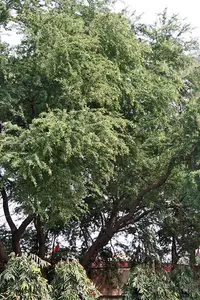
Install sturdy posts and discreet horizontal wires early on so the long arching canes are guided and supported, preventing wind rock and root loosening as the shrub matures.


Rosa moyesii is a vigorous wild rose species valued for its tall, arching habit and striking bottle-shaped rose hips. It typically forms a large, open shrub with simple pink to crimson single flowers. Native to western China, it is adapted to cool temperate climates and is often grown in mixed borders or as an informal hedge.
This species is relatively robust once established, provided it has sun, reasonable drainage, and moderately fertile soil. Thick stems with prickles and its eventual size mean it suits gardeners who can give it space and perform basic pruning, which is central to how to care for Rosa moyesii.

Care Difficulty
Moderate Care

Light Preference
Full Sun

Water Requirements
Moderate Water

Temperature Preference
Cold Hardy

Hardiness Zone
4–8

Soil Texture
Sandy, Loamy, Clay

Soil pH
Acidic (5.5–6.5), Slightly acidic (6.5–7.0)

Soil Drainage
Moist but well-drained

Fertilization
Minimal (feed rarely)
Scan your plant to receive care tips personalized for your specific plant
Available on iOS and Android
This species prefers open, bright conditions similar to a sunny woodland edge.
This shrub prefers steady soil moisture without remaining waterlogged.
This hardy rose tolerates a wide temperature range but performs best in moderate conditions.
This species tolerates a wide humidity range and usually needs no special humidity control outdoors.
Rosa moyesii prefers deep, moderately fertile, well-drained loam that does not stay waterlogged.
This species is only moderately suitable for large containers due to its eventual size and vigorous root system.
This shrub rose benefits from modest feeding but grows acceptably in average garden soil.
Thoughtful pruning keeps this tall rose healthy, flowering well, and structurally sound.
This species is usually grown in the ground, so focus on careful site planting and occasional transplanting rather than frequent repotting.
Rosa moyesii is commonly propagated by seeds or hardwood cuttings, though patience is needed.
This rose is generally hardy in temperate climates and needs only modest winter attention once established.

Plant Health Check
Not sure what's wrong with your plant? Check your plant's health inside the app.
This species produces elongated, bottle-shaped rose hips that can reach 4–5 cm in length, a form that is unusually long and narrow compared with most wild roses.
It is native to western China, where it grows naturally on mountain slopes, thickets, and forest margins at relatively high elevations, showing good adaptation to cool summer climates.
Plant breeders value this species for its strong disease resistance and distinctive fruit, and it has been used as a parent to create ornamental garden cultivars with prominent hips and improved hardiness.

In mature specimens, the arching stems can form a broad, fountain-like shrub up to about 3 m tall and wide, creating a large structural presence in landscapes that few other species roses can match.
Lack of flowers often comes from too much shade, heavy pruning at the wrong time, or nitrogen‑rich fertilizer. Prune right after flowering, provide at least partial sun, and use balanced or rose‑specific fertilizer to restore bloom.
Keep your plants happy and healthy with plant identification, disease detection, and easy care guidance.