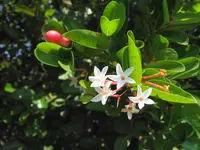
monkeypod Care (Pithecellobium dulce)

Also known as: Guamúchil, Blackbead, Sweet Inga
monkeypod

About monkeypod

Monkeypod, Pithecellobium dulce, is a fast-growing tropical tree known for its wide, spreading crown and fine, feathery foliage. It is often used as a shade or roadside tree in warm climates.

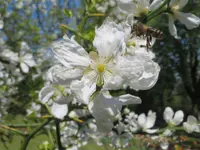
The tree produces small fragrant flowers followed by curved pods with sweet, edible pulp and glossy seeds. Its dense root system and vigorous growth can make it invasive in some regions.

Native to Mexico, Central America, and northern South America, monkeypod now grows widely in tropical and subtropical areas around the world. It handles heat, drought, and pruning well, which usually makes it easy to establish.

It prefers full sun, well-drained soil, and moderate water, and those conditions form the basis of how to care for monkeypod in gardens or larger outdoor spaces.

Main Plant Requirements

Care Difficulty

Moderate Care

Light Preference

Full Sun

Water Requirements

Moderate Water

Temperature Preference

Tropical / Frost Sensitive

Hardiness Zone

9–11

Soil Texture

Sandy, Loamy, Clay

Soil pH

Slightly acidic (6.5–7.0), Slightly alkaline (7.0–7.5)

Soil Drainage

Well-drained

Fertilization

Minimal (feed rarely)

Get Personalized Care Plan

Scan your plant to receive care tips personalized for your specific plant

Available on iOS and Android

How to Care for the monkeypod

Pithecellobium dulce thrives in bright, direct sun but adapts to some light variation in warm climates.

  • Provide 6–8 hours of direct sun daily; full sun promotes dense growth and flowering for monkeypod in open landscapes.
  • Allow light partial shade in very hot regions, especially from harsh afternoon sun, to reduce leaf scorch and excess water loss.
  • In cooler seasons, maximize sun exposure by avoiding shade from buildings or larger trees, as long, dull periods slow growth and canopy development.

This drought-tolerant tree prefers deep, infrequent watering once established, rather than constant moisture.

  • Water when the top 5–8 cm of soil feels dry; apply a slow, deep soak so moisture reaches the main root zone, then allow drying.
  • Ensure soil drains freely; avoid standing water or heavy clay that stays wet, which leads to root rot and yellowing leaves from overwatering.
  • During the first 1–2 years after planting Pithecellobium dulce, monitor closely in hot, dry weather; wilting or dull, folding leaflets signal the need for a thorough watering.

This species flourishes in warm, frost-free climates and slows markedly in cooler conditions.

  • Aim for 70–95°F (21–35°C) for active growth; prolonged temperatures below 60°F (16°C) reduce vigor and new shoot development.
  • Protect from frost; damage usually occurs near 30–32°F (-1–0°C), and young trees can die back if exposed to repeated cold snaps.
  • In very hot periods above 100°F (38°C), growth can stall, so support with mulch, sufficient soil moisture, and some afternoon shade in exposed sites.

This drought-tolerant tree handles a broad humidity range but grows best with moderate ambient moisture.

  • Target 40–60% humidity; typical indoor conditions suit monkeypod without special equipment.
  • It tolerates dry air fairly well but prolonged humidity below 30% can slow growth and increase leaf edge browning.
  • Watch for curling leaves, crispy tips, and premature leaf drop as signs of humidity stress, and group plants or use a nearby tray of water and stones to slightly raise humidity.

Pithecellobium dulce prefers well-structured, fast-draining soil that supports deep, vigorous root growth.

  • Use a sandy or loamy mix with plenty of coarse material to keep pores open and prevent waterlogging.
  • Aim for slightly acidic to neutral pH, roughly 6.0–7.5, avoiding highly compacted or saline soils.
  • Combine native soil with 20–30% coarse sand and 10–20% compost to balance drainage, fertility, and water retention.
  • Improve aeration on heavier sites by incorporating fine bark or perlite and avoiding planting in low spots where water collects.

This species can be grown in containers when young or maintained as a pruned specimen outdoors.

  • Choose a deep, heavy container to counter the tree’s developing taproot and to reduce wind tipping.
  • Select thick-walled ceramic or concrete pots in hot climates to buffer root temperature and slow rapid drying.
  • Elevate the pot on feet or blocks so large drainage holes stay clear and excess water escapes quickly after heavy rain or irrigation.

Pithecellobium dulce benefits from light, balanced feeding in active growth but often manages in modest soils.

  • Apply a balanced NPK fertilizer at half strength every 4–6 weeks during spring–summer for young or container-grown trees.
  • Use slow-release granules or well-rotted compost around the drip line, keeping material off the trunk.
  • Skip feeding in winter or cool dormant periods to prevent soft, weak growth.
  • Water before and after applying fertilizer to avoid root burn and help nutrients move into the soil.

Pithecellobium dulce responds well to thoughtful pruning that manages size and encourages a sound framework.

  • Carry out main structural pruning in late winter or very early spring before vigorous new growth begins.
  • Remove dead, diseased, rubbing, or crossing branches first, then thin crowded interior shoots for better light and airflow.
  • Shorten overly long or upright shoots to maintain a balanced canopy and safe clearance above paths or structures.
  • Use clean, sharp bypass pruners or a pruning saw, making smooth cuts just outside the branch collar.

This species is usually grown in the ground, so management focuses more on careful transplanting than frequent repotting.

  • Transplant young Pithecellobium dulce trees in late winter or early spring while growth is slow and temperatures are mild.
  • Look for circling roots, poor vigor, or a rootball filling the container as signs that a nursery specimen needs a larger site or pot.
  • When planting out, dig a hole 2–3× wider than the rootball, set the tree at the same depth, and backfill with native soil.
  • Water deeply after transplanting, then keep soil evenly moist and shade the canopy lightly for 1–2 weeks to reduce stress.

Pithecellobium dulce is most often propagated from seed, with cuttings used less frequently.

  • Collect ripe pods, remove seeds, and lightly scarify the hard coat with sandpaper or a brief hot-water soak to improve germination.
  • Sow seeds in spring in a well-drained, sandy mix, keeping the medium warm at 70–80°F and slightly moist, not wet.
  • For semi-hardwood cuttings, take 10–15 cm pieces in late spring–summer, use rooting hormone, and place in high-humidity, bright shade.
  • Maintain gentle bottom warmth and good air movement to reduce rot and encourage steady root formation.

In warm climates Pithecellobium dulce needs little winter care, but young or container plants in cooler areas benefit from protection.

  • This tree is frost sensitive; damage may occur when temperatures fall near or below freezing.
  • Apply a 5–8 cm mulch layer around the root zone in autumn, keeping it a few cm away from the trunk.
  • Wrap young trunks with breathable frost cloth or burlap during cold snaps to limit bark injury.
  • Move container-grown trees indoors or into a bright, frost-free garage or greenhouse before the first hard frost.

Care Tips

Root zone management

Leave a clear mulch-free ring of 10–15 cm around the trunk to reduce fungal issues and encourage a strong, well-aerated root flare as the tree matures.


Wind-form training

In windy sites, stake only during the first 1–2 years and gradually loosen ties, pruning competing leaders so a single, sturdy central leader develops that resists storm damage.

Thorn-aware pruning

Use thick gloves and long-handled pruners to remove low, thorny branches early, creating a higher canopy that is safer to work around and easier to access for harvest or inspection.

Pod and litter control

In urban or patio settings, lay a permeable groundcover fabric or gravel under the canopy to make fallen pods and leaf litter easier to collect and to reduce volunteer seedlings.

Salt and drought tolerance check

In coastal or semi-arid landscapes, slowly reduce supplemental irrigation over 2–3 warm seasons while monitoring for leaf scorch to find the lowest sustainable watering level for growing monkeypod in that specific site.

Common Pests and Diseases

Pod borer caterpillars

This pest tunnels into young pods and seeds, causing premature pod drop and poor seed quality. Symptoms include small entry holes, frass (insect droppings), and deformed or empty pods.

Solution

Collect and destroy infested pods, especially early in the season, to break the life cycle. For larger trees, use light traps to monitor moths and, if needed, apply a Bacillus thuringiensis (Bt) spray to young pods in the evening, following label directions and avoiding spray drift to non-target plants and pollinators.

Helopeltis pod bug

This pest feeds on developing pods and tender shoots, leaving brown feeding lesions and causing pod distortion and early drop. Symptoms include shriveled pods, sticky exudates on feeding sites, and dieback of young shoots.

Solution

Prune and remove heavily infested pod clusters and shoots, and keep the tree canopy open to reduce hiding spots. For severe infestations, use a targeted neem oil or insecticidal soap spray on young pods and shoots, repeating at 7–10 day intervals as needed and timing applications for cool parts of the day to reduce leaf burn.

Scale insects

These insects attach firmly to twigs and leaves, sucking sap and weakening the tree over time. Symptoms include small dome-shaped or flat bumps, sticky honeydew, sooty mold growth, and gradual yellowing or thinning foliage.

Solution

Prune out and discard heavily infested twigs, then wipe accessible branches with a cloth dipped in mild soapy water to remove scales and honeydew. If the population remains high, apply a horticultural oil spray to thoroughly coat stems and leaf undersides, treating in cool, dry weather and repeating according to product guidance to protect long-term Pithecellobium dulce plant care.

Leaf spot

This disease causes small brown, tan, or dark purple spots on the leaf surface that may enlarge and merge under humid conditions. Symptoms include premature yellowing and dropping of affected leaflets, especially in dense, shaded canopies.

Solution

Rake and discard fallen leaves and avoid overhead watering to keep foliage dry. Improve airflow by selective pruning; if spotting progresses, apply a copper-based fungicide or other labeled foliar fungicide during wet periods, ensuring full coverage of leaf surfaces.

Powdery mildew

This disease produces white, powdery fungal growth on young leaves, pods, and tender shoots. Symptoms include distorted new growth, reduced vigor, and in severe cases premature leaf drop and poor flowering or pod set.

Solution

Thin dense branches to improve light and air movement, and avoid excessive nitrogen fertilization that encourages very soft new growth. At first sign of infection, treat with sulfur or potassium bicarbonate-based fungicides or horticultural oils labeled for powdery mildew, repeating on new growth as directed and avoiding applications in very hot weather to prevent leaf injury.

Interesting Facts

Edible sweet pulp

The curved pods contain a sweet, cottony pulp around the seeds that is widely eaten fresh or used in drinks and snacks in parts of South and Southeast Asia and Latin America.

Dual-use thorny hedge

This species is commonly planted as a living fence because its thorny branches deter livestock while also providing shade and edible pods.

Nitrogen-fixing tree

Like many legumes, it forms nodules on its roots that house nitrogen-fixing bacteria, which help enrich poor soils and support use in agroforestry systems.

Botan icon

Did you know?

In some tropical dry regions, this tree can flower and fruit multiple times per year, providing an almost continuous food source for birds, bats, and people where other trees are seasonally bare.

FAQs about monkeypod

This species grows quickly in warm climates, often adding 60–120 cm in height per year once established. Growth rate slows in poor soil, limited root space, or cooler conditions, but overall it is considered fast-growing.

Grow Healthy Plants with Botan Care

Keep your plants happy and healthy with plant identification, disease detection, and easy care guidance.


Botan plant care app — identify plants on mobile

Explore More Plants