artocarpus Care (Artocarpus elasticus)

Also known as: Terap
artocarpus

About artocarpus

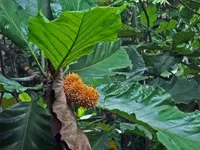
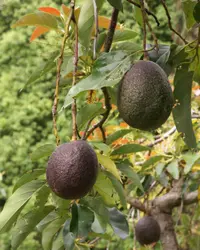
Artocarpus elasticus is a fast-growing tropical tree from the mulberry family, native to Southeast Asian rainforests. It can grow very tall, with a straight trunk and a broad, rounded crown. Leaves are large, glossy, and often lobed when young, giving the tree a bold, architectural look. The species produces rounded, fleshy fruits typical of the Artocarpus group, though it is grown more for timber and latex than for eating. Its size and climate needs make it suitable mainly for outdoor planting in warm, humid regions. For those who need to know how to care for artocarpus, it prefers bright light, consistently moist but draining soil, and protection from cold or dry winds.

Main Plant Requirements

Care Difficulty

Moderate Care

Light Preference

Partial Sun

Water Requirements

Regular Water

Temperature Preference

Tropical / Frost Sensitive

Hardiness Zone

11–13

Soil Texture

Loamy, Sandy, Organic-rich

Soil pH

Acidic (5.5–6.5), Slightly acidic (6.5–7.0)

Soil Drainage

Moist but well-drained

Fertilization

Minimal (feed rarely)

Get Personalized Care Plan

Scan your plant to receive care tips personalized for your specific plant

Available on iOS and Android

How to Care for the artocarpus

This tropical tree prefers bright, filtered light that mimics high-canopy forest conditions.

  • Provide 4–6 hours of bright, indirect light daily, such as dappled shade under taller trees or beside a lightly shaded structure.
  • Tolerates light to medium partial shade, but dense shade reduces growth, weakens branching, and may cause sparse foliage over time in artocarpus.
  • Avoid harsh, direct afternoon sun in hot summers, which can scorch young leaves; morning sun with afternoon shade works best, especially in exposed sites.

This species prefers consistently moist, well-drained soil without prolonged drying or waterlogging.

  • Water when the top 3–5 cm of soil feels dry, aiming to keep deeper layers slightly moist but not saturated.
  • Use deep, slow watering so moisture reaches the full root zone, and ensure soil drains freely to prevent root rot and sour, anaerobic smells.
  • In hot seasons, monitor more often for drooping or dull leaves as signs of thirst; in cooler months, extend intervals and watch for yellowing leaves or mushy roots as overwatering warnings for Artocarpus elasticus.

This lowland tropical tree requires consistently warm, frost-free conditions for reliable growth.

  • Ideal growing temperatures are 75–86°F (24–30°C), with only brief dips tolerated down to about 68°F (20°C) without stress.
  • Avoid exposure below 50°F (10°C); foliage and young shoots can be damaged near this level, and freezing temperatures kill tissue and fine roots.
  • In hot climates, the plant tolerates 90–95°F (32–35°C) if soil moisture is stable and the canopy has some shade; protect from hot, drying winds and abrupt temperature swings.

This species prefers consistently warm, humid air similar to lowland tropical forest conditions.

  • Target 60–80% humidity; it tolerates brief dips lower but prolonged air below 50% leads to stress.
  • Dry indoor air causes leaf-edge browning, curling, and slower growth in artocarpus.
  • Increase humidity with a nearby humidifier, grouping large plants, and placing wide trays of water and stones beneath containers without submerging the pot base.

This tree needs deep, moisture-retentive yet fast-draining soil to support rapid root and canopy growth.

  • Use a loamy, organic-rich mix such as 50–60% composted bark or leaf mold blended with coarse sand and perlite for structure and aeration.
  • Ensure water drains freely within a few seconds; avoid heavy clay that stays wet or compacts hard after drying.
  • Aim for slightly acidic to neutral pH, around 6.0–7.0, which supports nutrient availability for Artocarpus elasticus.
  • Improve drainage and oxygen around roots by incorporating chunky bark or coarse perlite and avoiding very fine peat-only mixes.

This species can be grown in large containers for some years, although it naturally prefers open ground.

  • Choose a tall, heavy container that resists tipping, as the plant becomes top-heavy with height and canopy spread.
  • Select a pot material with moderate moisture retention, such as thick-walled plastic or fiberglass, to buffer the roots from rapid drying.
  • Allow ample root volume by using the deepest container practical, as restricted vertical space quickly limits trunk thickening and overall vigor.

This tropical tree benefits from moderate feeding when grown in cultivation, especially in containers or poor soils.

  • Use a balanced NPK fertilizer or well-aged compost for Artocarpus elasticus during active growth.
  • Feed every 4–6 weeks in spring and summer, using slow-release granules or diluted liquid fertilizer at 1/2 strength.
  • Water before and after feeding to prevent root burn and help nutrients move into the root zone.
  • Reduce or stop fertilization in fall and winter when growth slows, particularly in cooler conditions.

Pruning helps manage the size, structure, and safety of Artocarpus elasticus in cultivation.

  • Carry out main pruning in late winter or early spring before vigorous new growth starts.
  • Remove dead, diseased, rubbing, or crossing branches first to improve air movement and light penetration.
  • Thin crowded interior shoots to maintain a strong, open framework and stable central leader where desired.
  • Use sharp, clean loppers or a pruning saw, making smooth cuts just outside the branch collar.

This fast-growing tree usually requires transplanting from nursery containers into the ground while still young.

  • Transplant when roots circle the pot, growth slows, or the plant dries out very quickly after watering.
  • Plan major moves for late spring or early summer, once soil is warm and frost risk has passed.
  • Shift into a hole or container 1–2 sizes larger, using well-drained, rich soil and firming gently around roots.
  • Water thoroughly after planting, shade for a few days, and keep soil evenly moist to reduce transplant shock.

Artocarpus elasticus is most often propagated by seed, with vegetative methods used in more controlled setups.

  • Sow fresh seeds in late spring to early summer in a warm environment of 75–85°F with high humidity.
  • Use a loose, well-drained seed mix, covering seeds lightly and keeping the medium evenly moist, not waterlogged.
  • Provide bright, indirect light and consistent warmth; germination may be uneven and take several weeks.
  • Semi-hardwood cuttings can root in a sterile mix under bottom heat and high humidity, but success is variable.

This species is frost-sensitive and needs warm conditions year-round in most temperate regions.

  • Avoid exposure below about 50°F; freezing temperatures can kill foliage and young wood.
  • Mulch the root zone with 5–8 cm of organic material in mild-winter climates to buffer soil temperature.
  • Grow container plants in large pots and shift indoors or to a heated greenhouse before overnight lows drop.
  • Indoors, provide bright light, reduced watering, and good air movement to limit stress during the cool season.

Care Tips

Early structural training

Install a sturdy stake or frame when the plant is young and loosely tie the main stem with soft ties, guiding it upright so the trunk lignifies straight and can later support the tree’s considerable canopy weight.

Wind and load management

In windy sites or exposed gardens, use temporary guy lines and anchor points during the first 2–3 years to stabilize the tree and reduce root rock, which helps fine roots establish securely in the soil.

Mulch for root buffers

Apply a 5–8 cm layer of coarse organic mulch from the drip line inward, keeping it 5–10 cm away from the trunk, to buffer root temperature, reduce surface compaction, and promote a wide, fibrous root system.

Targeted root pruning

In ground or large containers, lightly root-prune the outer root zone during dormant or slow-growth periods to encourage denser feeder roots, which can improve nutrient uptake and overall resilience when growing artocarpus.

Preventive canopy inspection

Inspect the inner canopy at the end of the dry season for scale insects, mealybugs, and sooty mold, and remove affected twigs or leaves promptly before populations build up and spread through the dense foliage.

Common Pests and Diseases

Stem borer beetles

This pest tunnels into young trunks and branches, causing wilting, dieback, and structurally weak stems in Artocarpus elasticus grown in warm outdoor conditions.

Solution

Prune and destroy infested branches as soon as frass (sawdust-like waste) and entry holes are seen, then seal large pruning cuts to reduce further attack. Encourage natural predators, avoid trunk injuries that attract borers, and in orchard or landscape settings use targeted trunk or soil drenches with a systemic insecticide labeled for tree borers, following local regulations.

Bagworms

These insects create silken bags covered with plant debris and can heavily defoliate young Artocarpus elasticus trees if populations build up.

Solution

Hand-pick and destroy bags during the early stages, especially on small or landscape trees, to prevent larvae from spreading. For higher infestations, use a biological insecticide containing Bacillus thuringiensis (Bt) on actively feeding larvae and keep the tree well watered and mulched to support leaf regrowth.

Scale insects

These insects attach tightly to stems and leaf undersides, sucking sap and causing yellowing, leaf drop, and sticky honeydew that can lead to sooty mold on foliage.

Solution

Wipe or gently scrub reachable stems and leaves with a soft cloth dipped in mild soapy water, then rinse with clean water. For larger trees, apply horticultural oil during mild weather to smother scales and repeat as needed, monitoring regularly for reinfestation as part of general Artocarpus elasticus plant care.

Anthracnose

This disease causes dark, sunken lesions on young leaves, petioles, and sometimes fruit, which may lead to leaf distortion and early leaf drop in humid conditions.

Solution

Remove and destroy affected leaves and fallen plant debris to reduce fungal spores, and avoid overhead watering that keeps foliage wet for long periods. Improve air circulation around the tree and, in severe or recurrent cases, use a copper-based or other labeled fungicide at the start of new flushes of growth, following label directions carefully.

Leaf spot complex

Symptoms include scattered brown or gray spots with yellow halos on older leaves, which can coalesce and cause partial defoliation in moist, shaded sites.

Solution

Rake and discard fallen leaves, thin nearby vegetation to increase sunlight and airflow, and water at soil level instead of over the canopy. If spots continue to spread, apply a broad-spectrum fungicide labeled for foliar leaf spots on tropical trees and keep the plant on a balanced fertilization schedule to support new, healthy foliage.

Interesting Facts

Remarkably large leaves

This species develops very large, oblong leaves that can exceed 60 cm in length on mature trees, giving young plants a distinctly tropical, dramatic foliage display compared with many other Artocarpus species.

Latex-rich wood and bark

The wood and bark contain abundant white latex, a milky sap produced in specialized canals that has been traditionally used as an adhesive and for various practical purposes in parts of its native Southeast Asian range.

Forest gap pioneer

In its native lowland rainforests, this tree often behaves as a pioneer species, establishing in canopy gaps where high light and humid conditions allow its fast juvenile growth and early canopy formation.

Botan icon

Did you know?

In some regions of Southeast Asia, fibers from the bark of this species have historically been processed and beaten to make a form of bark cloth, a traditional non-woven textile created without spinning or weaving.

FAQs about artocarpus

This species is generally fast-growing in warm, humid climates, often adding 60–120 cm of height per year once established. Growth slows in cool or nutrient-poor conditions, shallow soil, restricted roots, or where it experiences regular drought stress.

Grow Healthy Plants with Botan Care

Keep your plants happy and healthy with plant identification, disease detection, and easy care guidance.

Botan plant care app — identify plants on mobile

Explore More Plants