Amazon Lily Care (Urceolina amazonica)

Amazon Lily

About Amazon Lily

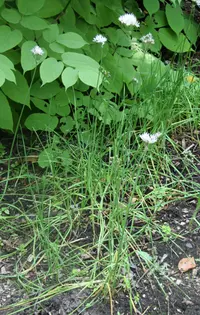
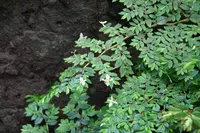
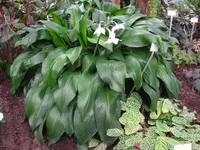
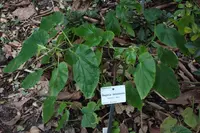
Amazon lily (Urceolina amazonica) is a bulb-forming, evergreen plant grown mainly for its large, fragrant white flowers and glossy, broad leaves. It usually forms a compact clump, with arching foliage that creates a lush, tropical look suitable for bright indoor spaces.

This species comes from the warm, humid forests of South America, where it grows under partial shade. It is considered moderately easy if its need for stable warmth, filtered light, and consistently moist but not waterlogged soil is respected. Understanding how to care for Amazon Lily mainly involves providing gentle light, even moisture, and protection from drafts or temperature swings.

Main Plant Requirements

Care Difficulty

Moderate Care

Light Preference

Bright Indirect Light

Water Requirements

Keep Soil Moist

Temperature Preference

Tropical / Frost Sensitive

Hardiness Zone

10–11

Soil Texture

Loamy, Peaty, Organic-rich

Soil pH

Acidic (5.5–6.5), Slightly acidic (6.5–7.0)

Soil Drainage

Moist but well-drained

Fertilization

Light (every 4–6 weeks)

Get Personalized Care Plan

Scan your plant to receive care tips personalized for your specific plant

Available on iOS and Android

How to Care for the Amazon Lily

This species prefers bright, gentle light similar to high-canopy woodland conditions.

  • Provide 4–6 hours of bright, indirect light daily; early morning sun is acceptable, but shield from strong midday and afternoon rays using sheer curtains or dappled shade outdoors.
  • Tolerates partial shade, especially in warm climates, but flowering of Amazon Lily may decline if grown in deep shade with less than 3–4 hours of bright ambient light.
  • Watch leaves for feedback: pale, floppy growth suggests too little light, while yellowing, scorched, or crispy patches indicate excessive direct sun exposure.

This bulb-forming plant needs consistent moisture during active growth but cannot sit in saturated soil.

  • Water when the top 3–5 cm of soil feel dry, soaking the root zone thoroughly, then let excess drain away to protect the bulbs from rot.
  • Use a sharply draining mix and containers or beds with free-flowing drainage; standing water or heavy, compacted soil greatly increase the risk of fungal rot in Urceolina amazonica.
  • In active spring–summer growth, soil should stay slightly moist, while in rest periods allow the top layer to dry more deeply; drooping, thin leaves suggest underwatering, and mushy bulbs or sour smell indicate overwatering.

This plant grows best in stable, mild to warm conditions with no frost exposure.

  • Aim for 65–80°F (18–27°C) during active growth to support healthy foliage and flower production.
  • Protect from temperatures below 50°F (10°C); brief dips to 45°F (7°C) may be tolerated but repeated cold or light frost can damage leaves and bulbs.
  • In hot spells above 85°F (29°C), provide shade from harsh sun and maintain soil moisture; avoid placing the plant near heat sources or cold drafts that cause rapid temperature swings.

This species prefers moderately humid air and reacts if conditions are too dry for long periods.

  • Aim for 50–70% humidity; it tolerates short dips lower but prolonged very dry air weakens foliage.
  • Crisping tips, folded leaves, and stalled flowering indicate humidity stress rather than watering issues.
  • Increase humidity with a pebble tray under the pot, grouping plants, or a room humidifier instead of misting heavily.

Urceolina amazonica grows best in loose, airy, organic-rich soil that drains quickly yet retains some moisture.

  • Use a mix of roughly 50% peat- or coco-based potting mix, 25% compost, and 25% perlite or fine bark for structure and aeration.
  • Target a slightly acidic to neutral pH around 6.0–7.0, avoiding strongly alkaline mixes that can reduce nutrient availability.
  • Ensure excess water escapes easily; avoid heavy clayey textures or pots without drainage, which promote bulb and root rot.
  • Improve drainage in marginal mixes by increasing perlite or bark and avoiding dense additions like unamended garden soil.

This bulb is suitable for container growing and responds well to stable, controlled moisture in pots.

  • Choose a pot just 2–4 in wider than the bulb cluster so the plant feels slightly crowded, which encourages flowering.
  • Select a container material that matches your climate; porous terracotta is better for humid regions, while glazed pots slow moisture loss in dry homes.
  • Use a relatively deep, weighty pot to balance tall leaves and flower stalks so the container does not tip when the plant is in bloom.

Thoughtful feeding supports strong growth and flowering in Urceolina amazonica grown in containers.

  • Use a balanced liquid fertilizer (around 10-10-10 or 20-20-20) at 1/2 strength for Amazon Lily during active growth.
  • Feed every 4–6 weeks in spring and summer, after new leaves or flower spikes appear.
  • Switch to a slow-release bulb or indoor plant fertilizer if you prefer less frequent applications.
  • Stop feeding in fall and winter when growth slows or bulbs enter dormancy.

Light pruning keeps Urceolina amazonica tidy and directs energy to healthy bulbs and flowers.

  • In late winter or after flowering, cut off spent flower stalks at the base with clean, sharp scissors or pruners.
  • Remove yellow, dead, or damaged leaves at the soil line to reduce disease risk.
  • Thin out crowded, weak foliage so remaining leaves receive more light and air circulation.
  • Avoid cutting healthy green leaves, as they feed the bulbs for next season’s blooms.

Container-grown plants benefit from infrequent but careful repotting to keep bulbs healthy and blooming.

  • Repot every 3–4 years in late winter or early spring, when roots circle the pot or growth and flowering decline.
  • Choose a pot only 2–3 cm wider, as Urceolina amazonica flowers better when slightly crowded.
  • Use a free-draining mix for bulbs or indoor plants and replant bulbs with necks just at or above soil level.
  • Water lightly after repotting, keep in bright indirect light, and avoid heavy feeding until new growth resumes.

Division is the most reliable way to increase Urceolina amazonica plants for home growers.

  • Divide clumps in late winter or early spring while bulbs are dormant or just sprouting.
  • Gently lift the root ball, separate offsets with at least a few roots, and avoid damaging the basal plate.
  • Plant divisions into small pots with well-drained bulb mix, keeping bulbs slightly crowded.
  • Maintain bright indirect light, 65–75°F, and slightly moist soil until new leaves establish.

This species is frost-sensitive and needs protection in regions with cold winters.

  • In USDA zones below 9, grow in containers and move indoors before temperatures drop below 50°F.
  • Provide bright indirect light indoors and keep soil just lightly moist during the cooler months.
  • In mild climates, mulch the root zone with 5–8 cm of loose organic material to buffer temperature swings.
  • Avoid exposure to frost or freezing drafts, which can damage leaves and bulbs.

Care Tips

Post-bloom resting

After flowering, gradually reduce watering for 4–6 weeks and stop fertilizing so the bulbs can rest and recharge, which improves flower production the next season.

Pot crowding strategy

Use a slightly snug pot and allow multiple bulbs to grow together, since mild crowding promotes stronger flowering compared with bulbs spaced too far apart.

Rotate for even scapes

Turn the pot 90° every 1–2 weeks during active growth so flower stalks and leaves develop upright and evenly instead of leaning toward the light source.

Bulb height placement

Plant bulbs so the neck is just at or slightly above the soil surface to reduce rot risk while still allowing strong root anchoring and stable flower stalks.

Dormancy monitoring

If leaves yellow and die back naturally, move the pot to a cool, bright, dry spot and keep the mix only barely moist until new growth tips appear, then resume normal caring for Amazon Lily.

Common Pests and Diseases

Narcissus bulb fly

This pest targets large bulbs, where larvae tunnel inside and destroy the storage tissue, leading to weak or collapsed leaves and failure to flower. Symptoms include sudden yellowing, stunted growth, and bulbs that feel soft or hollow when squeezed.

Solution

Discard any infested, mushy bulbs and remove surrounding soil or potting mix that may contain larvae. For prevention, inspect bulbs carefully before planting, avoid wounding them, and consider using fine mesh or fabric over pots and beds during adult fly activity in spring to reduce egg laying.

Bulb mite

These pests are tiny, slow-moving mites that feed inside or around the bulb base, causing scales to brown, soften, and rot, and leading to poor sprouting or distorted foliage. Symptoms include weak shoots, poor root development, and crumbly, damaged bulb tissue when inspected.

Solution

Remove and destroy heavily infested bulbs and any loose, rotten scales, then replant only firm, healthy bulbs in fresh, well-draining mix. Keep storage areas cool, dry, and clean, and avoid long-term storage in warm, humid conditions that favor mites and decay when caring for Amazon Lily.

Red blotch (Stagonospora)

This disease produces elongated red or rust-colored lesions on leaves, flower stalks, and sometimes bulb scales, which can deform growth and reduce flowering. Symptoms include streaks or blotches that may later develop pale centers and cause tissue splitting or bending.

Solution

Cut off and discard affected leaves or scapes, sterilizing tools between cuts, and avoid overhead watering that keeps foliage wet. Improve air circulation, keep plants in moderate, stable temperatures, and use a labeled fungicide for bulbous ornamentals if the disease recurs over several growth cycles.

Leaf scorch / sun stress

Symptoms include bleached, yellow, or brown patches starting on leaf tips or edges, often on the side facing strong sun or near a hot window. This stress is common when plants grown in shade or low light are suddenly exposed to direct sun or high heat.

Solution

Move the plant to bright, indirect light and avoid direct midday sun, especially behind glass. Trim off only the most damaged leaf tips if desired, maintain even moisture without waterlogging, and adjust light gradually when changing the plant’s position to support stable Urceolina amazonica plant care.

Gray mold (Botrytis)

This disease thrives in cool, humid, poorly ventilated conditions and causes soft, water-soaked spots on leaves, buds, and flowers that develop a fuzzy gray mold. Symptoms include premature bud drop and blighted flowers that quickly collapse.

Solution

Remove and discard all affected tissues promptly and increase air movement around the plant by spacing it away from other plants and avoiding crowding. Water at the soil level in the morning, keep foliage dry, and if needed apply a suitable ornamental fungicide while also lowering humidity around the plant during cool periods.

Interesting Facts

Amazon river origins

This species is native to seasonally moist forests of western Amazonia, especially along shady riverbanks and forest edges in Peru and nearby regions, where it experiences warm temperatures and a distinct wet–dry seasonal cycle.

Fragrant pendant flowers

The large white flowers hang downwards on arching stalks and have a strong, sweet fragrance that becomes more noticeable in the evening, an adaptation that likely helps attract night-active pollinators in its native habitat.

Bulb with rest period

Urceolina amazonica grows from a true bulb that naturally enters a rest period after flowering, temporarily slowing or stopping leaf growth before resuming active growth when conditions improve.

Botan icon

Did you know?

Plants historically grown and traded under the name Eucharis amazonica or Eucharis grandiflora in horticulture have been reinterpreted by botanists, and the widely cultivated Amazon lily is now correctly placed in the genus Urceolina based on modern morphological and molecular studies.

FAQs about Amazon Lily

Lack of flowering usually comes from insufficient light, no cool rest period, or overcrowded bulbs. Provide bright, indirect light, a slightly cooler, drier rest after flowering, and divide congested clumps every few years to restore blooms.

Grow Healthy Plants with Botan Care

Keep your plants happy and healthy with plant identification, disease detection, and easy care guidance.

Botan plant care app — identify plants on mobile

Explore More Plants