


Flowering cycle reset
After flowering, cut back spent blooms and move the plant to a slightly cooler, very bright spot for 4–6 weeks to help reset its energy and encourage the next flush of buds.

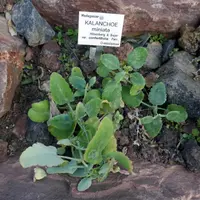
Kalanchoe miniata is a compact succulent shrub from Madagascar, grown mainly as an ornamental houseplant. It forms upright, branching stems with thick, fleshy leaves that store water. Clusters of tubular orange to red flowers appear above the foliage, giving the plant a bright, architectural look. In good conditions it can bloom more than once a year.
This species suits indoor containers and warm, dry climates outdoors. Its drought tolerance and slow growth make it relatively low-maintenance if overwatering is avoided. Understanding how to care for Kalanchoe miniata focuses mainly on giving it strong light, a porous, fast-draining soil mix, and moderate watering with good drying between waterings.

Care Difficulty
Easy Care

Light Preference
Partial Sun

Water Requirements
Low Water

Temperature Preference
Tropical / Frost Sensitive

Hardiness Zone
10–12

Soil Texture
Sandy, Loamy, Organic-rich

Soil pH
Acidic (5.5–6.5), Slightly acidic (6.5–7.0)

Soil Drainage
Well-drained

Fertilization
Light (every 4–6 weeks)
Scan your plant to receive care tips personalized for your specific plant
Available on iOS and Android
This succulent prefers bright, indirect light with some direct sun for compact growth.
This species stores water in its leaves and needs infrequent, controlled watering.
This plant prefers warm, stable conditions without frost or extreme heat.
This species handles typical indoor humidity well and rarely needs special adjustments.
This succulent prefers a fast-draining, airy mineral-rich mix that prevents waterlogging around the roots.
This species is well suited to container growing when the pot controls moisture and supports its top growth.
This succulent benefits from light, controlled feeding during its active growing season.
Thoughtful pruning keeps Kalanchoe miniata compact, branching well, and flowering more densely.
Repotting is only needed occasionally, as this succulent prefers slightly snug containers.
This species is commonly propagated from stem cuttings, which root reliably under warm, bright conditions.
This tender succulent is not frost hardy and needs protection in regions with cold winters.

Plant Health Check
Not sure what's wrong with your plant? Check your plant's health inside the app.
This species is native to rocky, coastal areas of Mozambique, where it grows in crevices and on exposed slopes subject to seasonal drought and strong light.
It produces upright clusters of narrow, tubular orange flowers that are adapted for pollination by sunbirds in its native range, which prefer vivid, nectar-rich blossoms.
Its thick, fleshy leaves store water and reduce surface area relative to volume, a typical succulent adaptation that helps the plant survive extended dry periods in its natural habitat.
Lack of flowers often comes from insufficient light, too much nitrogen fertilizer, or no rest period. Provide bright conditions, avoid heavy feeding, and give shorter days and slightly cooler nights to trigger bud formation.
Keep your plants happy and healthy with plant identification, disease detection, and easy care guidance.

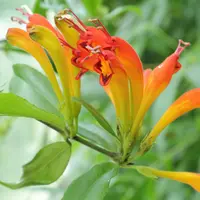
basket plant
Aeschynanthus speciosus

Acanthocereus fosterianus
Acanthocereus fosterianus
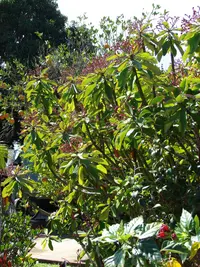
Euphorbia bicompacta
Euphorbia bicompacta
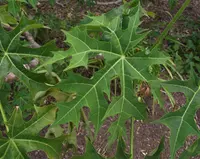
treadsoftly
Cnidoscolus aconitifolius
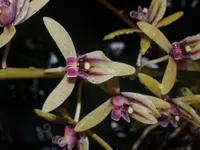
Aloe-leafed cymbidium
Cymbidium aloifolium
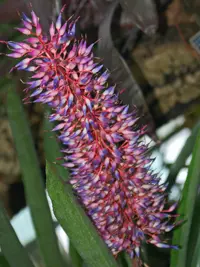
Aechmea fendleri
Aechmea fendleri
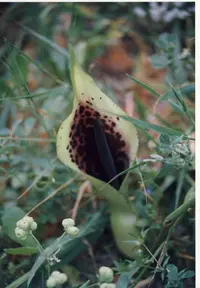
Dioscorides Arum
Arum dioscoridis
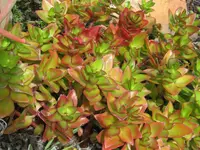
Crassula sarmentosa
Crassula sarmentosa