regal pelargonium Care (Pelargonium × domesticum)

regal pelargonium

About regal pelargonium

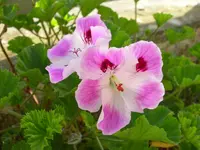
Regal pelargonium (Pelargonium × domesticum) is a compact, shrubby perennial often grown as a flowering houseplant or seasonal patio plant. It is valued for its large, showy blooms in rich colors and patterned petals. Plants usually have woody lower stems, upright growth, and slightly serrated leaves with a light, resinous scent. They were developed from several South African Pelargonium species and do not occur naturally in the wild. Flowering is generous but depends on good light and moderate temperatures, which makes care for regal pelargonium slightly more demanding than common zonal geraniums. It usually prefers bright light, good air flow, and well-drained soil that dries a bit between waterings.

Main Plant Requirements

Care Difficulty

Moderate Care

Light Preference

Partial Sun

Water Requirements

Moderate Water

Temperature Preference

Tropical / Frost Sensitive

Hardiness Zone

10–11

Soil Texture

Sandy, Loamy, Organic-rich

Soil pH

Slightly acidic (6.5–7.0), Neutral (7.0)

Soil Drainage

Well-drained

Fertilization

Moderate (every 2–4 weeks)

Get Personalized Care Plan

Scan your plant to receive care tips personalized for your specific plant

Available on iOS and Android

How to Care for the regal pelargonium

This plant needs bright, direct sun for best flowering while avoiding harsh extremes.

  • Provide 4–6 hours of direct sun daily, ideally morning sun with light afternoon shade, especially in hot summers for regal pelargonium.
  • Outdoors, place in an east or south-facing spot; indoors, use the brightest window and avoid deep shade beyond 1–2 m from the glass.
  • Insufficient light causes leggy stems and poor blooms, while intense all-day midday sun can scorch leaves; add sheer shade in midsummer if edges brown.

This plant prefers moderate, consistent moisture with fast drainage.

  • Water when the top 2–4 cm of soil feels dry, letting excess drain fully to protect Pelargonium × domesticum roots from rot.
  • In spring and summer, expect more frequent watering during active growth; reduce in fall and winter when growth slows and soil dries more slowly.
  • Overwatering shows as yellowing, soft leaves and a musty smell; underwatering causes limp, drooping foliage that recovers quickly after a thorough soak.

This plant thrives in mild, stable temperatures without frost or extreme heat.

  • Aim for 60–75°F (16–24°C) for active growth and flowering, with slightly cooler nights helping to set buds.
  • Protect from cold; growth slows below 50°F (10°C) and plants are usually damaged or killed by frost below 32°F (0°C).
  • In hot spells above 85°F (29°C), provide light shade and good air movement to prevent heat stress, leaf scorch, and bud drop.

This species prefers relatively dry air and handles typical indoor humidity well.

  • Aim for 30–50% humidity; avoid sustained levels above 60% to reduce fungal problems on leaves and flowers.
  • Dry indoor air is usually tolerated, but very warm air plus low humidity can cause leaf edges to brown and buds to drop.
  • Increase humidity slightly only if leaf tips crisp by grouping plants nearby or placing a water tray close, without wetting foliage.

Pelargonium × domesticum grows best in a light, airy, sharply drained mix that still holds moderate moisture.

  • Use a loose, loamy mix made from roughly 2 parts peat- or coir-based potting mix, 1 part perlite, and 1 part fine bark or coarse sand.
  • Ensure rapid drainage by avoiding heavy clay, unamended garden soil, or mixes that stay wet for more than 2–3 days after watering.
  • Target a slightly acidic to neutral pH around 6.0–7.0, which supports nutrient availability and reduces micronutrient imbalances.
  • Improve aeration by adding extra perlite or pumice if pots are large or conditions are cool, which lowers the risk of root rot.

This species is very suitable for container growing.

  • Select a pot that is only 2–4 cm wider than the root ball so the mix dries evenly instead of staying wet around unused edges.
  • Choose a heavier or wider-based container to prevent tipping when stems become tall and flower clusters are concentrated on one side.
  • Terracotta pots help excess moisture evaporate faster, which benefits roots when outdoor weather is cool and damp.

Nutrient support helps Pelargonium × domesticum produce dense foliage and abundant blooms in containers.

  • Use a balanced water-soluble fertilizer (around 10-10-10 or 15-15-15) diluted to 1/2 strength for most feedings.
  • Apply every 2 weeks during active growth and flowering in spring and summer, on already-moist soil.
  • Optionally combine a light layer of compost or a low-dose slow-release fertilizer at the start of the season.
  • Cut feeding back to once every 4–6 weeks in fall and stop in midwinter, unless plants are under strong indoor light.

Thoughtful cutting keeps Pelargonium × domesticum compact, branching well, and flowering strongly.

  • Carry out main pruning in late winter or very early spring before vigorous new growth starts.
  • Remove dead, diseased, or damaged stems first, then thin crowded or leggy shoots back to healthy nodes.
  • Pinch soft shoot tips after each flush of flowers to encourage bushy, branched growth and more flower stems.
  • Use sharp, clean scissors or pruners and make angled cuts just above a leaf joint to limit tissue damage.

Container-grown regal pelargonium benefits from occasional repotting to maintain root health and growth.

  • Check for roots circling the pot, emerging from drainage holes, or for unexplained slow growth as signs it needs repotting.
  • Plan repotting for late winter or early spring, about every 1–2 years, just before strong new growth begins.
  • Choose a pot only 2–5 cm wider with fresh, free-draining mix, and gently loosen circling roots without tearing them.
  • Water thoroughly after repotting, keep out of intense sun for 3–5 days, and avoid fertilizing for about 1–2 weeks to limit stress.

New plants of Pelargonium × domesticum are most often raised from stem cuttings rather than seed.

  • Take 7–10 cm non-flowering stem cuttings in late summer or late winter, using clean, sharp scissors or a knife.
  • Remove lower leaves, allow cut surfaces to dry for a few hours, then insert into a free-draining, low-nutrient medium.
  • Optional rooting hormone improves success, especially in cooler conditions or with thicker stems.
  • Maintain bright, indirect light, gentle warmth around 68–72°F, and lightly moist (not wet) medium until roots form.

This plant is frost-tender and needs structured winter care in most temperate climates.

  • Move containers indoors before temperatures fall below 40°F, choosing a bright, cool room with good air flow.
  • Reduce watering in winter, keeping the root ball slightly dry to limit soft, weak growth and root problems.
  • Check for cold damage, remove any mushy tissue, and keep foliage away from freezing window glass or drafts.
  • In mild, frost-free areas, position plants in a sheltered porch or greenhouse and avoid waterlogged soil.

Care Tips

Cool-night regime

If possible, place plants in a cooler room at 50–55°F for 4–6 weeks in late winter to encourage compact growth and abundant flower bud formation.

Bud protection routine

When flower buds are visible, keep the plant away from drafts and avoid sudden shifts between sunny windowsills and cooler rooms, which often cause bud drop in this group.

Spent-flower removal

Remove entire spent flower heads, including the short stalk, as soon as petals fade to reduce botrytis risk and redirect energy into new buds.

Seasonal pot refresh

After the main flowering flush, gently lift the plant from its pot, trim back 10–20% of the outer root mass, and repot into fresh mix of the same pot size to maintain vigor without promoting excessive leafy growth.

Preventive pest checks

Inspect leaf undersides and young shoots weekly for aphids, whiteflies, and spider mites, and if found, isolate the plant and treat early with insecticidal soap before they distort new growth and flowers when caring for regal pelargonium.

Common Pests and Diseases

Geranium rust

This disease causes small yellow spots on the upper leaf surface and rusty brown pustules on the underside, leading to premature leaf drop. Symptoms include rapid spread in humid, crowded conditions, especially in older foliage.

Solution

Remove and discard all heavily affected leaves and avoid overhead watering to keep foliage dry. Improve airflow around plants, space pots well, and use a labeled fungicide for rust on geraniums if the problem persists, following product directions carefully.

Botrytis blight

This disease produces soft brown lesions on leaves, flowers, and stems, often covered with a fuzzy gray mold, especially in cool, damp conditions. Symptoms include flower buds that turn brown and fail to open.

Solution

Cut off and discard all infected flowers and tissue, then reduce humidity and increase air circulation around plants. Water at the base in the morning, keep spent blooms removed, and apply a botrytis-targeted fungicide if environmental changes do not stop spread.

Whitefly

This pest feeds on the underside of leaves, causing yellowing, leaf drop, and sticky honeydew that can lead to sooty mold. These insects fly up in small white clouds when the plant is disturbed, which is common in greenhouse-grown regal pelargoniums.

Solution

Shower the plant gently to dislodge adults and nymphs, then use yellow sticky traps to monitor and reduce flying adults. Treat the undersides of leaves with insecticidal soap or horticultural oil every 5–7 days until no new whiteflies are seen.

Aphids

This pest forms dense clusters on tender shoots, buds, and the backs of leaves, sucking sap and causing curling or distorted growth. These insects excrete honeydew, which can attract ants and encourage black sooty mold on regal pelargonium foliage.

Solution

Pinch off or rinse heavily infested shoot tips, then spray affected areas with insecticidal soap, ensuring good coverage of buds and undersides of leaves. Repeat treatments at short intervals until colonies are controlled and encourage natural predators outdoors by avoiding broad-spectrum insecticides.

Pelargonium bacterial blight

This disease causes wedge-shaped yellow to brown patches on leaves, black streaks on stems, and sudden wilting or collapse of shoots, especially after warm, wet periods. Symptoms include rapid spread through cuttings, splashing water, or contaminated tools, which is important in Pelargonium × domesticum plant care.

Solution

Isolate and destroy any plants with advanced symptoms, disinfect cutting tools between plants, and avoid taking cuttings from suspect stock. Keep foliage dry, avoid overhead watering, and use only certified clean propagation material to prevent introduction and spread.

Interesting Facts

Hybrid with complex ancestry

This regal pelargonium group is not a wild species but a complex hybrid mainly derived from South African species such as Pelargonium cucullatum and Pelargonium grandiflorum, selected over centuries for large, showy flowers. Its botanical name uses the multiplication sign (×) specifically to indicate this hybrid origin.

Cool-season flowering habit

Regal pelargoniums initiate flower buds best under cool conditions and relatively short days, which is why they are often sold in full bloom in spring but may stop flowering in hot midsummer conditions. This cool-season preference sets them apart from zonal geraniums, which tolerate higher summer heat while flowering.

Distinctive serrated foliage

The leaves of this group are typically broad, somewhat leathery, and toothed along the margins, creating a ruffled appearance that differs from the smoother, rounder leaves of zonal pelargoniums. Many cultivars also release a mild resinous scent from the foliage when brushed, due to aromatic compounds in the leaf glands.

Botan icon

Did you know?

Regal pelargoniums were heavily refined by European breeders in the 19th and early 20th centuries for exhibition, and some traditional show standards still judge them primarily on the symmetry of the plant and the density of their large flower trusses rather than on individual flower size alone.

FAQs about regal pelargonium

Poor flowering usually comes from insufficient light, old woody stems, or spent blooms left on the plant. Regular deadheading, light pruning after flowering, and providing a cool, bright rest period help reset the flowering cycle.

Grow Healthy Plants with Botan Care

Keep your plants happy and healthy with plant identification, disease detection, and easy care guidance.

Botan plant care app — identify plants on mobile

Explore More Plants