Winter rain control
In areas with wet winters, grow this plant in a raised bed, rock crevice, or sloped container mix so excess rain drains away quickly and the tuber does not rot during dormancy.

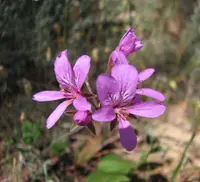
Magenta stork's-bill (Pelargonium rodneyanum) is a compact, clumping perennial grown mainly for its bright magenta, saucer-shaped flowers and finely divided, fern-like leaves. It stays low to the ground and spreads gently, forming tidy mounds that suit borders, rock gardens, and containers.
This species is native to southeastern Australia, where it grows in well-drained, often rocky soils. Its tolerance of short dry spells and cooler conditions makes it relatively forgiving for home gardeners.
Pelargonium rodneyanum prefers bright light, moderate watering, and free-draining soil, which keeps roots healthy and reduces rot risk. With these basics in place, it is straightforward to care for magenta stork's-bill for both outdoor beds and pots.

Care Difficulty
Moderate Care

Light Preference
Full Sun

Water Requirements
Low Water

Temperature Preference
Warm Climate

Hardiness Zone
9–11

Soil Texture
Sandy, Loamy, Rocky

Soil pH
Acidic (5.5–6.5), Slightly acidic (6.5–7.0)

Soil Drainage
Well-drained

Fertilization
Minimal (feed rarely)
Scan your plant to receive care tips personalized for your specific plant
Available on iOS and Android
Pelargonium rodneyanum prefers bright, direct light but benefits from some protection in extreme heat.
Pelargonium rodneyanum prefers slightly dry conditions and reacts poorly to persistent moisture around the roots.
This species prefers moderate warmth and tolerates light heat but is sensitive to frost and prolonged cold.
This species prefers relatively dry air and does not need elevated humidity.
This plant prefers a light, fast-draining, slightly gritty substrate that mimics rocky native habitats.
This species is well suited to container growing outdoors on patios, balconies, or in rock-style pots.
Pelargonium rodneyanum benefits from modest, targeted feeding to support flowering without forcing soft, weak growth.
Pelargonium rodneyanum responds well to light, thoughtful pruning that maintains a compact, floriferous plant.
This species tolerates slightly tight root conditions, so repot or transplant Pelargonium rodneyanum only when clear stress signs appear.
Pelargonium rodneyanum is most often propagated from stem cuttings, with seeds used mainly for breeding or larger batches.
Pelargonium rodneyanum dislikes hard frost, so some winter attention is important in colder climates.

Plant Health Check
Not sure what's wrong with your plant? Check your plant's health inside the app.
This species is naturally found in shallow soil pockets on granite outcrops in southeastern Australia, often growing in sites that experience drying winds and strong sun exposure.
It forms a small underground tuber that helps it survive periods of drought and summer heat by storing water and reserves while the above-ground parts can partially die back.
In its native range it typically produces magenta-pink flowers from late winter to spring, aligning its main growth and flowering period with cooler, moister conditions rather than peak summer heat.

Pelargonium rodneyanum has been used as a parent in breeding compact rock-garden and container pelargoniums, valued by horticulturists for its low, clumping habit and showy magenta flowers that contrast strongly with its grey-green foliage.
This species forms a low, clumping mound and spreads slowly by short stems, not running roots. It usually stays where planted, making it suitable for rock gardens and small spaces without becoming aggressive.
Keep your plants happy and healthy with plant identification, disease detection, and easy care guidance.