Perennial Identification
Identify Perennials by Photo
Take a photo of a leaf or flower, and Botan will tell you the plant's name. Upload the photo now and see what's growing there.


Identify Perennials by Photo
Take a photo of a leaf or flower, and Botan will tell you the plant's name. Upload the photo now and see what's growing there.

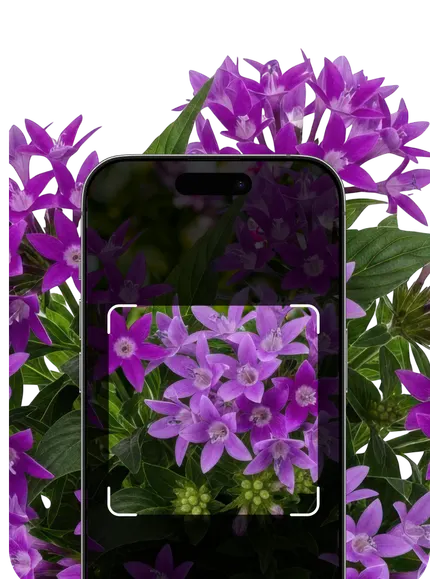

Plant Identifier Online for Free
Use easy-to-see images for the best plant ID results. Try not to take photos from very far away.
 POPULAR
Monstera
Monstera deliciosa
 POPULAR
Money Tree
Pachira aquatica
 POPULAR
Wandering Jew
Tradescantia zebrina
 POPULAR
Swiss Cheese Vine
Monstera adansonii
 POPULAR
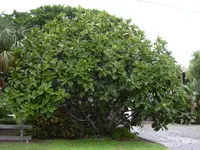
Fiddleleaf Fig
Ficus lyrata
 POPULAR
Polka Dot Begonia
Begonia maculata
 POPULAR
ZZ Plant
Zamioculcas zamiifolia
 POPULAR
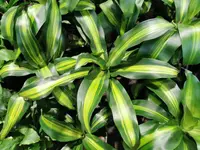
Corn Plant
Dracaena fragrans
 POPULAR
Wax Plant
Hoya carnosa
 POPULAR
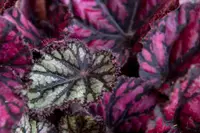
King Begonia
Begonia rex
 POPULAR
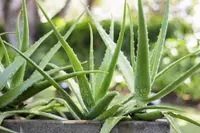
Aloe
Aloe vera
 POPULAR
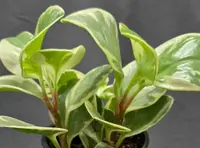
Baby Rubberplant
Peperomia obtusifolia
 POPULAR
Weeping Fig
Ficus benjamina
 POPULAR
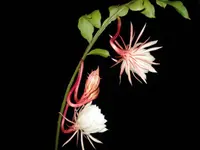
Queen of The Night
Epiphyllum oxypetalum
 POPULAR
Purple Heart
Tradescantia pallida
 POPULAR
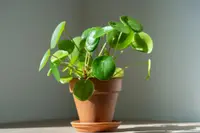
Chinese Money Plant
Pilea peperomioides
 POPULAR
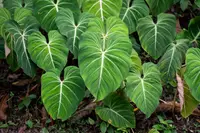
Philodendron gloriosum
Philodendron gloriosum
 POPULAR
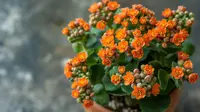
Flaming Katy
Kalanchoe blossfeldiana
 POPULAR
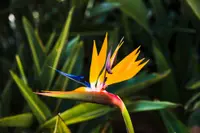
Giant White Bird of Paradise
Strelitzia nicolai
 POPULAR
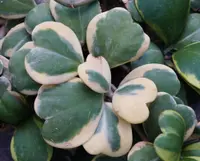
Hoya Hearts
Hoya kerrii
 POPULAR
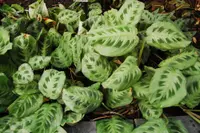
Prayerplant
Maranta leuconeura
 POPULAR
Lucky Bamboo
Dracaena sanderiana
 POPULAR
False Shamrock
Oxalis triangularis
 POPULAR
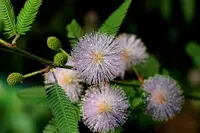
Sensitive Plant
Mimosa pudica
Perennials return each year; annuals don't. For confident perennial identification, start with the leaves. Add flowers when they appear in the correct season. Below you can find the major characteristics that help a scanner to define perennials.
Leaf shape helps to recognize perennials in your garden because each plant species tends to have distinctive leaf features — size, edge, vein pattern, and arrangement. When making perennial plant identification by leaf pictures, the following shapes can be:
Some perennials have mixed leaf shapes. Young and mature leaves can be very different. By focusing on the shape of a mature leaf, the list of possible variations quickly narrows down.
Texture narrows the list further when you identify perennials. Two species can have the same outline but feel completely different. Enlarge the photo or run your finger across the leaf itself. Perennials have several standard surface types:
Hairs, grooves, and coatings are best seen with side lighting. The shape and texture provide the recognition tool with almost everything it needs.
Flowers help a perennial identifier to correctly detect plants in controversial situations. A flower contains more information about a species than any leaf. The number of petals, color scheme, and shape of the entire inflorescence all help to find the right species ID. Perennial flowers have several basic forms:
Also, pay attention to the flowering time. Plants blooming in spring, midsummer, and fall rarely bloom simultaneously within the same genus. A photograph of a flower usually allows a perennial plant identifier to accurately recognize the species, not just the genus.
Perennials confuse people — their foliage changes seasonally, and flowering lasts for weeks. Many species look similar. Therefore, the quality of your photo determines the accuracy of the result. Below, you can see common challenges in perennial identification and tips on how to resolve them for the most confident ID.
Challenge | Why It Affects ID | Tip for Better Results |
Perennial not in bloom | Flowers give the most confident results | Photograph the leaves. Focus on the top, the underside, and the edges |
Early spring growth | Young foliage looks different from mature leaves | Make a photo of the whole plant, then one leaf up close |
Lookalike species | Coneflower and rudbeckia fool seasoned gardeners | Photograph the center of the flower and stem in the frame |
Low light | The detector reads color and vein detail from pixels | Photograph during daylight and don’t turn on the flash |
Busy background | Neighboring plants confuse the recognition model | Hold a regular bank card or your hand behind the leaf |
Remember! One clear photo in good lighting is better than multiple blurry shots.
Details decide the result in perennial identification. Vein patterns matter. The same goes for leaf margins and the arrangement of petals on the stem.
Botan's detector captures the entire picture and compares it with a database of thousands of species. You receive the name and care recommendations for the specific plant.
Peak bloom gives the most accurate results since flowers carry clear species markers.