Flower Identification
Take a Photo & Identify Your Flower Instantly
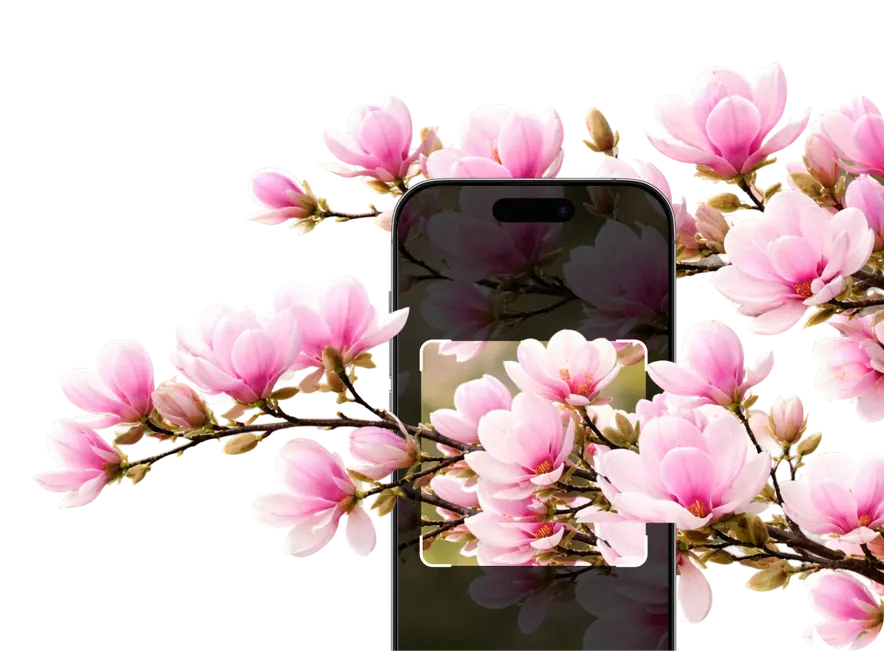
Botan is the flower identifier that can recognize plants with 98% accuracy in seconds, get care guides, and help you grow your flowers more smartly.


Take a Photo & Identify Your Flower Instantly
Botan is the flower identifier that can recognize plants with 98% accuracy in seconds, get care guides, and help you grow your flowers more smartly.

Plant Identifier Online for Free
Use easy-to-see images for the best plant ID results. Try not to take photos from very far away.
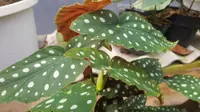 POPULAR
Polka Dot Begonia
Begonia maculata
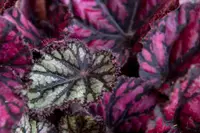 POPULAR
King Begonia
Begonia rex
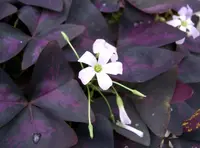 POPULAR
False Shamrock
Oxalis triangularis
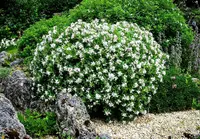 POPULAR
Cape jasmine
Gardenia jasminoides
 POPULAR
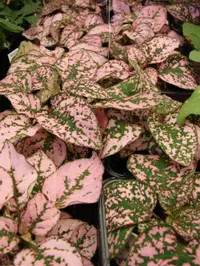
Polka Dot Plant
Hypoestes phyllostachya
 POPULAR
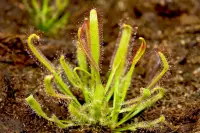
Cape sundew
Drosera capensis
 POPULAR
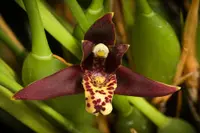
Coconut orchid
Maxillaria tenuifolia
 POPULAR
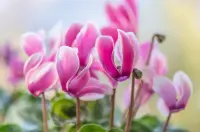
Cyclamen
Cyclamen persicum
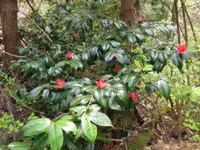 POPULAR
Japanese camellia
Camellia japonica
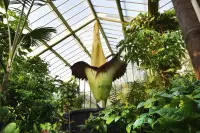 POPULAR
Corpse Flower
Amorphophallus titanum
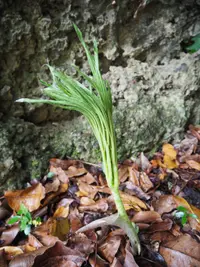 POPULAR
Amorphophallus henryi
Amorphophallus henryi
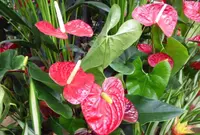 POPULAR
Flamingo Flower
Anthurium andraeanum
 POPULAR
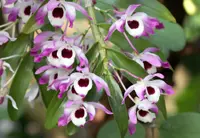
Noble Dendrobium
Dendrobium nobile
 POPULAR
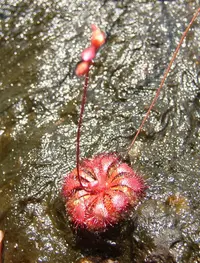
Spoon-Leaved Sundew
Drosera spatulata
 POPULAR
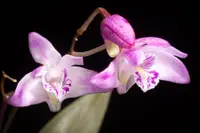
Pink Rock Orchid
Dendrobium kingianum
 POPULAR
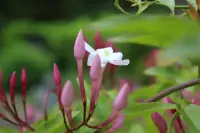
Pink Jasmine
Jasminum polyanthum
 POPULAR
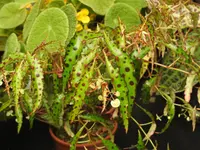
Begonia amphioxus
Begonia amphioxus
 POPULAR
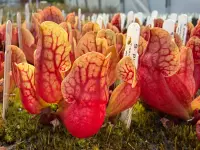
Purple pitcher plant
Sarracenia purpurea
 POPULAR
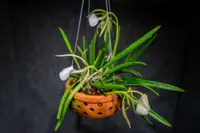
Lady of the Night Orchid
Brassavola nodosa
 POPULAR
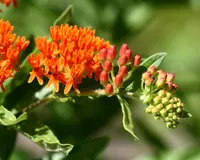
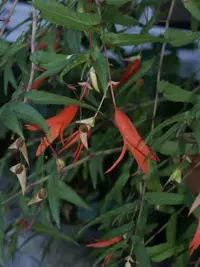
Butterfly weed
Asclepias tuberosa
 POPULAR
Bolivian begonia
Begonia boliviensis
 POPULAR
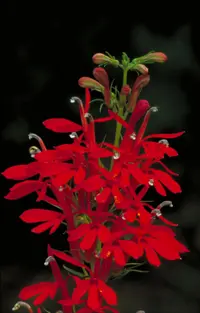
Cardinal flower
Lobelia cardinalis
 POPULAR
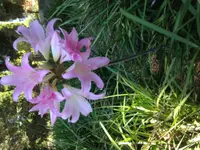
Naked Lady plants
Amaryllis belladonna
 POPULAR
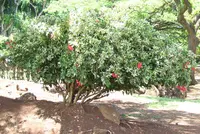
Chinese hibiscus
Hibiscus rosa-sinensis
With Botan, flower identification is now simple. It’s a two-tap process for you — the system handles the rest. Here’s how it works in practice:
If results are unclear, you can use the Retry feature or contact our botanist via chat for expert advice.
What flower is this? To find the answer, focus on specific parts and characteristics of the plant. The key ones are the number of petals, petal shape, stem, leaves, and color.
Here are some examples of how the plant’s signature features can help with recognition:
What You See | Possible Types | Common Example |
3 asymmetrical petals, one modified as a lip | Orchid family | |
Dense spikes of violet, two-lipped flowers | Mint/deadnettle family | |
Rounded flower clusters, serrated leaves | Hydrangea family | |
Square stem, two-lipped purple flowers | Mint/deadnettle family | |
Flowers with 15–30+ petals arranged in a layered spiral | Rose family | |
Round, shield-shaped leaves & brightly-colored petals | Nasturtium family |
If you want to know how to identify flowers, start with the basics — the number of visible petals. That’s the quickest way to narrow down a type:
If you see numerous thin “petals” that are hard or nearly impossible to count, these can be composite flowers like daisies, sunflowers, or asters. Many real petals are common in species like anemones.
Shape is the second most important feature for species ID. The common types include:
Though clustered flowers don’t exactly fall into shape categories, it’s worth considering them as well. These are groups of many small flowers forming a single cluster, common in hydrangeas, syringas, and many daisy-like plants.
Though the stem’s diagnostic value is often underestimated, it can still be useful for identification. Here are some of the most distinctive types to consider:
Stems can also be hairy or smooth, upright or creeping, but these additional features are more useful for description than for identification.
Leaves aren’t the primary thing used to identify flowers. However, they are the hint you might need to finally determine the exact species. Here are the features to pay attention to:
Again, limitations exist, and leaf classification is relative, as the same patterns can be seen in different families. Use this feature alongside the petal count, petal shapes, bloom type, and other plant parts.
Different colors often overlap in different categories. Still, it’s another good filter to narrow the search, especially when you know some pollination patterns.
For example, flowers with bright, saturated colors (e.g., Persian buttercup, Bigleaf lupine) are often adapted to attract active pollinators like insects and birds. White and more pale plants are often pollinated at night or by generalist insects (e.g., wild roses, Calla Lily). Purple is a very common color in bee-pollinated plants, such as French Lavender, sage, mint, asters, and daisies.
There are a few common mistakes people usually make during the identification stage. Consider the possible pitfalls, so you can easily avoid them:
So all you need to do is consider these pitfalls and follow the simple order:
Identify: overall shape → number and type of petals → the type of stem → the structure and texture of leaves.
With Botan, you can do more than just identify a flower by picture. We offer such standout features:
With Botan, you always know how to identify a flower from a photo instantly.
Yes, the Botan detector identifies wild and garden plants equally well. In both cases, you only need to take a clear photo of a single plant to identify it.
Make identification easy and stress-free with Botan. Take a photo, get the information, and manage your garden perfectly.
Available on iOS and Android