Red and Pink Flower Plant Identification
Identify Pink Flowers by Photo in Seconds
Easily identify what these colored species are with our smart detector. Use the Botan app for clear and accurate red flower plant identification.


Identify Pink Flowers by Photo in Seconds
Easily identify what these colored species are with our smart detector. Use the Botan app for clear and accurate red flower plant identification.

Plant Identifier Online for Free
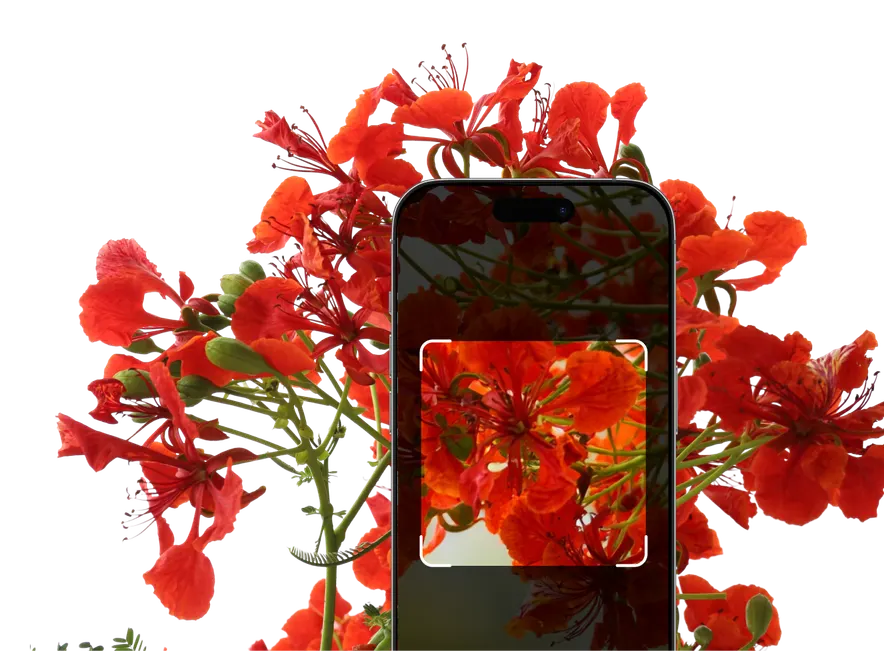
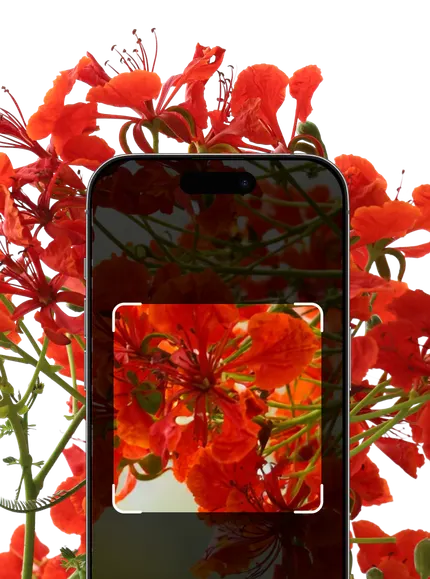
Use easy-to-see images for the best plant ID results. Try not to take photos from very far away.
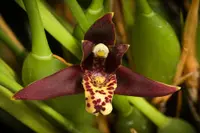 POPULAR
Coconut orchid
Maxillaria tenuifolia
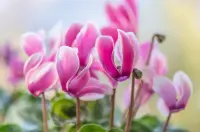 POPULAR
Cyclamen
Cyclamen persicum
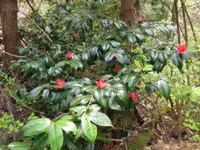 POPULAR
Japanese camellia
Camellia japonica
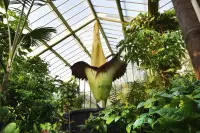 POPULAR
Corpse Flower
Amorphophallus titanum
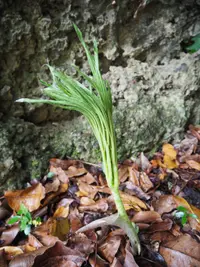 POPULAR
Amorphophallus henryi
Amorphophallus henryi
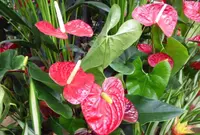 POPULAR
Flamingo Flower
Anthurium andraeanum
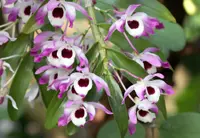 POPULAR
Noble Dendrobium
Dendrobium nobile
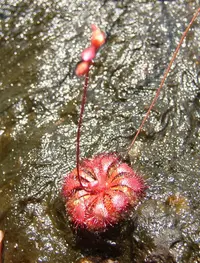 POPULAR
Spoon-Leaved Sundew
Drosera spatulata
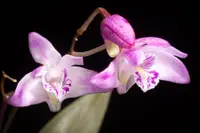 POPULAR
Pink Rock Orchid
Dendrobium kingianum
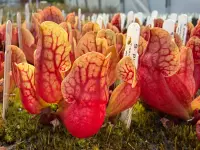 POPULAR
Purple pitcher plant
Sarracenia purpurea
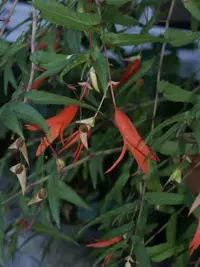 POPULAR
Bolivian begonia
Begonia boliviensis
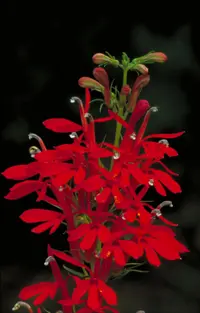 POPULAR
Cardinal flower
Lobelia cardinalis
 POPULAR
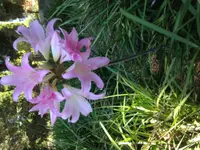
Naked Lady plants
Amaryllis belladonna
 POPULAR
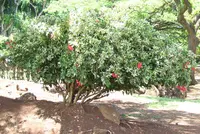
Chinese hibiscus
Hibiscus rosa-sinensis
 POPULAR
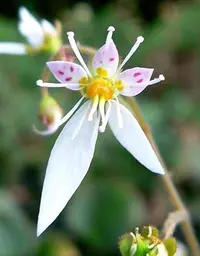
Strawberry saxifrage
Saxifraga stolonifera
 POPULAR
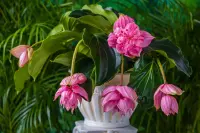
Rose grape
Medinilla magnifica
 POPULAR
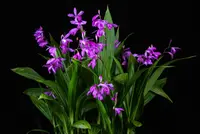
Chinese ground orchid
Bletilla striata
 POPULAR
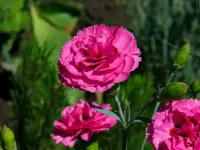
Carnation
Dianthus caryophyllus
 POPULAR
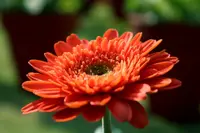
Gerbera daisy
Gerbera jamesonii
 POPULAR
Fire-star orchid
Epidendrum radicans
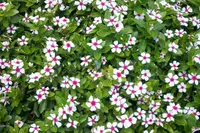
Madagascar Periwinkle
Catharanthus roseus
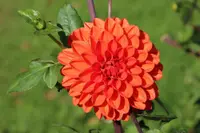
Garden Dahlia
Dahlia pinnata
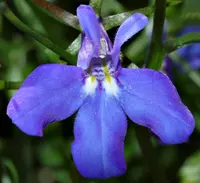
Trailing Lobelia
Lobelia erinus
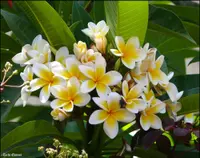
Mexican Plumeria
Plumeria rubra
Identifying what flowers are red or pink is simplified by Botan’s AI-powered scanner. Just snap a photo and upload it to the app. Below is a step-by-step process of how it works:
If identification fails, upload a clearer image and try again.
Identifying by color alone is not enough, as many species share similar traits. The Botan app increases red flower identification accuracy by checking petals, leaves, stems, color shade, and other characteristics.
These colors have more than 100 shades, which affect the plant identification results. These distinctions help narrow the possibilities to a key species ID.
Common shades include:
These variations are often overlooked, but they are crucial in identification. For instance, a coral-colored Begonia can easily be mistaken for a pink variety, yet its orange undertone helps distinguish it from pink-colored species.
The petal structure is one of the most important identifiers in any red and pink flower plant identification process. The shape, number, and other aspects define the species.
The most common traits include:
A keen observation of the petal arrangement helps distinguish blooms that appear identical. That’s especially important when identifying plants with similar colors but different structures.
The structure and type of stem are a critical tie-breaker for the proper identification of a plant. Many species are identical in color but differ in stem:
Stem characteristics always define how a plant grows. For example, two flowers with identical pink blooms may still be distinguished by the texture of their stems, or whether they branch or remain single.
The leaf shape, combined with other features like petal color, bloom structure, and flower size, helps confirm plant identity. Common shapes are:
When flowers are not clearly visible, the leaf pattern can help identify plant species.
Consider bloom time, as it is a helpful lead when identifying pink and red flowers, because many plants bloom only at certain times of the year. If you know when it happens, identification is easier.
Season | What You See | Common Red and Pink Flowers |
Spring | Soft and fresh blooms, cup-shaped and appearing early in the season | |
Summer | Fully open and bright flowers with bold colors | |
Autumn | Blooms appear late in the season with slightly deeper tones and in clusters | |
Year-round (warm climates) | Continuous blooms, often with large flowers |
Observing seasonal clues is a good starting point. When combined with shades of color, petals, and stems, they make pink flower identification clearer.
Identifying red and pink flowers can be challenging since many have similar colors but differ in subtle ways. Botan goes beyond basic recognition, as it focuses on details, analyzes data from the world’s databases, and is AI-supported.
Its main features include:
A clear and accurate approach makes Botan perfect for red flower plant identification. Botan offers accurate and scientifically backed information.
Yes, Botan is designed to recognize both garden and wild species. We analyze features like stems, leaves, petals, and color.