White Flower Plant Identification
Snap a Photo and Recognize Any White Flower
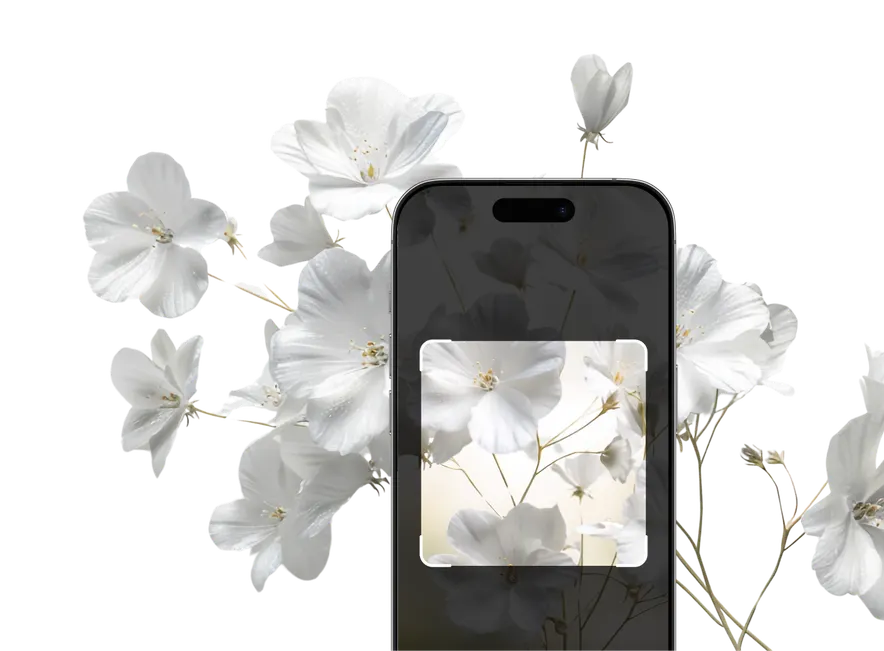
Enjoy white flower plant identification by simply scanning and identifying any plant on your way with 98% accuracy.


Snap a Photo and Recognize Any White Flower
Enjoy white flower plant identification by simply scanning and identifying any plant on your way with 98% accuracy.

Plant Identifier Online for Free
Use easy-to-see images for the best plant ID results. Try not to take photos from very far away.
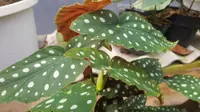 POPULAR
Polka Dot Begonia
Begonia maculata
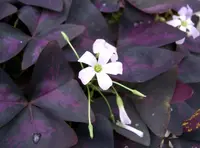 POPULAR
False Shamrock
Oxalis triangularis
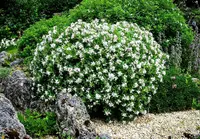 POPULAR
Cape jasmine
Gardenia jasminoides
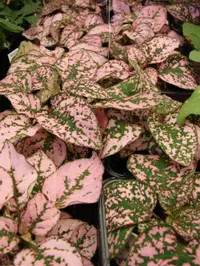 POPULAR
Polka Dot Plant
Hypoestes phyllostachya
 POPULAR
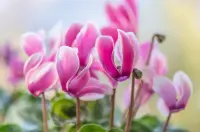
Cyclamen
Cyclamen persicum
 POPULAR
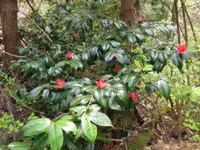
Japanese camellia
Camellia japonica
 POPULAR
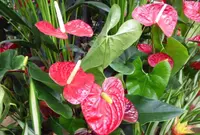
Flamingo Flower
Anthurium andraeanum
 POPULAR
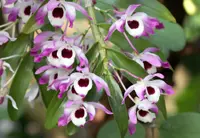
Noble Dendrobium
Dendrobium nobile
 POPULAR
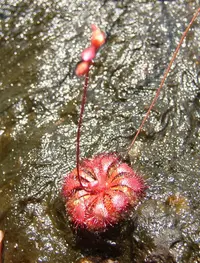
Spoon-Leaved Sundew
Drosera spatulata
 POPULAR
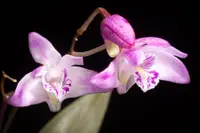
Pink Rock Orchid
Dendrobium kingianum
 POPULAR
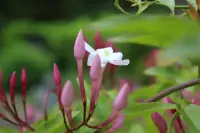
Pink Jasmine
Jasminum polyanthum
 POPULAR
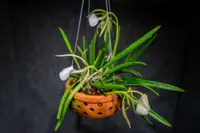
Lady of the Night Orchid
Brassavola nodosa
 POPULAR
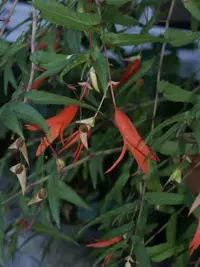
Bolivian begonia
Begonia boliviensis
 POPULAR
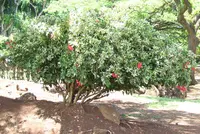
Chinese hibiscus
Hibiscus rosa-sinensis
 POPULAR
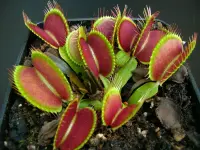
Venus flytrap
Dionaea muscipula
 POPULAR
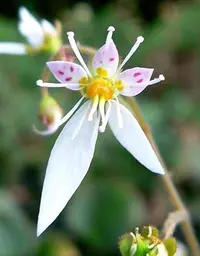
Strawberry saxifrage
Saxifraga stolonifera
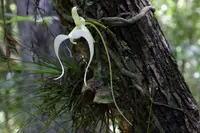 POPULAR
Ghost orchid
Dendrophylax lindenii
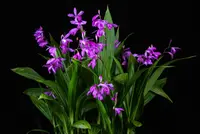 POPULAR
Chinese ground orchid
Bletilla striata
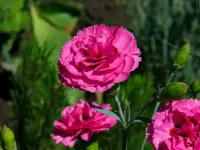 POPULAR
Carnation
Dianthus caryophyllus
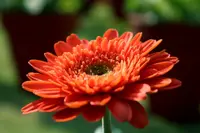 POPULAR
Gerbera daisy
Gerbera jamesonii
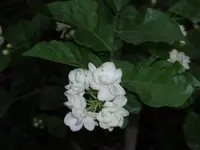
Arabian Jasmine
Jasminum sambac
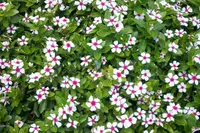
Madagascar Periwinkle
Catharanthus roseus
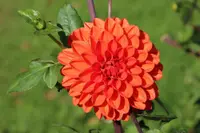
Garden Dahlia
Dahlia pinnata
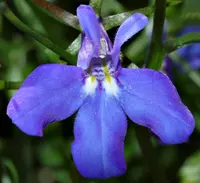
Trailing Lobelia
Lobelia erinus
With Botan, you don’t have to wonder, “What is the name of a white flower?” The app provides an easy-to-use tool for instant identification. Here’s how the tech behind it makes it happen:
Many processes happen behind the scenes, but for you, it takes just a few seconds to identify any species you see.
Even though Botan can correctly identify what flower is white with 98% accuracy, the process can be a challenging one. Many species look almost the same. Yet, the app does its magic by recognizing intricate elements of petal shape, leaf structure, and stem features.
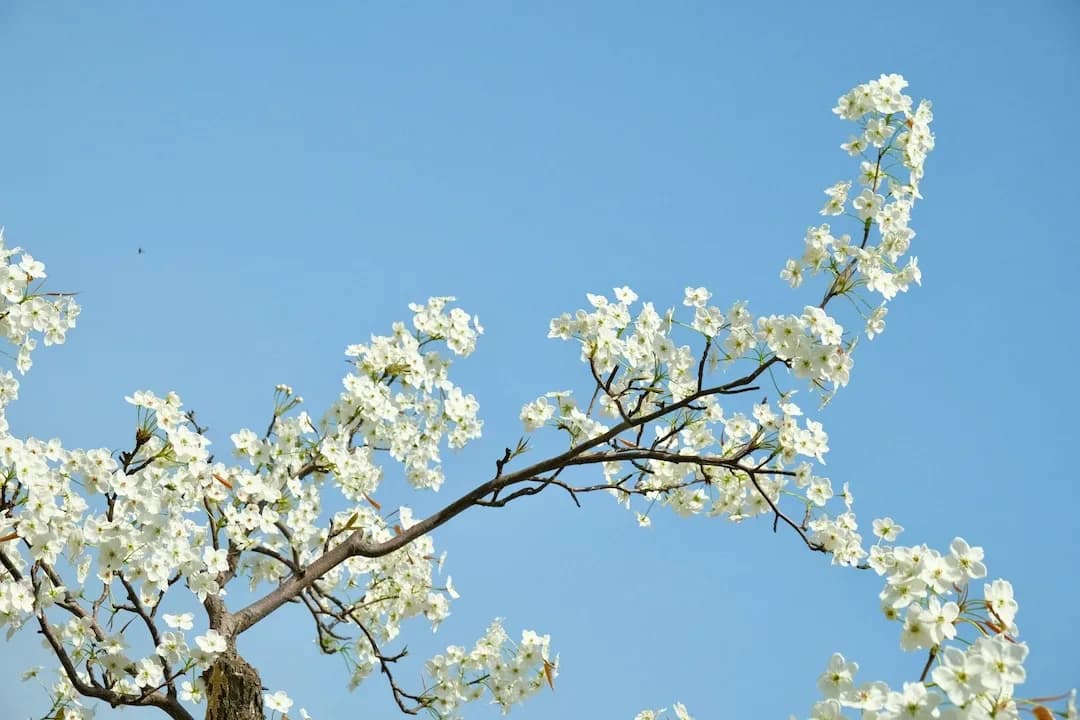
Petal structure is one of the core identifiers of the species ID. For an untrained eye, it might look all the same, but the system differentiates small distinctions and matches them to all existing types, which are the following:
Also, keep in mind that each petal type presents challenges in recognition throughout the blooming process, so a special tool is a handy resource.
Another important attribute of white flower identification is the stem type and structure. They enable faster, more accurate bloom recognition, as visually similar flowers can have different stems. Let’s explore the most common types and their differences.
A stem is a support structure and a transport system: it holds flowers in place while moving water, minerals, and sugars.
The leaves of the flower are another source of information for identification, helping confirm the results. They vary depending on their shape and size, and fall into such categories as:
Leaves might not be the first thing you notice about blooms, but they provide vital information. But keep in mind that there are 32 types of leaves, which can add an extra level of challenge to recognition.
Manual white flower identification is often more challenging than it seems. There are many color variations and shape nuances that even a professional eye can struggle with. But an AI-powered tool for photo identification simplifies, speeds up, and improves the accuracy of the process.
Feature | Manual Identification | Botan Identification |
Petal shape and count | Requires meticulous calculation and comparison to notice the difference | Automatic petal structure analysis with unlimited library comparison |
Flower shape | High risk of misinterpretation due to the similarity of many species | 98% accurate flower-shape recognition, connected to the world’s database, and double-checked by AI |
Leaves and plant structure | May be left without attention or misclassified | Always inspected and identified as a whole to match a specific plant type |
Time and effort | Takes longer without a guarantee of an accurate result | Instant answer after uploading a photo |
Yes. Botan is accurate for both types. Moreover, you can identify any plant you want, not only flowers.