Conifer Identification
Identify Conifers by Photo
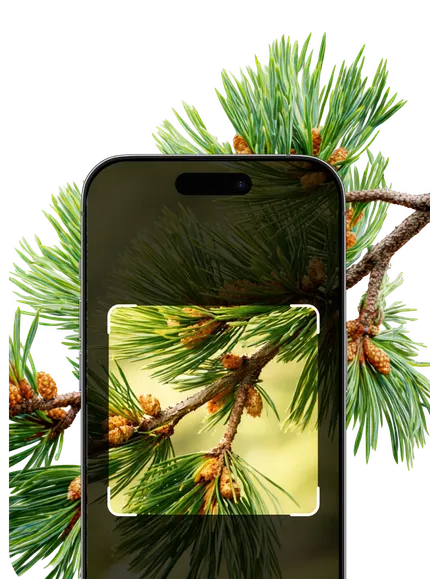
Photograph any conifer, and Botan will identify it using the needles, cones, and crown shape.


Identify Conifers by Photo
Photograph any conifer, and Botan will identify it using the needles, cones, and crown shape.


Plant Identifier Online for Free
Use easy-to-see images for the best plant ID results. Try not to take photos from very far away.
 POPULAR
Norfolk Island Pine
Araucaria heterophylla
Yew pine
Podocarpus macrophyllus
Maidenhair tree
Ginkgo biloba
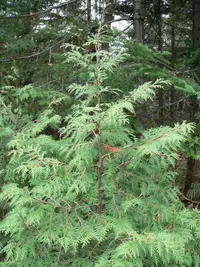
Arborvitae
Thuja occidentalis
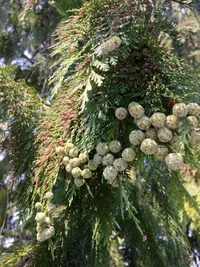
Port Orford cedar
Chamaecyparis lawsoniana
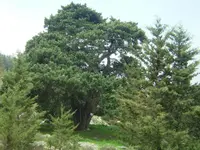
Italian Cypress
Cupressus sempervirens
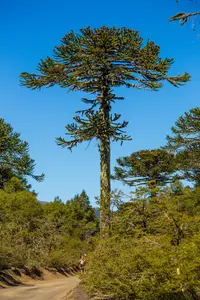
Monkey puzzle tree
Araucaria araucana

Japanese cedar
Cryptomeria japonica
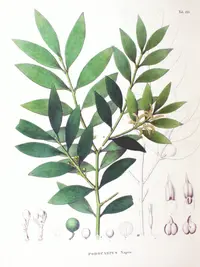
Asian bayberry
Nageia nagi
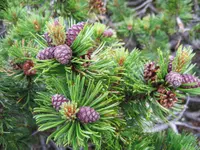
Mugo pine
Pinus mugo

Italian stone pine
Pinus pinea
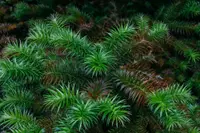
Koyamaki
Sciadopitys verticillata
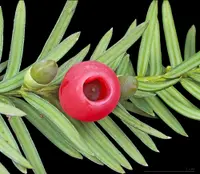
English yew
Taxus baccata
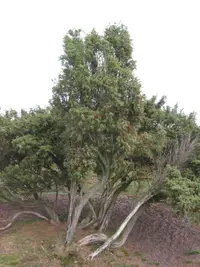
common juniper
Juniperus communis
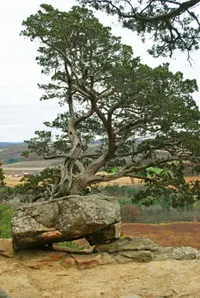
red cedar
Juniperus virginiana
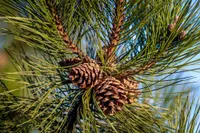
eastern white pine
Pinus strobus

Scots pine
Pinus sylvestris
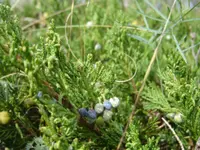
creeping juniper
Juniperus horizontalis

coast redwood
Sequoia sempervirens
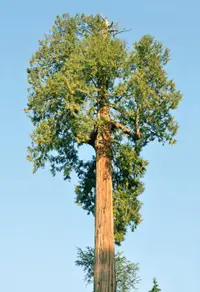
western redcedar
Thuja plicata

deodar cedar
Cedrus deodara

Chinese juniper
Juniperus chinensis
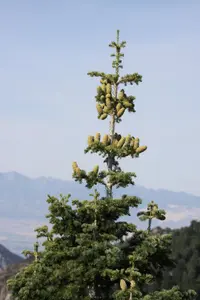
white fir
Abies concolor
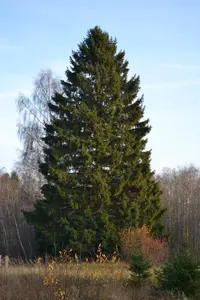
Norway spruce
Picea abies
How to identify conifer trees? The three most informative features are needle arrangement, cone structure, and bark texture. Each is explained in more detail below, and the table provides a quick reference before exploring the details.
What You See | Possible Conifer Types | Common Example |
Needles in bundles of 2–5 | Pine | |
Single flat needles, two white stripes beneath | Fir | |
Cones hanging downward from branches | Spruce | Norway Spruce, White Spruce |
Small, round, woody cones | Pine | |
Smooth grey bark with resin blisters | Fir | |
Deeply furrowed, scaly bark | Pine | Ponderosa pine, Scots pine |
Combining all these features makes it easier to distinguish between similar plants with confidence.
The way needles attach to the branch varies between plants, and this feature is usually the first step in any conifer identification chart. Examine the branch of the plant you are trying to identify, and you can quickly narrow down the species.
After this step, you can move on to the cone structure to refine the results.
Conifer cones identification is one of the key stages of visual tree analysis. Unlike needles, cones often stay on the branches or on the ground beneath the tree for months, giving you more time to observe them.
Modern recognition tools like Botan analyze cones alongside other key characteristics to improve identification accuracy.
This feature helps confirm or refine the results obtained from needle and cone analysis. In essence, it is the final stage of conifer tree identification. Conifer bark ranges from the smooth gray-green surface of young firs to the deeply furrowed dark bark of mature pines. All of these differences are stable enough for both manual diagnosis and automatic scanner analysis.
Bark texture becomes particularly valuable when conifer cone identification and needle analysis are not possible because the cones have fallen and the crown is too high for a detailed examination of the needles.
Botan simplifies conifer identification to three simple steps, so there’s no need to spend time studying comparison charts.
The scanner works fully automatically, with no manual input required.
Yes. A clear image of the needles is enough for identification. The app evaluates needle arrangement, shape, and any other features visible in the photo.