Koyamaki Care (Sciadopitys verticillata)

Also known as: Koyamaki, umbrella-pine, parasol pine
Koyamaki

About Koyamaki

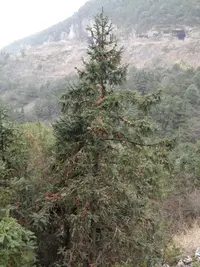
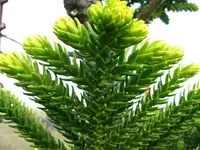
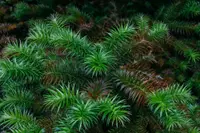
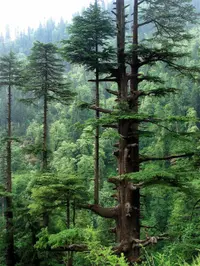
Koyamaki, or Sciadopitys verticillata, is an ancient conifer known as the Japanese umbrella pine. It is an evergreen tree with dense, whorled needle-like leaves that form distinctive umbrella-shaped clusters. Growth is slow and naturally upright, so it remains manageable for many years in gardens and larger containers. In nature, it occurs in cool, humid mountain forests of Japan. This origin makes it favor consistent moisture, cool roots, and slightly acidic, well-drained soil. Its slow growth and need for stable conditions mean it is not the easiest tree for beginners, but patient growers can successfully care for Koyamaki with attention to light, moisture, and protection from extreme heat or drought.

Main Plant Requirements

Care Difficulty

Hard Care

Light Preference

Partial Shade

Water Requirements

Regular Water

Temperature Preference

Cold Hardy

Hardiness Zone

5–8

Soil Texture

Loamy, Peaty, Organic-rich

Soil pH

Strongly acidic (4.5–5.5), Acidic (5.5–6.5)

Soil Drainage

Moist but well-drained

Fertilization

Minimal (feed rarely)

Get Personalized Care Plan

Scan your plant to receive care tips personalized for your specific plant

Available on iOS and Android

How to Care for the Koyamaki

This conifer prefers bright, gentle light that mimics cool, forest-like conditions.

  • Provide 4–6 hours of morning sun with light afternoon shade; dappled or filtered light suits Koyamaki best, especially in hotter regions.
  • Tolerates partial shade (bright shade most of the day), but very dense shade leads to sparse, elongated growth and thinner whorls of needles.
  • In hot summers, shield from intense sun between 12–4 pm to prevent needle scorch; in cooler climates, gradual spring exposure prevents late-winter sunburn.

This slow-growing conifer prefers evenly moist, cool soil that never stays waterlogged.

  • Before watering, let the top 3–5 cm of soil feel slightly dry, then water deeply so moisture reaches the full root zone, especially in the first 3–5 years after planting.
  • Use a well-drained, slightly acidic soil with organic matter; standing water, sour smell, or yellowing, dropping needles signal overwatering or poor drainage.
  • In summer drought, water when new needles lose some gloss or soil dries at 5–7 cm; reduce watering in cool, wet seasons while ensuring the root area does not fully dry out.

This species favors cool, stable conditions with moderate summers and cold but not extreme winters.

  • Best growth occurs around 60–75°F (16–24°C); consistent cool temperatures help maintain dense, healthy needle whorls.
  • Mature trees tolerate short drops near -10°F (-23°C) once established, but young plants benefit from protection when temperatures fall below 10°F (-12°C).
  • Handles summer warmth up to about 85–90°F (29–32°C) if soil stays evenly moist and roots are mulched; avoid hot, reflective sites that create heat stress and browning.

This conifer prefers moderate, steady humidity and dislikes air that is extremely dry or fluctuating.

  • Aim for 40–60% humidity, which suits both outdoor plantings in many regions and sheltered patio containers.
  • Tolerates occasional drier air but prolonged very low humidity causes browning needle tips and premature needle drop.
  • In dry climates, raise humidity with nearby ground-cover planting, mulch over the root zone, or grouping containers to reduce moisture loss.

This species needs consistently moist, well-aerated, acidic soil that never becomes waterlogged or compacted.

  • Use a deep, loamy mix rich in organic matter, combining garden loam with pine bark fines and leaf mold or compost for structure.
  • Ensure fast drainage by incorporating coarse sand or small pumice so water moves through but soil still holds even moisture.
  • Keep pH slightly acidic, ideally around 5.0–6.0, avoiding lime or alkaline amendments that interfere with nutrient uptake.
  • For Sciadopitys verticillata in large planters, layer coarse bark or gravel at the bottom only if it does not reduce total root volume.

This slow-growing tree can be grown in containers for many years if the pot supports its deep root system and eventual height.

  • Choose a tall, heavy container that resists tipping as the plant becomes taller and more top-heavy over time.
  • Use a pot material with some weight, such as ceramic or thick-walled plastic, to balance the flexible yet upright canopy in strong winds.
  • Select a container with ample surface area so the upper root zone can stay evenly moist without rapid edge drying.

This slow-growing conifer needs only modest feeding for healthy growth in most garden soils.

  • Use a balanced slow-release fertilizer (around 10-10-10) or well-rotted compost on established Koyamaki in early spring.
  • Apply a light dose once per year during the growing season; avoid multiple applications.
  • Reduce or skip feeding in fall and winter when growth slows or stops.
  • If using liquid fertilizer on container plants, dilute to 1/2 strength to prevent root burn.

Sciadopitys verticillata needs minimal pruning and responds best to light, careful cuts.

  • Schedule any pruning for late winter or very early spring before new growth starts.
  • Remove only dead, diseased, or storm-damaged branches, plus any crossing or severely crowded shoots.
  • Avoid cutting the central leader to maintain natural pyramidal form and balanced growth.
  • Use clean, sharp bypass pruners or a pruning saw and make cuts just outside the branch collar.

This species is slow-growing and dislikes frequent disturbance, so transplant with care and only when needed.

  • Look for roots circling the container drainage holes, soil drying very quickly, or noticeably stalled growth as signals to move up a size.
  • Plan repotting or landscape transplanting for early spring, just before active growth, to support faster recovery.
  • Expect container plants to need repotting about every 4–5 years; choose a slightly larger pot with excellent drainage.
  • Handle the root ball gently, loosening only the outer roots, water deeply afterward, and shade from strong sun for 1–2 weeks to reduce stress.

Propagation of this species is slow and technically challenging, so it is not often attempted by home growers.

  • Seed propagation is most common; seeds benefit from cold stratification, a moist chill period of 2–3 months, before sowing.
  • Sow seeds in spring in a free-draining, slightly acidic mix and keep evenly moist at 60–70°F under bright, indirect light.
  • Semi-ripe cuttings taken in late summer can root, but success rates are low and rooting may take many months.
  • Maintain high humidity, very sharp drainage, and avoid overwatering to limit rot during the long establishment period.

This conifer is generally cold hardy in much of the US but appreciates some winter root-zone protection, especially when young.

  • Mature in-ground plants tolerate typical winters in USDA zones 5–7 once established.
  • Apply a 5–8 cm layer of mulch around the root zone in late fall, keeping it slightly away from the trunk.
  • For containers, move pots into a sheltered, unheated area and insulate the container to prevent root freezing.

Care Tips

Shelter From Wind

Site the tree where it is protected from strong, drying winds or provide a windbreak, since flexible but shallow-rooted young plants can suffer needle scorch and root rock in exposed positions.

Mulch Root Zone

Apply a 5–8 cm layer of fine bark mulch over the root area, keeping it 5–8 cm away from the trunk, to stabilize soil moisture and temperature and to encourage the fibrous feeder roots that support healthy growth.

Gentle Root Disturbance

When transplanting container-grown plants, loosen only the outer 1–2 cm of the rootball instead of fully teasing it apart, because this species dislikes root disturbance and responds better to minimal handling.

Avoid Soil Compaction

Keep foot traffic, heavy pots, and equipment away from the drip line so the shallow, wide-spreading roots are not compacted, which would reduce aeration and slow growth.

Slow Establishment Expectation

Plan long term when growing Koyamaki by limiting other large shrubs or trees nearby during the first 5–7 years, giving the tree full access to light, moisture, and root space while it establishes slowly.

Common Pests and Diseases

Needle blight

This disease causes inner or lower whorls of needles to yellow, brown, and drop prematurely, often leaving bare sections along older branches. Symptoms include thinning foliage and a sparse, see-through canopy.

Solution

Prune out and discard affected shoots, focusing on dead or heavily thinned branches, and disinfect tools between cuts. Improve air circulation by spacing plants correctly, avoid overhead watering, and use a registered ornamental conifer fungicide as a preventative spray during wet periods if needle blight recurs.

Needle cast

This disease leads to spotting and browning of needles followed by needle drop from the inside of the canopy outward, often leaving green tips with bare interior stems. Symptoms include fine black fruiting bodies on dead needles in advanced cases.

Solution

Collect and remove fallen needles from around the base to reduce fungal spores, and avoid prolonged leaf wetness by watering at soil level. In landscapes with a history of needle cast, apply a labeled conifer fungicide in spring as new needles expand, repeating as directed during cool, wet weather to protect new growth.

Scale insects

These insects attach along stems and needle bases, appearing as small, rounded or oval bumps that excrete sticky honeydew. This pest can cause yellowing, reduced vigor, and sooty mold growth on surfaces beneath the plant.

Solution

Prune out heavily infested twigs and dispose of them, then wash remaining stems with a strong but controlled spray of water to dislodge crawlers. For persistent infestations, use horticultural oil or an insecticidal soap labeled for conifers, applied thoroughly to stems and needle bases during the crawler stage.

Spider mites

These pests feed on needles, causing fine stippling, dulling, and eventual bronzing of foliage, often starting on the sunniest or driest side of the plant. This pest can produce fine webbing deep in the canopy when populations are high.

Solution

Rinse foliage thoroughly with water, including the interior canopy, 1–2 times per week to knock down mite numbers and increase humidity around the plant. If damage continues, apply a miticide or insecticidal soap labeled for conifers, ensuring good coverage on the undersides and inner portions of the foliage.

Phytophthora root and collar rot

This disease affects plants in poorly drained or waterlogged soil, causing gradual decline, sparse new growth, and foliage yellowing or bronzing from the bottom up. Symptoms include dark, discolored tissue at the root collar and poor root development.

Solution

Remove and discard severely affected plants and avoid replanting Koyamaki in the same poorly drained spot. For mild cases or prevention, improve drainage, raise the planting area, water deeply but infrequently, and consider using a phosphite-based fungicide drench as part of broader Sciadopitys verticillata care in sites with known Phytophthora issues.

Interesting Facts

Living fossil conifer

This species is the only surviving member of its entire family, Sciadopityaceae, with fossil relatives known from the Late Cretaceous, so it represents a very ancient conifer lineage that outlived many related groups.

Unique umbrella needles

What look like single needles are actually two fused, flattened leaves arranged in whorls that form an umbrella-like shape around each shoot, a leaf structure not seen in other modern conifers.

Slow but long-lived

Trees grow slowly, especially when young, but can live for several centuries in favorable conditions, forming dense, dark green crowns that remain attractive through all seasons.

Botan icon

Did you know?

In parts of Japan, this tree is planted at Shinto shrines and temples, where its long life, straight trunk, and evergreen foliage have given it symbolic value as a marker of endurance and spiritual protection for many generations.

FAQs about Koyamaki

This species grows slowly, often only 10–20 cm per year in garden conditions. It takes many years to form a noticeable trunk, which is important to understand when planning long-term placement and expectations.

Grow Healthy Plants with Botan Care

Keep your plants happy and healthy with plant identification, disease detection, and easy care guidance.

Botan plant care app — identify plants on mobile

Explore More Plants