Develop a single leader
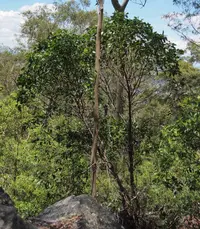
During the first 3–5 years, select the strongest upright stem as the central leader and remove or shorten competing uprights in late winter to build a stable, storm‑resistant canopy.

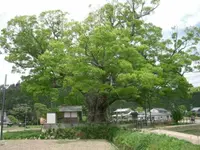
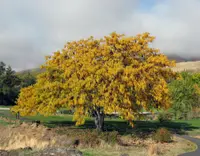
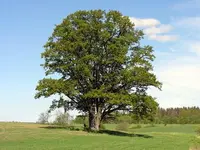
Japanese zelkova (Zelkova serrata) is a medium to large deciduous tree valued for its graceful form and fine-textured foliage. It is often grown as a shade or street tree because of its upright, vase-shaped crown and attractive, peeling bark that develops with age.
This species is native to Japan, Korea, and parts of China, where it grows in temperate woodlands and river valleys. It adapts well to urban conditions, showing good tolerance to air pollution and pruning, which makes it relatively easy to manage.
Good health and structure depend on adequate light, evenly moist but well-drained soil, and protection from severe drought in the early years, which helps simplify how to care for Japanese zelkova.

Care Difficulty
Moderate Care

Light Preference
Full Sun

Water Requirements
Moderate Water

Temperature Preference
Cold Hardy

Hardiness Zone
5–8

Soil Texture
Loamy, Sandy, Clay

Soil pH
Acidic (5.5–6.5), Slightly acidic (6.5–7.0)

Soil Drainage
Moist but well-drained

Fertilization
Minimal (feed rarely)
Scan your plant to receive care tips personalized for your specific plant
Available on iOS and Android
This deciduous tree prefers full sun but accepts light shade in hotter regions.
This species prefers evenly moist, well-drained soil once established in the landscape.
This hardy tree tolerates a wide temperature range when planted in the ground.
This species tolerates a wide humidity range and usually does not need special humidity management outdoors.
Zelkova serrata grows best in deep, moist, well-drained loam with stable structure.
This tree can be grown in large containers for a limited time, mainly when young.
This species benefits from light, balanced feeding but grows acceptably in average garden soil without heavy inputs.
Thoughtful pruning keeps Zelkova serrata structurally sound and enhances its natural vase-shaped form.
Most plants are grown in the ground, so focus on careful transplanting rather than frequent repotting.
Propagation of Zelkova serrata is possible but usually done by nurseries rather than home growers.
Mature trees are quite cold hardy and usually need minimal winter care in the ground.

Plant Health Check
Not sure what's wrong with your plant? Check your plant's health inside the app.
This species is notably resistant to Dutch elm disease and many elm leaf beetles, which led to its use as a replacement for elms in streetscapes and parks in many temperate cities.
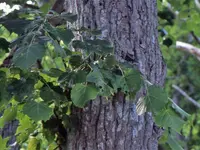
Mature trees develop smooth gray bark that gradually exfoliates in thin scales or patches, revealing orange-brown inner bark and creating a mottled, patterned trunk that is valued in landscape design.
Its many slender twigs and small serrated leaves create a dense, fine-textured crown that casts light, dappled shade rather than deep, heavy shadow, making it suitable near buildings and pedestrian areas.

In traditional Japanese landscape design, this tree has long been used for bonsai and for shaping as a street and courtyard tree, because it responds well to pruning and can develop very refined branch structure over decades.
This species has a moderate growth rate, usually adding 30–60 cm of height per year in suitable conditions. Growth is faster in deep, moist, well-structured soil and slows in compacted or very dry sites.
Keep your plants happy and healthy with plant identification, disease detection, and easy care guidance.