coast redwood Care (Sequoia sempervirens)

Also known as: Coast Redwood, California Redwood
coast redwood

About coast redwood

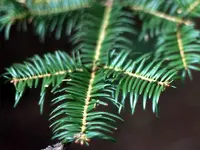
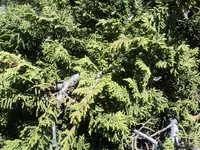
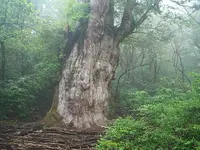
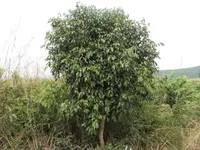
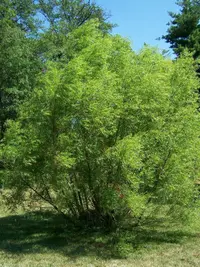
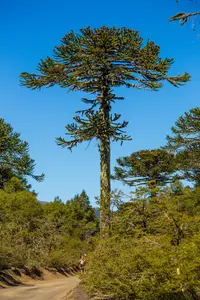
The coast redwood is a long-lived coniferous tree known for forming very tall, straight trunks with narrow, conical crowns in youth that broaden with age. Its evergreen, needle-like foliage forms flattened sprays, giving the tree a soft, feathery look at a distance.

Sequoia sempervirens is native to the foggy coastal belt of northern California and southern Oregon, where it forms dense, moisture-loving forests. It prefers cool, humid conditions, deep soils, and consistent moisture, which can make how to care for coast redwood challenging in hot, dry, or compacted urban sites.

In suitable climates and space, it is relatively resilient once established, with good disease resistance and strong regrowth from dormant buds after damage.

Main Plant Requirements

Care Difficulty

Hard Care

Light Preference

Full Sun

Water Requirements

Keep Soil Moist

Temperature Preference

Cool Climate

Hardiness Zone

7–9

Soil Texture

Loamy, Silty, Organic-rich

Soil pH

Strongly acidic (4.5–5.5), Acidic (5.5–6.5)

Soil Drainage

Moist but well-drained

Fertilization

Minimal (feed rarely)

Get Personalized Care Plan

Scan your plant to receive care tips personalized for your specific plant

Available on iOS and Android

How to Care for the coast redwood

This species thrives in bright outdoor conditions that mimic cool, moist coastal forests.

  • Provide 6–8 hours of sun with at least 3–4 hours of direct morning sun; light afternoon shade helps prevent foliage scorch in hot inland sites.
  • Young coast redwood trees tolerate partial shade, especially in the first 3–5 years, but long-term deep shade causes sparse, weak growth.
  • Avoid intense, all-day summer sun in hot climates; combine dappled canopy shade and open sky for strong light without extreme leaf heating.

This tree prefers consistently moist but not waterlogged soil, especially during establishment.

  • Water when the top 3–5 cm of soil feels slightly dry, then irrigate deeply so moisture reaches 20–30 cm; avoid shallow, frequent sprinkling.
  • During the first 2–3 growing seasons, increase watering in hot, dry or windy weather and reduce once autumn rains begin and growth slows.
  • Yellowing, limp foliage and a sour smell from the soil suggest overwatering and poor drainage, while browning tips and dry, crispy needles indicate underwatering.

This species is adapted to mild, coastal-type climates with cool summers and wet, frost-tolerant winters.

  • Ideal growth occurs around 50–75°F (10–24°C), with steady moisture and good air movement supporting healthy shoots and needles.
  • Mature trees tolerate winter lows near 10–15°F (-12 to -9°C), but young plants benefit from protection against sudden hard freezes and drying winds.
  • Prolonged heat above 90°F (32°C), especially with low humidity, can stress foliage; provide mulch and sufficient water during hot, dry periods to limit temperature swings.

Young container-grown Sequoia sempervirens benefits from moderate, consistent humidity rather than very dry air.

  • Aim for 40–60% humidity, as very dry heated indoor air slows growth and browns needle tips.
  • Watch for browning or curling of outer foliage and faster needle drop as signs of low-humidity stress.
  • Increase humidity with grouped plants, a nearby humidifier, or an outdoor, sheltered placement away from drying winds.

Sequoia sempervirens prefers deep, moist, well-aerated soil with steady drainage.

  • Use a loamy mix with high organic matter, such as 50–60% composted bark or leaf mold blended with garden loam and sharp sand.
  • Ensure drainage is steady, not fast; soil should drain within a few minutes but stay slightly damp rather than drying out hard.
  • Keep pH slightly acidic to neutral, around 5.5–7.0, avoiding strongly alkaline conditions that limit nutrient uptake and cause chlorosis.
  • Improve aeration and structure by adding fine bark and a small amount of perlite, and avoid compacted clay or heavy peat-only mixes.

This species can be grown in containers for a limited time, mainly while young.

  • Choose a tall, heavy container that resists tipping as the tree becomes top-heavy in wind or when wet.
  • Select a pot volume that allows a deep, wide root zone so the root ball does not circle tightly and destabilize the plant.
  • Ensure large, unobstructed drainage holes so water exits rapidly, preventing waterlogging that encourages root rot in dense root systems.

This coastal conifer grows well in reasonably fertile soil and usually needs only light supplemental feeding in cultivation.

  • Apply a balanced slow-release fertilizer (such as 10-10-10) at half strength once in early spring for young or container-grown coast redwood.
  • Use a thin layer of compost over the root zone yearly to support soil structure and steady nutrient availability.
  • Avoid midsummer overfeeding, which can cause weak, lush growth and increase drought stress.
  • Do not apply fertilizer in late fall or winter, when growth is minimal and nutrients are less effectively used.

Pruning Sequoia sempervirens is usually minimal and focuses on safety and plant health rather than shaping.

  • Carry out any structural or corrective pruning in late winter to early spring before vigorous new growth starts.
  • Remove dead, diseased, crossing, or storm-damaged branches with clean, sharp bypass pruners or a pruning saw.
  • Limit green branch removal to lower or congested areas, since heavy crown thinning can weaken the tree and alter its natural form.
  • Avoid cutting into the central leader; maintaining a single main stem supports stable, upright growth.

This species is best grown in the ground; transplanting young Sequoia sempervirens carefully is more important than frequent repotting.

  • Look for circling roots at drainage holes, slowed growth, or the need for very frequent watering as signs a container plant needs a larger root space.
  • Transplant in late winter to early spring, choosing a cool, overcast day to reduce moisture loss and stress.
  • Move up only 1–2 pot sizes or plant into a prepared ground site with deep, moist, well-drained soil and ample space.
  • Water thoroughly before and after transplanting, keep the root ball intact, and apply mulch to moderate soil moisture and temperature swings.

New Sequoia sempervirens plants are produced mainly from seed and semi-hardwood cuttings under controlled conditions.

  • Collect ripe cones in late summer to fall, extract seeds, and stratify them in moist medium at 34–41°F for 30–60 days to break dormancy.
  • Sow seeds on a well-draining, sterile mix, keep lightly covered, and maintain cool, bright conditions with consistent moisture.
  • Take semi-hardwood cuttings from juvenile shoots in late spring to summer, treating bases with rooting hormone to improve success.
  • Place cuttings in a high-humidity environment with bottom warmth and bright, indirect light, and avoid waterlogging the medium.

Mature Sequoia sempervirens is cold hardy in mild-winter climates and usually requires little special winter care.

  • Young or marginal-climate trees benefit from 5–8 cm of mulch over the root zone, kept slightly away from the trunk.
  • Ensure soil drains well, since saturated, cold soil increases root stress and disease risk.
  • For container plants in colder regions, move pots to a sheltered, unheated but frost-moderated location for winter.

Care Tips

Root-zone protection

Lay a wide ring of coarse bark mulch 5–10 cm deep around the tree, keeping it 10–15 cm away from the trunk, to buffer root temperatures and reduce soil compaction from foot traffic.


Wind and lean management

Install sturdy, low, flexible staking only on young, wind-exposed trees and adjust or remove it within 1–2 years, correcting lean gradually rather than forcing the trunk upright in a single season.

Trunk flare preservation

Keep soil and mulch pulled back so the natural trunk flare at the base remains visible, which reduces risk of rot and allows the main buttress roots to develop strong structural support.

Irrigation basin design

For young trees, form a broad, shallow basin extending at least to the dripline to hold irrigation water, and gradually flatten it over several years as roots spread and the tree becomes established.

Long-term spacing planning

When planning or caring for coast redwood in landscapes or shelterbelts, allow generous spacing from buildings, utilities, and other trees to accommodate the very large mature root and canopy spread and reduce future conflict or removal needs.

Common Pests and Diseases

Coryneum canker

This disease causes sunken, resin-soaked cankers on branches and stems, often leading to dieback of affected shoots. Symptoms include oozing pitch, discolored bark, and gradual decline of individual limbs.

Solution

Prune out infected branches 15–20 cm below visible cankers during dry weather, and disinfect pruning tools between cuts. Reduce stress by providing consistent moisture, avoiding mechanical injury to the bark, and improving airflow so foliage dries quickly, which supports overall Sequoia sempervirens care instructions in landscape settings.

Botryosphaeria canker

This disease produces elongated, dark cankers on branches and sometimes the trunk, often accompanied by resin bleeding and sudden flagging of individual branches. Symptoms include dead branch tips and sections of crown that thin or turn brown while the rest of the tree appears healthy.

Solution

Remove and dispose of affected branches well below the canker margin and avoid pruning during wet conditions. Limit drought and heat stress with deep, infrequent watering, maintain a mulch layer over the root zone without touching the trunk, and prevent bark wounds that provide entry points for the pathogen.

Needle blight

This disease leads to browning and shedding of older inner needles, giving the foliage a thinned, scorched appearance from the inside of the crown outward. Symptoms include banding or spotting on needles and premature needle drop, especially under humid, poorly ventilated conditions.

Solution

Improve air circulation by thinning crowded branches and nearby vegetation so foliage dries faster after rain or irrigation. Rake up and dispose of fallen needles, avoid overhead watering, and if the problem is persistent, consult a local arborist about targeted fungicide applications timed to new needle growth.

Redwood bark beetle

This pest bores into stressed or weakened trees, creating galleries under the bark and introducing staining fungi. Symptoms include fine boring dust at the base or in bark crevices, pitch tubes, and sections of crown that turn dull green then reddish brown.

Solution

Focus on prevention by keeping trees vigorous with appropriate watering during drought, mulching, and avoiding trunk injuries from equipment. Remove and properly dispose of heavily infested or dead material to reduce beetle breeding sites, and seek professional guidance on pheromone traps or trunk-protective treatments in high-risk areas.

Redwood aphid

These insects feed on sap from young shoots and foliage, causing distorted or stunted new growth and sticky honeydew deposits. Symptoms include sooty mold growing on honeydew and increased activity of ants tending the aphids on twigs and branch tips.

Solution

Rinse affected foliage with a strong but controlled stream of water to knock aphids off, and repeat as needed. Encourage natural predators such as lady beetles, manage ant populations that protect aphids, and, for persistent infestations on small trees, use insecticidal soap or horticultural oil according to label directions, applied thoroughly to new growth.

Interesting Facts

Fog-dependent water uptake

The coast redwood canopy can absorb moisture directly from fog through its leaves and bark, a process called foliar uptake, which helps hydrate the tree and the soil below during dry summer periods in coastal California and Oregon.

Clonal ring formation

When a mature coast redwood is damaged or dies, new trunks often sprout from its living root system, sometimes forming circular clusters known as fairy rings that are genetically identical to the original tree.

Fire-resistant bark

Coast redwoods have thick, fibrous bark low in resin and high in tannins, which provides notable resistance to both fire and many insects, allowing mature trees to survive repeated low- to moderate-intensity fires.

Botan icon

Did you know?

Coast redwoods are among the tallest known living organisms on Earth, with some individuals in protected old-growth forests exceeding 115 m (over 375 ft) in height, supported by specialized wood anatomy and a highly efficient water-transport system that operates near the physical limits of how high water can be pulled in a tree.

FAQs about coast redwood

Browning foliage often results from drought stress, compacted or shallow soil, high heat, or excess fertilizer salts. Check soil moisture at root depth, improve mulching, reduce fertilizer, and protect young trees from reflected heat and harsh drying winds.

Grow Healthy Plants with Botan Care

Keep your plants happy and healthy with plant identification, disease detection, and easy care guidance.

Botan plant care app — identify plants on mobile

Explore More Plants