Silver Fir Care (Abies alba)

Also known as: common silver fir, European silver fir
Silver Fir

About Silver Fir

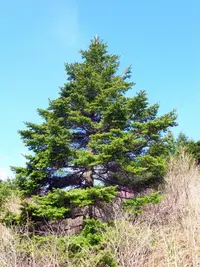
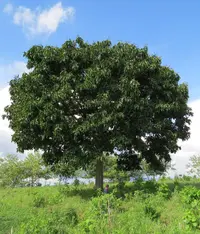
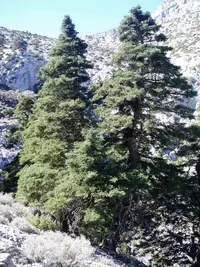
Silver fir, Abies alba, is a long-lived evergreen conifer that forms a tall, straight trunk with layered horizontal branches and soft, flattened needles. Its neat, symmetrical shape and glossy dark green foliage make it a classic choice for large gardens, parks, and naturalistic plantings in cool, temperate climates.

This species is native to mountainous regions of central and southern Europe, where it grows in moist, cool forests on well-drained, often acidic soils. It can be slow to establish and needs shelter from very harsh urban or coastal conditions, so learning how to care for Silver Fir helps improve long-term success.

Main Plant Requirements

Care Difficulty

Moderate Care

Light Preference

Full Sun

Water Requirements

Moderate Water

Temperature Preference

Cold Hardy

Hardiness Zone

4–7

Soil Texture

Loamy, Sandy, Organic-rich

Soil pH

Acidic (5.5–6.5), Slightly acidic (6.5–7.0)

Soil Drainage

Moist but well-drained

Fertilization

Minimal (feed rarely)

Get Personalized Care Plan

Scan your plant to receive care tips personalized for your specific plant

Available on iOS and Android

How to Care for the Silver Fir

This conifer prefers cool sites with consistent light but is sensitive to intense heat and drought.

  • Provide 4–6 hours of direct morning sun with light afternoon shade; young Silver Fir benefit from protection from harsh mid-day summer sun.
  • Tolerates partial shade, especially in warmer regions, but dense shade produces sparse growth and thin crowns over time.
  • Avoid exposed, south-facing slopes in hot climates; combine filtered light with moist, deep soil to reduce needle scorch and stress during dry, bright periods.

This species prefers evenly moist, cool soil and does not tolerate prolonged drought or standing water.

  • Water when the top 3–5 cm of soil feels barely moist, then soak deeply so moisture reaches 20–30 cm, especially during the first 3–5 years after planting.
  • Ensure free-draining, slightly acidic soil; avoid compacted or waterlogged sites, as persistent sogginess leads to root rot and yellowing needles.
  • In summer dry spells, watch for drooping, dull needles as a sign Abies alba needs water; brown needle tips or algae on soil usually indicate excess moisture.

This cold-hardy conifer thrives in cool to cold climates with moderate summers.

  • Optimal growing temperatures are about 50–70°F (10–21°C), with best vigor in regions that rarely exceed 80°F (27°C) for long periods.
  • Fully hardy in winter down to about -20°F (-29°C) once established, tolerating deep frost and snow cover typical of mountain and northern climates.
  • Poorly adapted to hot, dry sites; repeated exposure above 86°F (30°C) with low humidity increases stress, so choose cooler microclimates and avoid reflective heat sources.

This conifer prefers cool, moderately moist air but generally adapts to outdoor humidity in temperate climates.

  • Target ambient humidity around 40–60% when grown in sheltered or courtyard settings to reduce needle desiccation.
  • It tolerates short periods of drier air, but prolonged hot, very dry winds can cause browning at needle tips on Silver Fir.
  • Watch for crisp, yellowing needle tips and premature needle drop as signs of humidity stress in exposed, windy sites.
  • Increase effective humidity by using windbreaks, mulching the root zone, and avoiding reflected heat from walls or pavement.

Abies alba prefers deep, cool, moist but freely draining mineral soil with ample organic matter.

  • Use a loamy soil that holds moisture yet drains well, such as a mix of native loam with 20–30% composted bark or leaf mold.
  • Ensure drainage is steady, not waterlogged; avoid compacted clay where water stands after rain, which encourages root rot.
  • Aim for slightly acidic to neutral pH, roughly pH 5.5–7.0, and avoid strongly alkaline, chalky sites that limit nutrient uptake.
  • Improve aeration and drainage by incorporating coarse sand or fine gravel into heavy soil and keeping a thick, airy mulch above the root zone.

This species is only suitable for containers when kept as a temporary young specimen or dwarf selection outdoors.

  • Choose a tall, heavy container that resists tipping and allows a deep root run to stabilize the gradually top-heavy tree.
  • Use a mineral-based, slightly gritty mix to prevent chronic wetness that can cause fine root dieback in confined space.
  • Position the container where wind exposure is reduced, since restricted roots anchor poorly and the whole unit can shift or lean.

Abies alba grows best in moderately fertile, well-drained soil and usually needs only light feeding once established.

  • In the ground, use a thin layer of compost over the root zone in early spring instead of heavy synthetic feeding.
  • For young or container-grown Silver Fir, apply a balanced slow-release fertilizer (around 10-10-10) once in spring.
  • Use at most half-strength compared with label rates to prevent excessive, weak growth.
  • Do not feed in late fall or winter, when the tree is dormant and nutrient demand is low.

Abies alba requires minimal pruning and is usually shaped naturally without heavy intervention.

  • Carry out any pruning in late winter or very early spring, before new growth starts.
  • Remove only dead, diseased, rubbing, or storm-damaged branches using clean, sharp bypass pruners or a pruning saw.
  • Avoid cutting the central leader; preserving it maintains the classic conical form and stable structure.
  • Limit green-needle removal to small cuts back to a side branch to prevent stress and bare patches.

Silver fir is rarely kept long-term in containers, so care focuses on correct outdoor transplanting.

  • Transplant young Abies alba in early spring or early fall when soil is moist and temperatures are mild.
  • Look for circling roots, distorted rootballs, or stalled growth in containers as signs the tree is ready for planting out.
  • Loosen or tease apart circling roots gently, trim damaged roots, then set the tree at the same soil depth in a wide hole.
  • Water deeply after planting, mulch 5–8 cm around (not against) the trunk, and keep soil evenly moist to reduce transplant shock.

Propagation of Abies alba is mainly done from seed and is slow, so it is more common in nursery production than in home gardens.

  • Collect ripe cones in late summer to early fall, then dry and extract seeds.
  • Provide cold stratification at about 35–40°F for 6–8 weeks to break seed dormancy.
  • Sow in a free-draining, slightly acidic medium, keeping it just moist in a cool, bright place.
  • Expect slow, uneven germination and grow seedlings on in containers for several years before planting out.

Abies alba is cold hardy in much of its range and generally needs little special winter care once established.

  • Young trees benefit from 5–8 cm of mulch over the root zone to moderate soil temperature and moisture swings.
  • In windy or exposed sites, use a breathable barrier to reduce drying winds on foliage.
  • Container-grown plants should overwinter in a sheltered, unheated but frost-free or slightly protected location to prevent root damage.

Care Tips

Shelter From Wind

Site young trees where they have protection from prevailing winds or install temporary windbreak netting for the first 3–5 years to reduce leader breakage and winter desiccation.

Maintain Single Leader

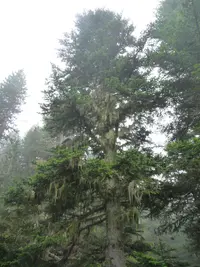
Inspect the top of the tree each spring and, if storm damage or double leaders appear, select the straightest vertical shoot as the main leader and carefully prune or stake away competing shoots to preserve a strong central trunk.

Mulch Root Zone

Apply a 5–8 cm layer of wood chips or bark over the root zone, keeping mulch 5–8 cm away from the trunk, to stabilize soil moisture, moderate temperature, and protect shallow feeder roots from mechanical damage.

Prevent Soil Compaction

Keep foot traffic, heavy pots, and equipment away from the root zone, and in high-use areas lay down stepping stones or a path so the soil around the tree stays aerated and better supports long-term health when growing Silver Fir.

Monitor Needle Health

Check needles and shoots a few times per season for yellowing bands, resin spots, or distorted growth, and remove and dispose of affected material promptly while adjusting irrigation or consulting a local extension service if symptoms spread.

Common Pests and Diseases

Silver fir aphid

This pest feeds on needles and young shoots, causing yellowing, distortion, and sticky honeydew that can lead to sooty mold growth.

Solution

Monitor undersides of needles and young shoots, then prune and destroy heavily infested twigs. For light infestations, wash foliage with a strong but controlled jet of water; for persistent problems, use horticultural soap or a labeled systemic insecticide, and avoid excess nitrogen fertilization that encourages soft, aphid-susceptible growth.

Silver fir woolly adelgid

This pest forms white, cottony masses at the base of needles and on shoots, causing needle yellowing, premature drop, and general decline in vigor.

Solution

Inspect branches in late winter and early spring and prune out localized colonies. For larger trees, use horticultural oil during the dormant or early spring period to smother adelgids, and maintain tree health through proper watering and mulching to improve natural resistance.

Fir needle cast

This disease causes browning bands on needles, followed by premature needle drop that thins the canopy from the inside out.

Solution

Remove and dispose of fallen needles to reduce fungal spores, and improve air circulation by avoiding crowded planting and reducing lower branch density where practical. In sites with a history of needle cast, a registered preventive fungicide can be applied in spring as new needles emerge, following label directions carefully.

Silver fir canker

This disease produces sunken, resinous lesions on branches or trunk, which can girdle affected parts and cause dieback of shoots or entire limbs.

Solution

Prune out infected branches several inches below visible cankers during dry weather, disinfecting tools between cuts. Reduce plant stress through correct watering and spacing, and avoid bark injury; severely affected trees may need assessment and potential removal by an arborist to prevent spread to nearby firs.

Bark beetles

These insects bore into stressed or weakened trees, leaving small entry holes, sawdust-like frass, and often causing fading foliage and sudden decline.

Solution

Focus on prevention by avoiding drought stress, soil compaction, and mechanical damage to roots and trunk, since healthy trees are less attractive to beetles. In areas with known bark beetle pressure, consult a certified arborist about timing and suitability of preventive trunk sprays; heavily infested trees are usually best removed to protect nearby firs and to support responsible Abies alba care.

Interesting Facts

Distinct two-tone needles

This species has flat needles that are glossy dark green on top but show two bright white stomatal bands on the underside, giving branches a subtle silvery look when they move in the wind.

Mountain cloud specialist

It naturally dominates cool, humid mountain forests of central and southern Europe, where frequent fog and high rainfall support its shallow but wide-spreading root system.

Key role in European forestry

This fir has long been an important timber tree in Europe due to its straight, knot-poor trunk and relatively light but strong wood, used for construction, furniture, and soundboards in some musical instruments.

Botan icon

Did you know?

Individual silver firs can reach ages of more than 400 years, making old-growth stands important long-term archives for climate research through the analysis of their annual growth rings.

FAQs about Silver Fir

Growth is slow to moderate. Young trees often add 20–30 cm per year, sometimes less in dry or compacted sites. In favorable cool, moist conditions, older specimens may reach 40–50 cm annual growth for limited periods.

Grow Healthy Plants with Botan Care

Keep your plants happy and healthy with plant identification, disease detection, and easy care guidance.

Botan plant care app — identify plants on mobile

Explore More Plants